Varazdat
Olympic Champion
Arsacid Dynasty — 374–378 AD
Arsacid Dynasty
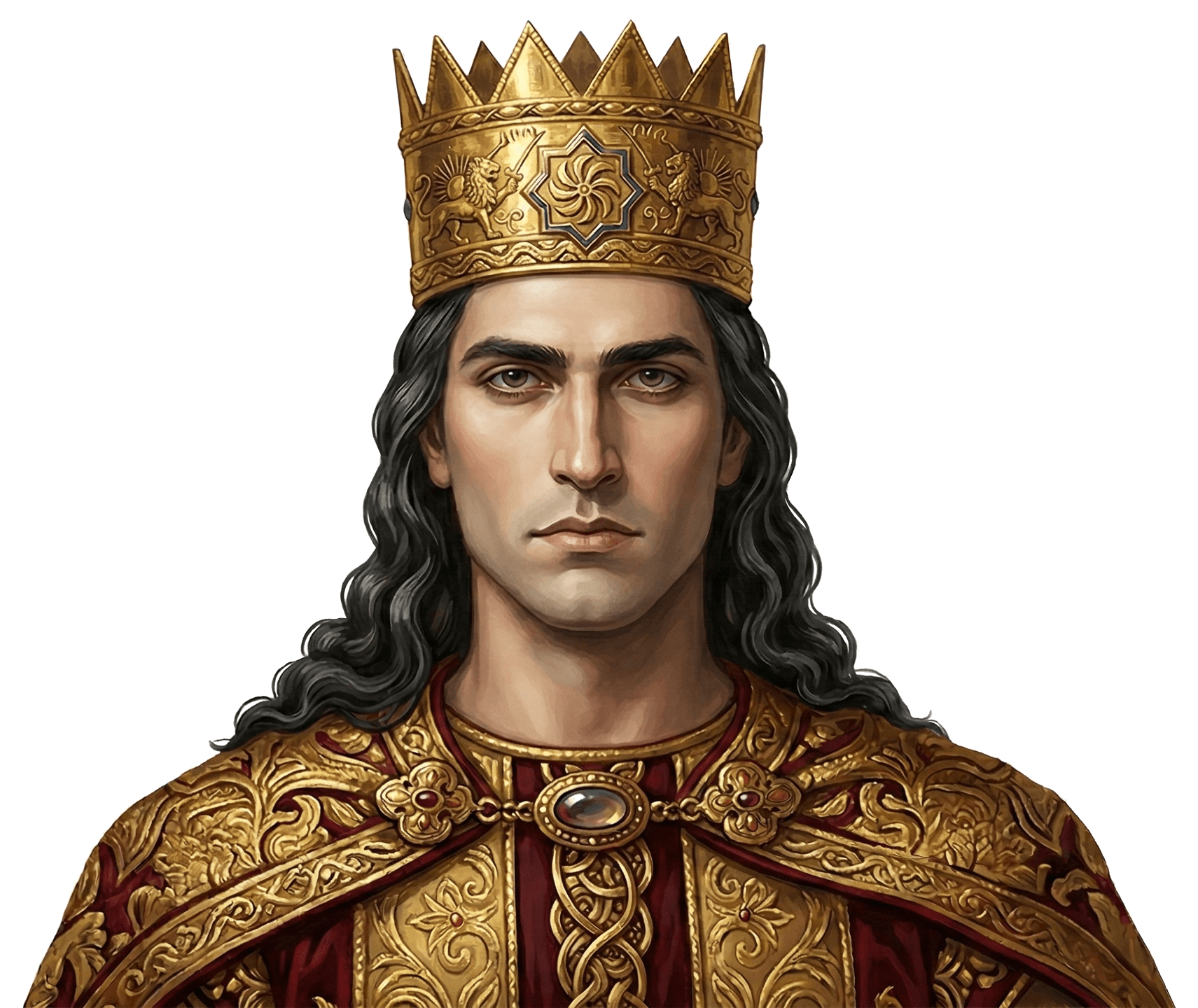
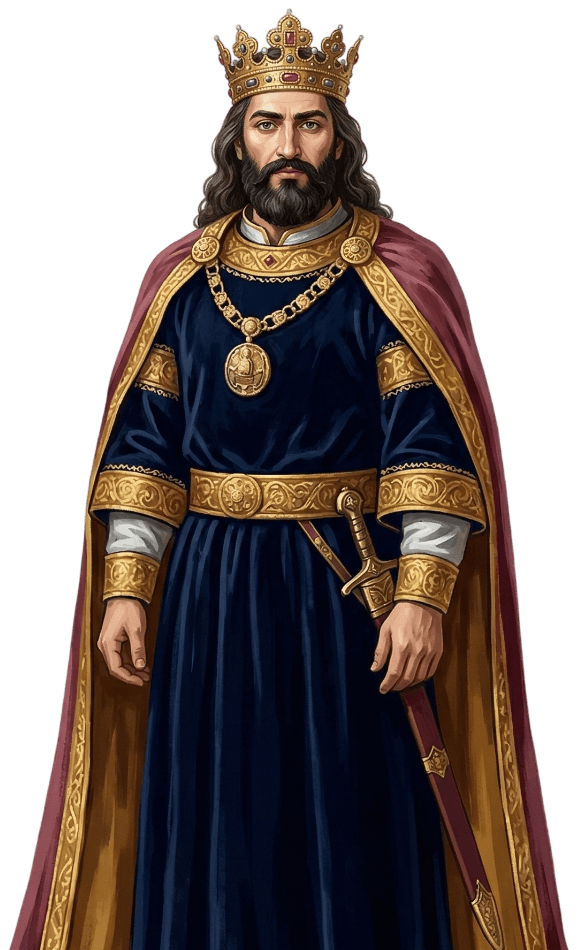
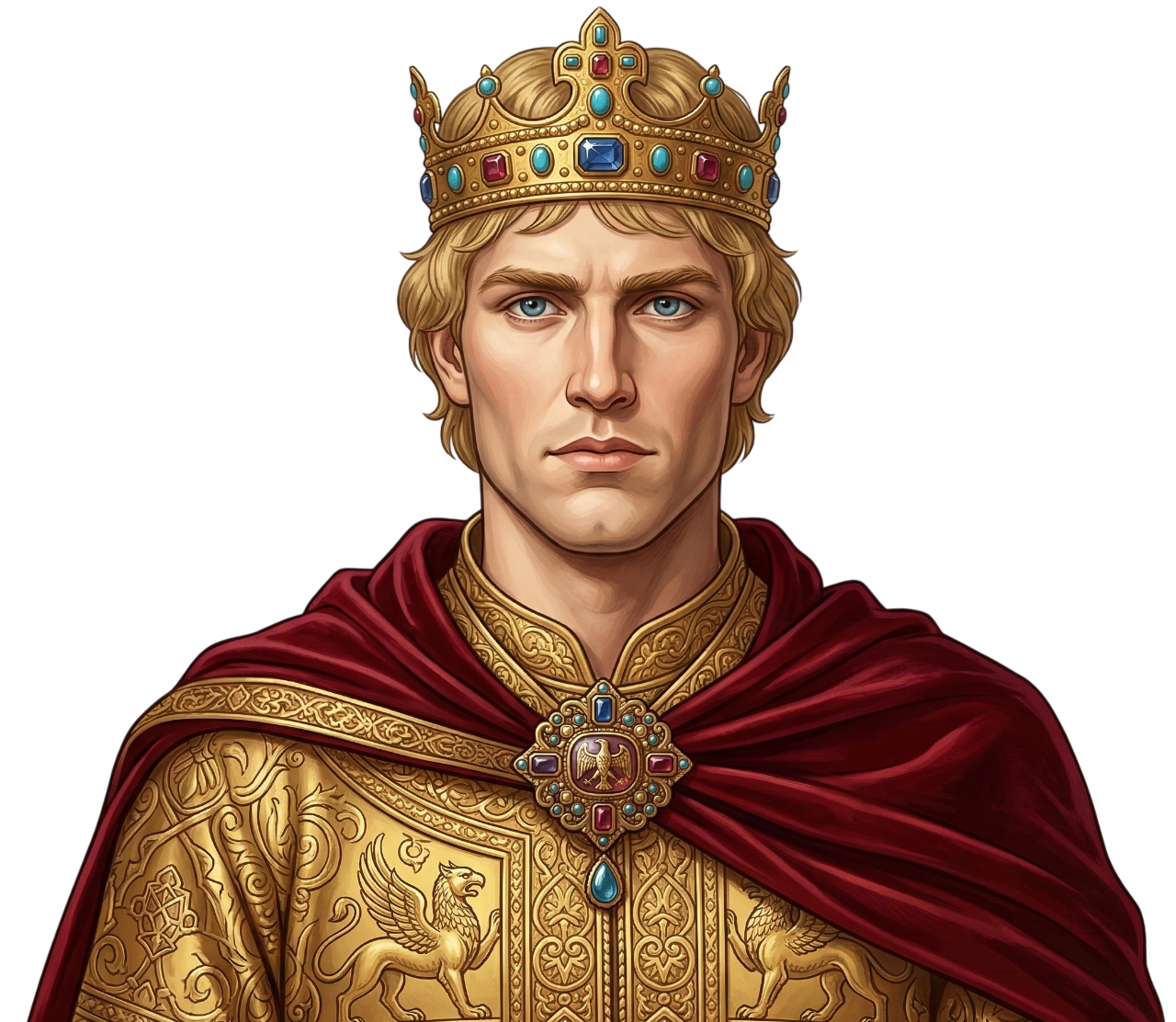
Varazdat reigned from 374 to 378 AD as the monarch of the Kingdom of Armina (Greater Armenia), succeeding his uncle, King Pap. A member of the Arshakuni (Arsacid) dynasty who was raised and educated in Rome, he was installed on the throne by the Emperor Valens. Beyond his royal status, Varazdat is uniquely distinguished as a celebrated athlete and the champion of the 393rd Olympic Games in Ancient Greece. His short reign was characterized by deep political polarization and the growing influence of his teacher, Bat Saharuni. Following the treacherous assassination of the sparapet Mushegh Mamikonian at a royal banquet, Varazdat faced a massive internal rebellion. In 378 AD, he was defeated by Manuel Mamikonian at the Field of Karin, leading to his deposition and flight back to Rome, where he remained until his death.
Varazdat reigned between 374 and 378 AD, bringing a persona of physical heroism to the Armenian throne. Having spent most of his youth in Rome, he was deeply influenced by Greco-Roman culture and excelled in military training. According to the historian Moses Khorenatsi, Varazdat was a "strong and brave warrior" who gained international fame as a boxer and wrestler, eventually winning a championship at the Olympic Games. His personal strength was legendary; in the province of Daranaghi, he is said to have leaped across the narrow flow of the Yeraskh (Euphrates) River while pursuing bandits, and during his service in the Roman army, he single-handedly defeated five Langobard soldiers who had attacked him.
The Saharuni Influence and the Death of Mushegh
Despite his physical prowess, contemporary accounts like those of Faustus Buzand portray Varazdat as an inexperienced and easily influenced ruler. His teacher and guardian, Bat Saharuni, exerted significant control over royal affairs and sought to seize the position of sparapet (commander-in-chief). By convincing the king that Mushegh Mamikonian was responsible for the murder of King Pap and was plotting to seize the throne with Roman support, Bat incited Varazdat to violence. In 374 AD, the king invited Mushegh to a grand banquet and ordered his execution during the feast. As Mushegh was restrained by twelve men, Varazdat reportedly told him to "go to King Pap and ask" why he was being killed, after which Bat Saharuni delivered the final blow.
The Battle of Karin and Final Exile
The assassination of Mushegh earned Varazdat the eternal enmity of the powerful Mamikonian house. In 377 AD, the king was forced to accept Sasanian suzerainty, further complicating his standing between the two rival empires. The crisis reached its peak in 378 AD when Manuel Mamikonian, having returned from Persian captivity, led a national uprising against the king. The two forces clashed at the Field of Karin, where the rebel army seized the initiative and decisively defeated the royal guard. Deposed and without allies, Varazdat was forced to leave the Kingdom of Armina (Greater Armenia) and seek refuge in Rome. He was succeeded by Arshak III, the son of Pap, marking the end of the athlete-king's turbulent four-year rule.
Royal Record
Family & Notes
Notes: Ancient Olympic Boxing Champion. Deposed after a power struggle with the Sparapet Mushegh Mamikonian.
Wars & Battles
1 War: Battle against Mushegh Mamikonian (internal strife).
War Record
1 Won (short term)
Territory Size
c. 300,000 km2km^2km2
Allied Rulers
Valens (Rome)
“The legacy of Varazdat Olympic Champion endures through the centuries — a testament to the enduring spirit of the Armenian people and their unbroken pursuit of sovereignty, culture, and faith.”
Continue the Journey