Artavasdes V
Arsacid Dynasty — 253- 261 AD
Arsacid Dynasty
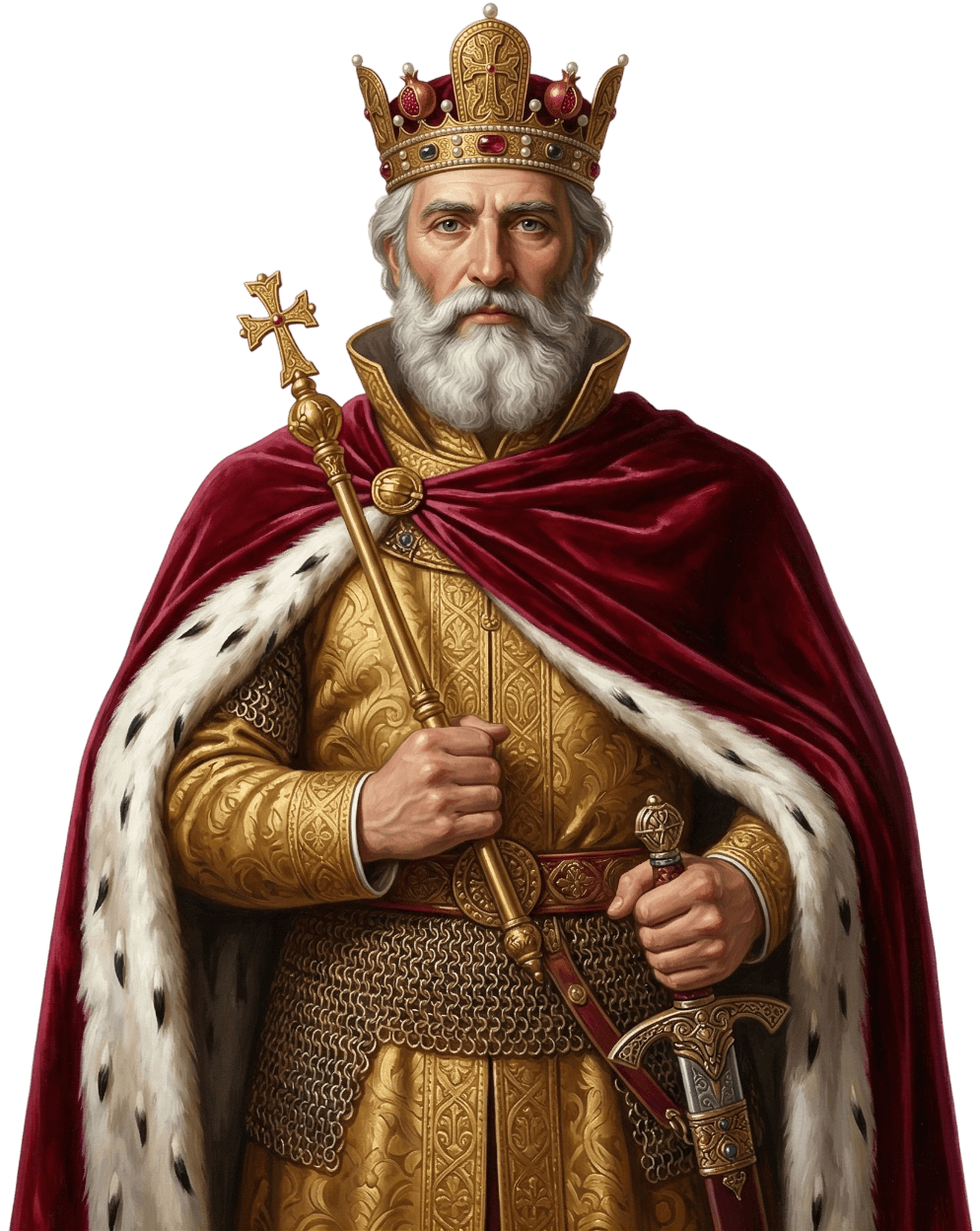
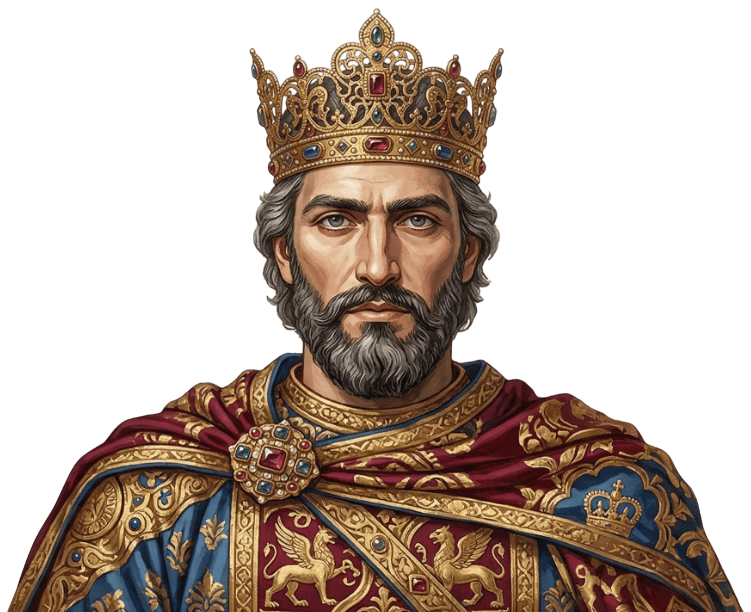
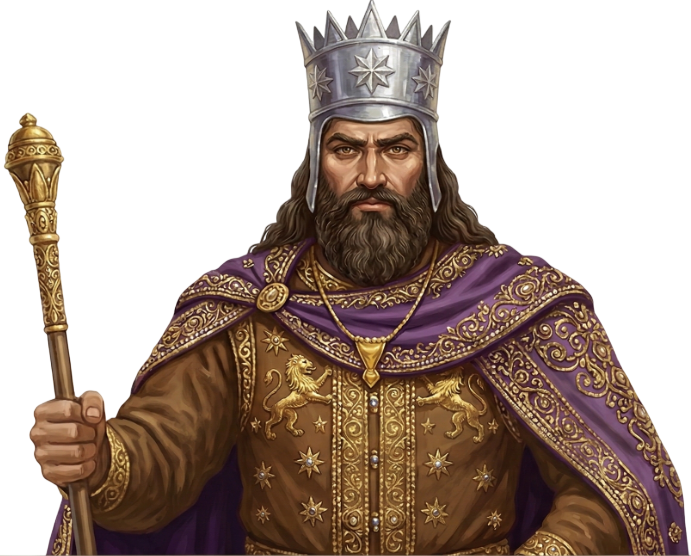
Artavasdes V Mandakuni reigned from 253 to 261 AD as the monarch of the Kingdom of Armina (Greater Armenia). He assumed power as a "guardian-king" following the deposition of Khosrov II, who had been perceived as a mere instrument of the Sasanian King Shapur I. Recognizing the overwhelming military strength of the Sasanians, Artavasdes V maintained a precarious peace by accepting a subordinate political role. He is most notable for leading an Armenian force of 60,000 in a joint campaign with Shapur I that culminated in the Battle of Edessa in 260 AD. This engagement resulted in the historic capture of the Roman Emperor Valerian I. However, his subsequent attempt to intercede on the Emperor’s behalf through diplomatic correspondence led to his downfall. In 261 AD, he was replaced by Shapur’s son, Hormizd, and forced to seek refuge within Roman borders.
Artavasdes V Mandakuni reigned between 253 and 261 AD, emerging as the leader of the Kingdom of Armina (Greater Armenia) during an era of deep national crisis. Following the deposition of Khosrov II—whose submission to the Persian throne had sparked widespread domestic unrest—Artavasdes was proclaimed a guardian-king upon his return to the highlands. Bound by the reality of Sasanian military dominance, he avoided direct confrontation with the East, effectively governing as a high-ranking subject of Shapur I. This period of rule was a delicate balancing act, intended to preserve the internal structure of the kingdom while maneuvering within the orbit of the resurgent Sasanian Empire.
The Triumph at Edessa and Valerian’s Fall
The defining moment of his kingship occurred in 260 AD during the massive Roman incursion into Syria led by Emperor Valerian I. As the Roman army of 70,000 crossed the Yeraskh (Euphrates) at Zeugma, they were met by a devastating counter-offensive. Artavasdes V commanded an Armenian army of 60,000 cavalry and infantry, joining Shapur I’s 100,000 soldiers in a rapid and unexpected strike. Near the city of Edessa, the joint forces successfully surrounded the Roman legions. Crippled by arrow fire, disease, and a lack of supplies, the entire imperial army surrendered, and Valerian I was taken captive—the only instance in Roman history where an emperor was seized by a foreign power.
Diplomatic Intercession and the Loss of the Crown
In the aftermath of the victory, Artavasdes V attempted to exert independent influence by writing to Shapur I, requesting the release of the captive Emperor. This diplomatic gesture, combined with the fact that Rome held Armenia responsible for Valerian’s capture, created a dangerous political environment. By early 261 AD, Shapur I moved to solidify direct Persian control over the highlands, removing Artavasdes V from the throne and installing his own son, Hormizd, as the new monarch. Left with no further allies in the East, the deposed King Mandakuni was forced to flee and seek asylum within the very Roman Empire he had helped defeat.
“The legacy of Artavasdes V endures through the centuries — a testament to the enduring spirit of the Armenian people and their unbroken pursuit of sovereignty, culture, and faith.”
Continue the Journey