Gagik II
Last Bagratid
Bagratuni Dynasty — 1041–1045 AD
Bagratid Kingdom
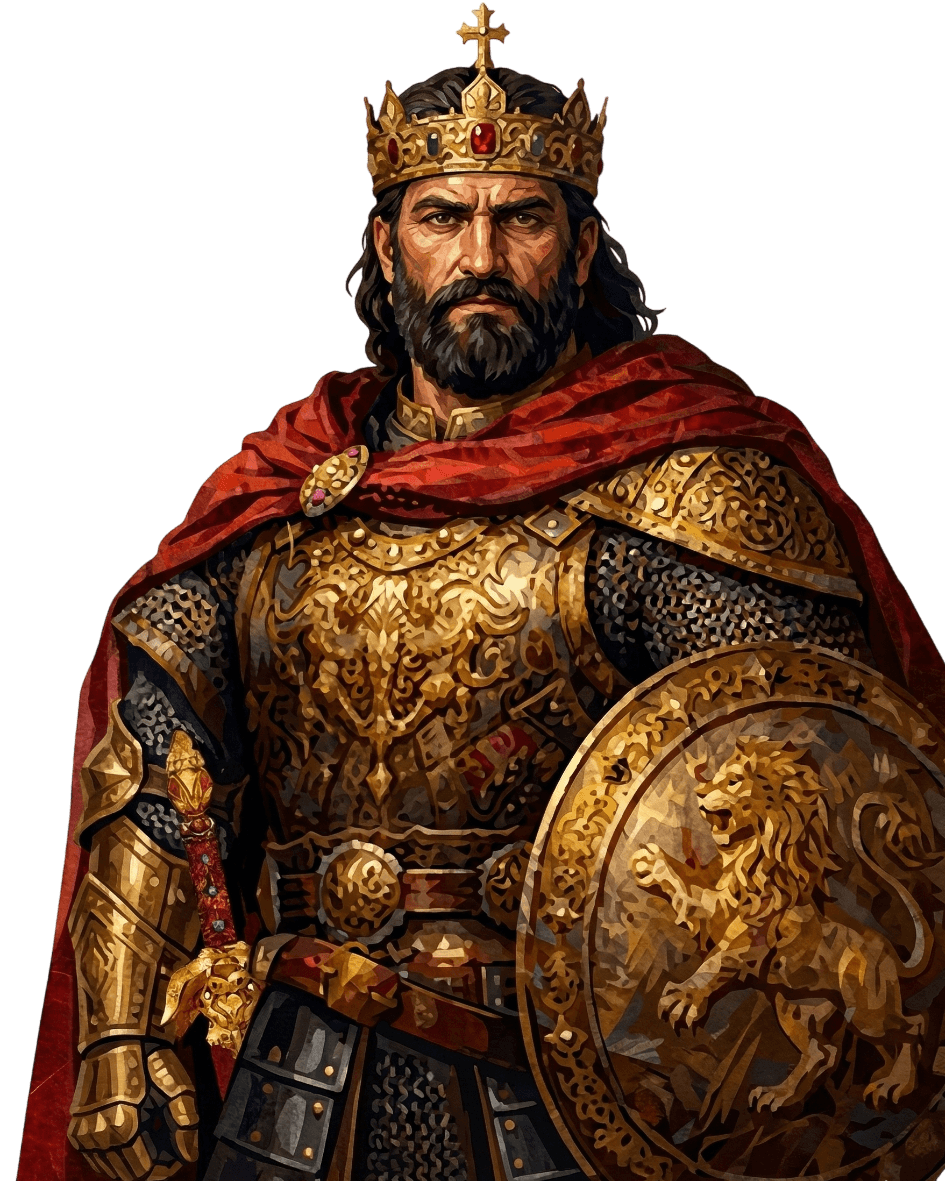
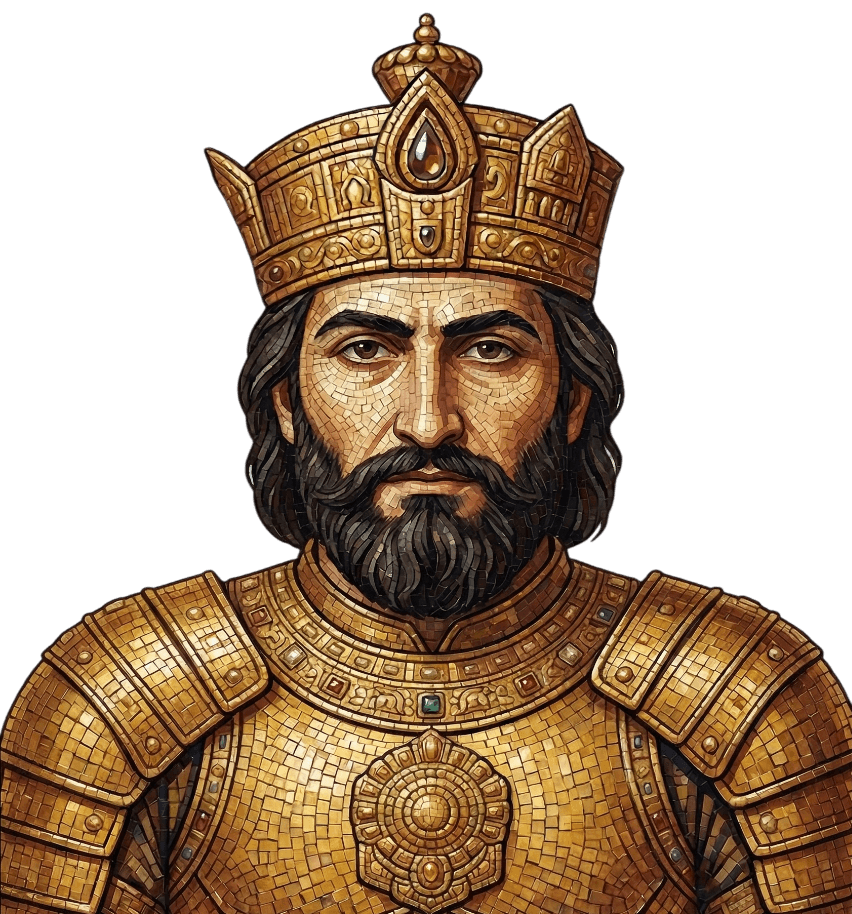
Gagik II reigned from 1042 to 1045 as the final Armenian monarch of the Bagratuni dynasty in Ani. Ascending the throne at the age of fourteen after the deaths of Hovhannes-Smbat and Ashot IV, he was supported by the sparapet Vahram Pahlavuni. His brief but intense reign was defined by the heroic defense of the capital, where he successfully repelled three Byzantine assaults and a major Seljuq invasion. Despite his military successes and his reputation as a "fighting king," Gagik II’s sovereignty was ended through Byzantine treachery. Lured to Constantinople for peace negotiations, he was imprisoned and forced to abdicate his throne, leading to the formal occupation of Ani by the Byzantine Empire in 1045. He lived the remainder of his life in exile in Asia Minor until his murder in 1079, marking the end of the senior Bagratid line in the Armenian Highlands.
Gagik II reigned between 1042 and 1045, taking the crown during a desperate era of Byzantine expansion. Known for his courage as "the Lion," the young king immediately faced a challenge from the pro-Byzantine regent Vest Sargis. Supported by the legendary general Vahram Pahlavuni, Gagik II defended the walls of Ani against a massive imperial army, inflicting a heavy defeat that reportedly left 20,000 enemy dead. This victory allowed the teenage monarch to consolidate his power and capture the rebellious Sargis, briefly securing the independence of the Bagratid realm against the efforts of Emperor Michael V.
Martial Success and Tactical Brilliance
The military prowess of Gagik II extended beyond the Byzantine frontier to the eastern threats of the Seljuq Turks. Near Lake Sevan, the king and Vahram Pahlavuni executed a masterful tactical feint, splitting the Armenian army into two units to draw the Seljuq hordes into a lethal ambush. The resulting catastrophic defeat for the Turks emboldened Armenians in Vaspurakan to revolt, successfully pushing the invaders back to Khoy and Salmas. Even when the Byzantine Emperor Constantine IX Monomachus incited the Kurdish emir of Dvin to attack, Gagik managed to placate the eastern front with diplomacy, allowing him to concentrate his forces and repeatedly force the imperial legions into retreat.
Treachery, Exile, and the End of the Dynasty
The fall of the Kingdom of Ani was ultimately orchestrated through deception rather than open battle. In 1045, the Byzantine Emperor invited Gagik II to Constantinople to sign a permanent peace treaty. Once there, the king was jailed and pressured to abdicate his crown. While he was held in the imperial capital, the city of Ani was surrendered by the Patriarch Petros to the Byzantines. In exchange for his kingdom, Gagik was granted estates in Lycandus (Asia Minor) and a palace on the Bosphorus. His final years in exile were marked by high-level theological debates and escalating conflict with local Byzantine clergy, which led to his capture and murder by the brothers of Kyzistra in 1079. His death effectively ended the Bagratuni line of kings, though his memory was later avenged by the Armenian forces of Cilicia.
Royal Record
Family & Notes
Notes: The kingdom fell due to Byzantine treachery; he was lured to Constantinople and forced to abdicate. Later murdered in exile.
Wars & Battles
2 Wars: 1. Defense of Ani against Byzantium (1044); 2. Diplomatic failure at Constantinople.
War Record
0 Won / 2 Lost
Territory Size
c. 100,000 km2km^2km2
Allied Rulers
Constantine IX (Byzantium)
“Known for his courage as the Lion, Gagik II proved that the Bagratuni crown could be stolen by treachery, but it could never be broken by the sword.”
Continue the Journey