Mithranes
Orontid Dynasty — 331 – 321 BC
Orontid Dynasty
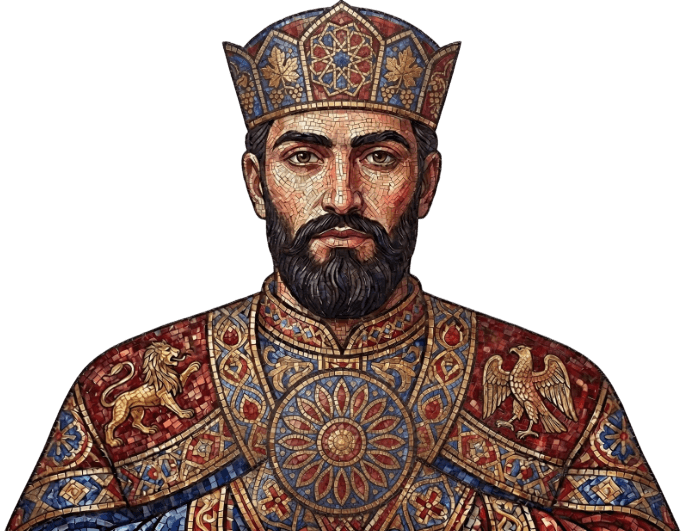
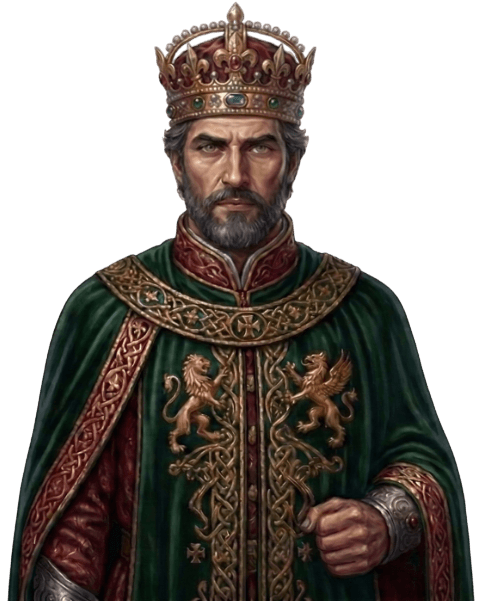
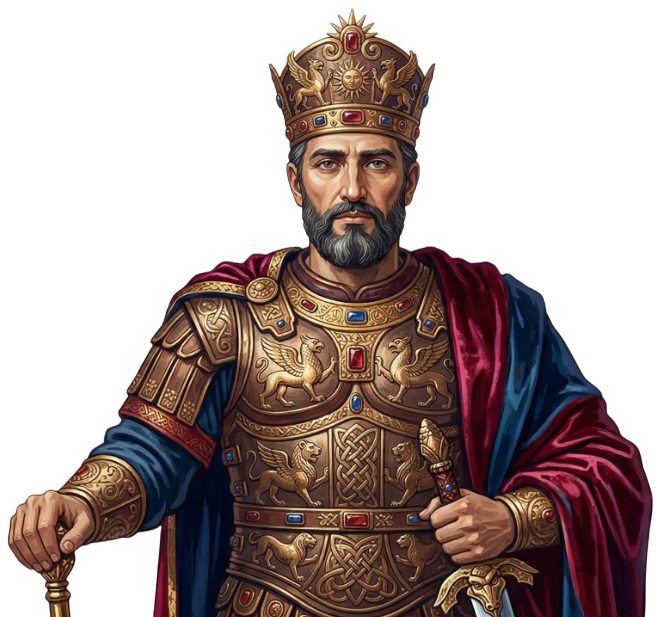
Mithrenes (Mihran) was an Orontid nobleman and military commander who served during the transition from Persian to Macedonian rule in the 4th century BC. Originally the Persian garrison commander of the citadel in Sardis (Lydia), he surrendered the city to Alexander the Great in 334 BC. Following the Battle of Gaugamela in 331 BC, Alexander appointed Mithrenes as the Satrap of Armina (Armenia). His reign represents a pivotal attempt by the Macedonian regime to establish authority over the highlands through a member of the local Orontid (Yervanduni) dynasty.
Mithrenes first appears in historical records as the frurararch (garrison commander) of the strategic citadel of Sardis (Lydia) under the Persian King Darius III. Following the Persian defeat at the Granicus in 334 BC, Mithrenes voluntarily surrendered the city and its royal treasures to Alexander the Great. Alexander treated the nobleman with great distinction, appointing him as a counselor and keeping him within the royal entourage. This move was largely a symbolic act of propaganda, signaling to the Persian aristocracy that defection to the Macedonian side would be met with honor and high office. While Mithrenes was initially chosen to reassure the captured family of Darius III after the Battle of Issus, he was eventually replaced by Leonnatus for that task to avoid the discomfort of a defector meeting the royal family.
The Satrapy of Armenia and Dynastic Conflict
The appointment of Mithrenes as the Satrap of Armina (Armenia) in 331 BC created a complex political situation within the Orontid (Yervanduni) dynasty. At the Battle of Gaugamela, while Mithrenes was in the Macedonian camp, his likely father, Orontes II, was commanding the Armenian contingents on the Persian side. Following Alexander’s victory, Mithrenes was sent from Babylon to take control of the Armenian highlands on behalf of the new regime. Historians remain divided on the success of his rule; while some accounts suggest Alexander considered Armenia a conquered province under Mithrenes' administration, others believe the local nobility, led by Orontes II, successfully resisted his efforts, preventing him from ever fully establishing control over the Lake Van region.
Ambiguous Fate and Historical Disappearance
The later years of Mithrenes' life are shrouded in uncertainty, as he disappears from the historical record shortly after his appointment. Some scholars, such as Edward Anson, suggest he may have perished in a failed attempt to wrestle the highlands away from the influence of Orontes II. Other accounts indicate that during the power struggles of the Diadochi following Alexander's death in 323 BC, the Macedonian regent Perdiccas still viewed Armenia as a rebellious province in need of conquest. However, a local tradition suggests that Mithrenes eventually managed to return to his ancestral seat and declared himself king during the chaos of the shifting empires. His legacy remains a point of scholarly debate, reflecting the turbulent intersection of Achaemenid and Hellenistic power in the Armenian Highlands.
“The legacy of Mithranes endures through the centuries — a testament to the enduring spirit of the Armenian people and their unbroken pursuit of sovereignty, culture, and faith.”
Continue the Journey