Orontes IV
First Independent King
Orontid Dynasty — 321 – 260 BC
Orontid Dynasty
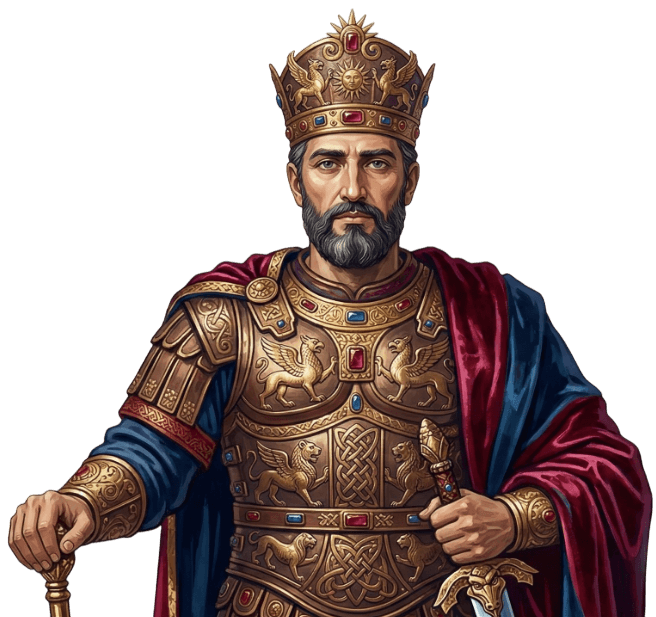
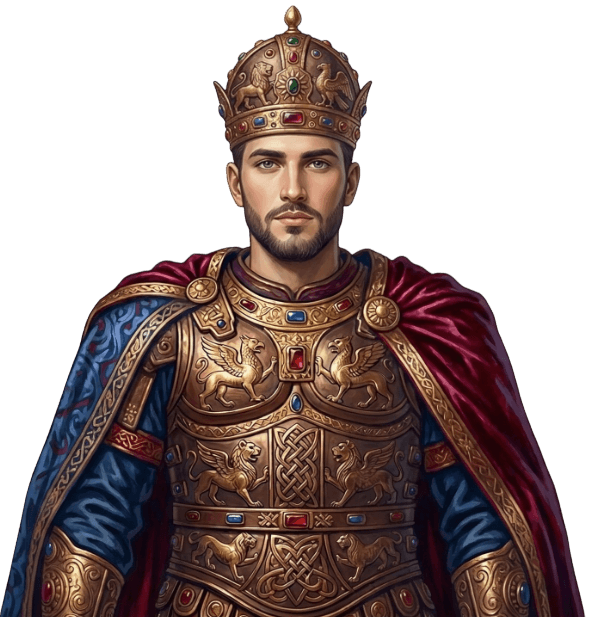
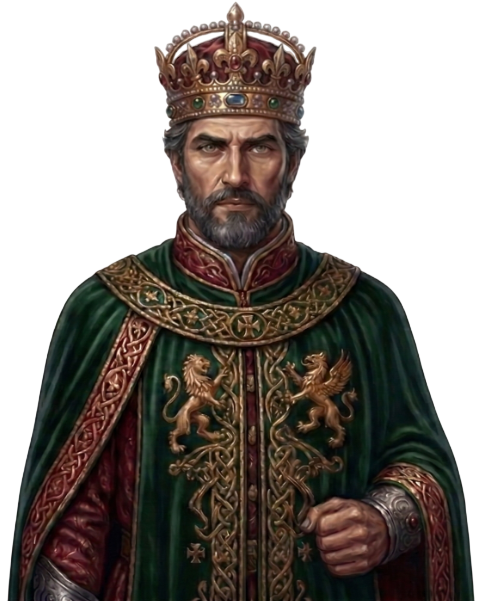
Orontes III reigned from 336 to 260 BC, initially as a satrap and later as the King of Armina (Armenia). After the defeat of Darius III at Gaugamela in 331 BC, he successfully re-established an independent Armenian statehood with its capital at Armavir. His kingdom stretched from the lands of Commagene to the Kur River and from the Tigris to the Pontic Mountains. His reign was characterized by a staunch defense of the highlands, famously defeating the Macedonian general Menon, and a later strategic struggle for the Kingdom of Sophene (Tsopk) against the Seleucid King Antiochus II Theos.
Orontes III reigned between 336 and 260 BC, serving as a pivotal figure in the transition of the Armenian Highlands from a Persian satrapy to an independent kingdom. Following the collapse of the Achaemenid Empire after the Battle of Gaugamela in 331 BC, he moved to restore a sovereign statehood that had been interrupted by external interference for over two centuries. Centered at the capital of Armavir, his kingdom encompassed a vast territory ranging from the trans-Euphrates region of Commagene to the Kur River. He asserted his independence early in the Macedonian era; when Alexander the Great sent General Menon to seize the gold mines of the Sper (Ispir) province, the Armenian forces under Orontes III defeated the Greek army, and Menon was killed in the field.
Geopolitical Struggles and Diplomacy
In the power vacuum following the death of Alexander the Great, Orontes III actively navigated the political landscape of the Near East. He sympathized with leaders who aimed to maintain a balance of power while guaranteeing the autonomy of states that had broken away from Persian rule. However, the latter part of his reign was defined by a difficult conflict with the Seleucid Empire. Orontes III struggled for control over the Kingdom of Sophene (Tsopk) against King Antiochus II Theos. This rivalry led to a significant military defeat in 272 BC, after which Orontes was forced to pay a heavy tribute consisting of 300 talents of silver and 1,000 horses and mules to maintain his position.
The Orontid Legacy in Sophene
The long reign of Orontes III came to an end in 260 BC when he was murdered, an act that historical documents suggest may have been instigated by Antiochus II. Despite this, he successfully established a legacy of independent rule that survived his death. His son, Sames, continued the Orontid (Yervanduni) line by ruling in Sophene (Tsopk). Orontes III is remembered for the energetic defense of his borders and his commitment to Armenian independence, ensuring that the highland kingdom remained a significant political force throughout the early Hellenistic period.
Royal Record
Family & Notes
Child: Mithranes. Notes: Ruled during the transition from Persian to Macedonian dominance; his power ended as Alexander the Great entered Asia.
Wars & Battles
1 Event: Transitional skirmishes during the fall of the Achaemenids.
Territory Size
c. 250,000 km2km^2km2
Allied Rulers
Darius III (Persia)
“The legacy of Orontes IV First Independent King endures through the centuries — a testament to the enduring spirit of the Armenian people and their unbroken pursuit of sovereignty, culture, and faith.”
Continue the Journey