Orontes I
The Dynast
Orontid Dynasty — 401-344 BC
Orontid Dynasty
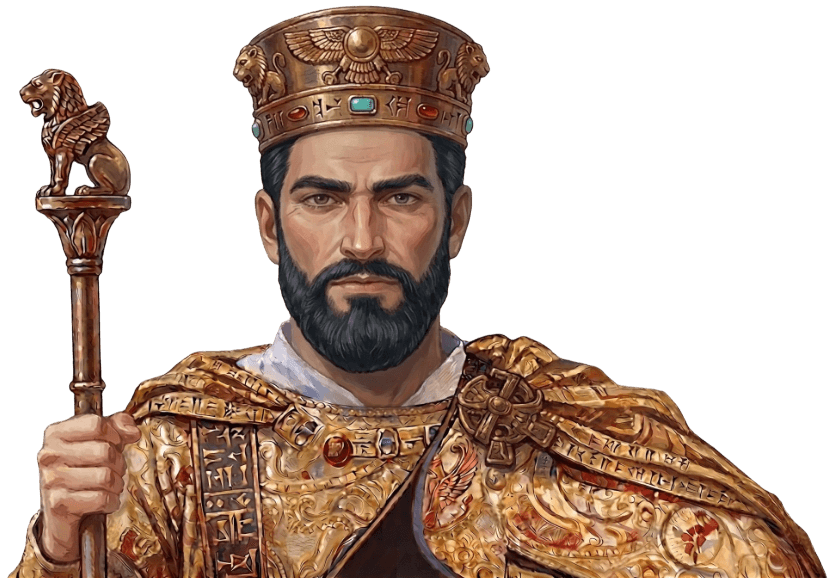
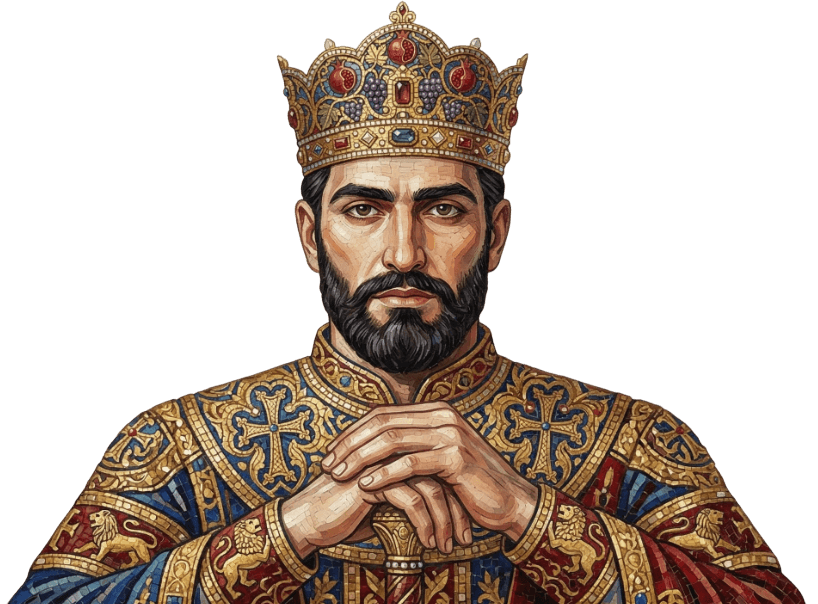
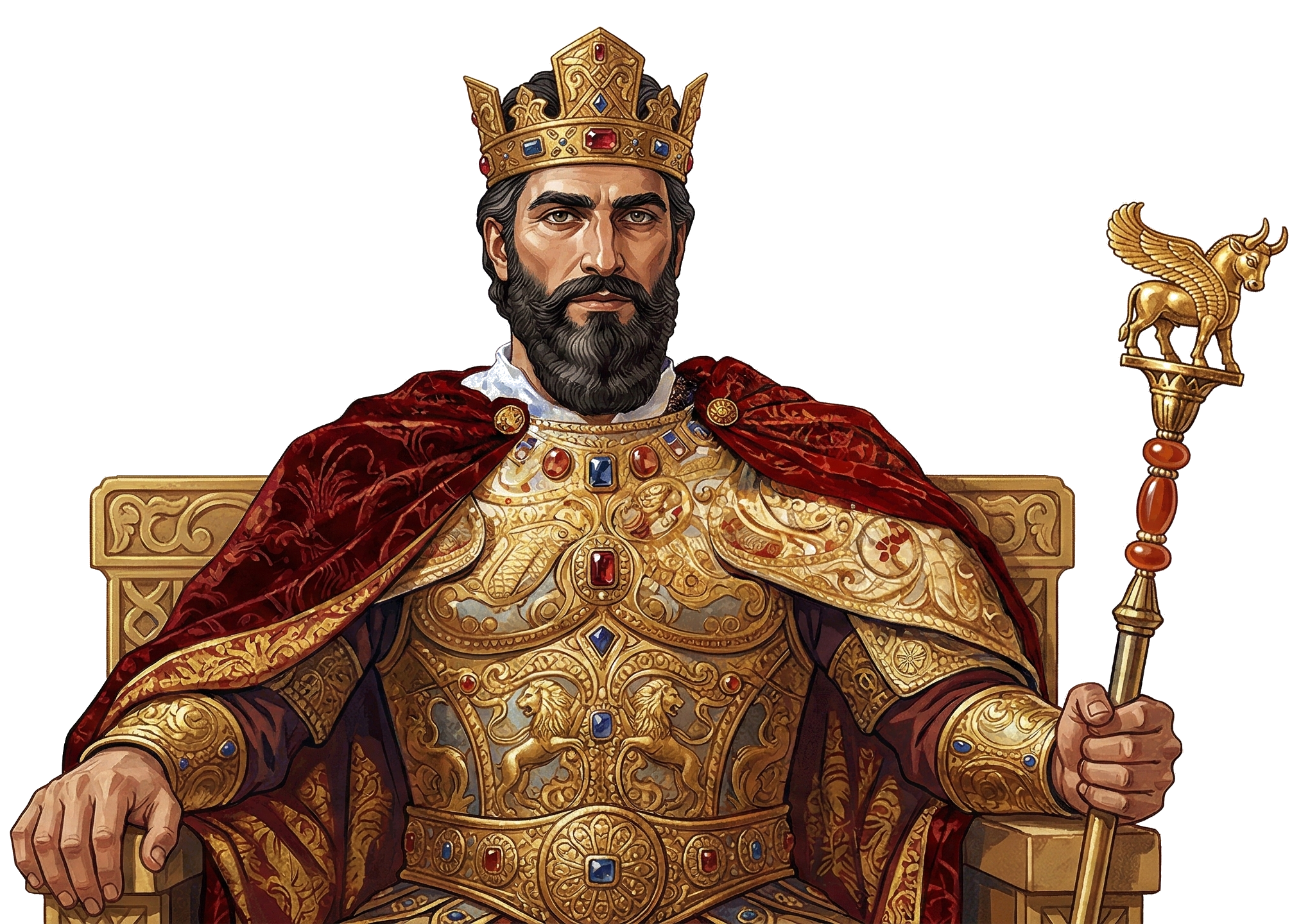
Orontes I governed as the satrap of Armina (Armenia) from 401 to 344 BC and is recognized as the foundational ancestor of the Orontid (Yervanduni) dynasty. A son of the Bactrian nobleman Artasyrus and husband to Rhodogune, the daughter of Artaxerxes II, he was a prominent military commander of the Achaemenid Empire. He is historically notable for his roles in the Battle of Cunaxa and the Cypriot War, as well as for leading and subsequently betraying the Great Satraps' Revolt in Asia Minor.
Orontes I, whose name derives from the Old Persian Arvanta (meaning swift or vigorous), served as a high-ranking military officer and satrap of Armina (Armenia) and Mysia between 401 and 344 BC. Born into a high-ranking Bactrian noble family, he traced his maternal descent back to Hydarnes, one of the seven companions of Darius the Great. His political standing was firmly established in 401 BC during the Battle of Cunaxa, where he supported King Artaxerxes II against the rebellion of Cyrus the Younger. Following the victory, he pursued the Greek "Ten Thousand" during their retreat and married the King's daughter, Rhodogune, legally binding the Orontid (Yervanduni) line to the Achaemenid royal house.
Military Expeditions and Satrapal Rivalries
In the 380s BC, Orontes was appointed joint commander of a massive Persian expedition against Evagoras I, the King of Salamis (Cyprus). Tasked with leading the land forces, he operated alongside the satrap Tiribazus. The campaign became a site of intense political intrigue when Orontes accused Tiribazus of deliberately prolonging the war to declare independence. While this resulted in Tiribazus's imprisonment, it also weakened the Persian position, forcing Orontes to conclude a peace treaty in 380 BC that permitted Evagoras to remain a king rather than a slave. Due to the high cost and unsatisfactory end of the war, Orontes fell into royal disfavour and was eventually reassigned to the distant region of Mysia.
The Great Revolt and Lasting Influence
By 362 BC, Orontes re-emerged as a central figure in the Great Satraps' Revolt, where he was chosen as the leader of the rebelling governors of Asia Minor. However, in a calculated move to regain the King's trust, he betrayed his allies and returned to the service of Artaxerxes II, leading many other satraps to follow suit. Despite a second rebellion in 354 BC where he seized the town of Pergamon, he ultimately reconciled with Artaxerxes III before his death in 344 BC. His legacy as the founder of the Orontid dynasty is preserved on the monumental stelae of Mount Nemrut, where his descendants in Commagene and Sophene continued to celebrate him as the patriarch who established their long-standing rule in the Armenian Highlands.
Royal Record
Family & Notes
Family: Unknown by name. Notes: Founder of the Orontid line; originally served as an Achaemenid Persian Satrap before the dynasty asserted local kingship.
Wars & Battles
1 Campaign: Participated in Achaemenid campaigns in Asia Minor.
War Record
1 Won / 0 Lost
Territory Size
c. 250,000 km2km^2km2
Allied Rulers
Cyrus the Great (Persia)
“The legacy of Orontes I The Dynast endures through the centuries — a testament to the enduring spirit of the Armenian people and their unbroken pursuit of sovereignty, culture, and faith.”
Continue the Journey