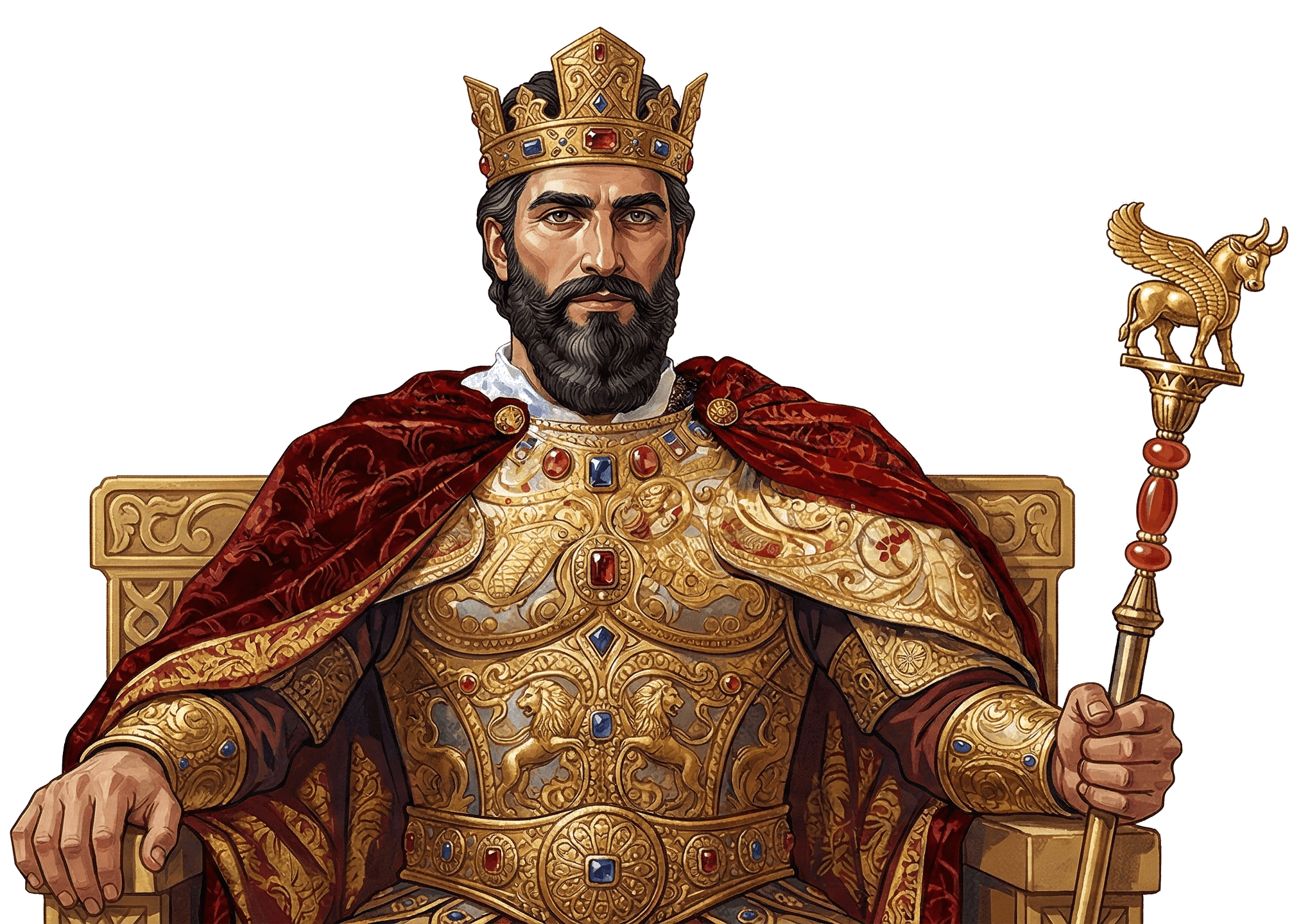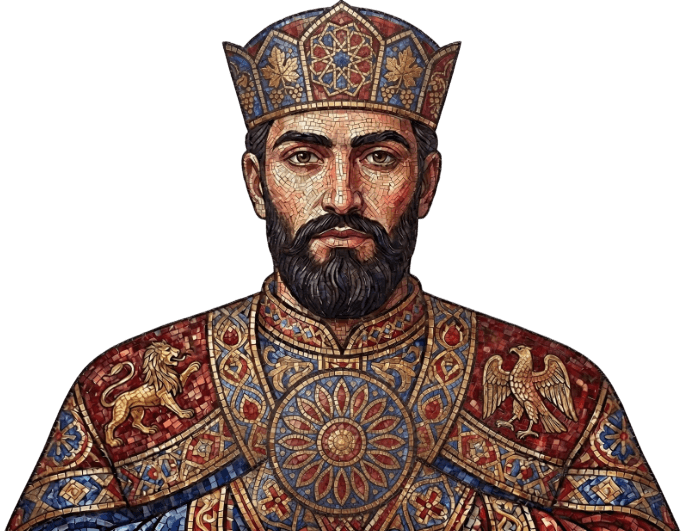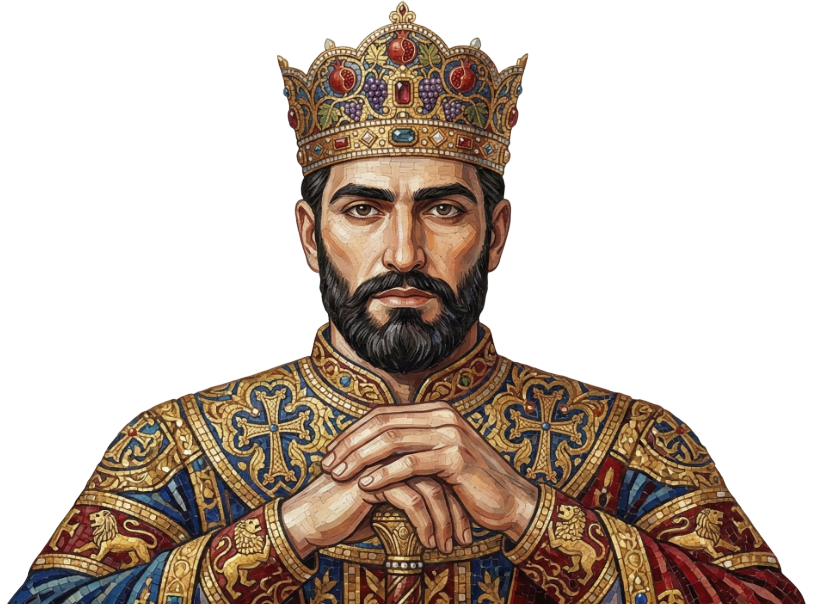
Orontes II
Orontid Dynasty — 336-331 BC
Orontid Dynasty
Orontes II was the satrap of Armina (Armenia) during the 4th century BC and a high-ranking noble of the Orontid (Yervanduni) dynasty. He is most recognized for commanding a massive force of 40,000 infantry and 7,000 cavalry at the Battle of Gaugamela in 331 BC, where he fought on the Persian right flank against Alexander the Great. A descendant of the Achaemenid-linked house of Hydarnes, he successfully navigated the collapse of the Persian Empire to maintain the autonomy of the Armenian Highlands, ensuring his lineage was preserved as the "swift and vigorous" patriarch of the kings of Sophene and Commagene.
Orontes II held the satrapy of Armina (Armenia) during the latter half of the 4th century BC, likely succeeding Darius III in the position when the latter ascended the Persian throne in 336 BC. At the pivotal Battle of Gaugamela in 331 BC, Orontes II served as a primary commander for the Achaemenid Empire, leading two distinct Armenian contingents on the right flank. While some historical accounts suggest he perished in the heat of the battle, other records indicate he maintained his authority over the highlands long after the Persian defeat. His personal strength and military leadership were legendary, reflecting the meaning of his name, derived from the Old Persian Arvanta, signifying a "brave and vigorous" ruler.
Autonomy and the Macedonian Era
In the wake of Alexander the Great's conquests, the status of the Armenian Highlands remained a site of significant historical complexity. Although Alexander appointed Orontes’ son, Mithrenes, as the new satrap of Armenia, many scholars suggest that the region was never truly incorporated into the Macedonian Empire. Instead, Orontes II is mentioned in later accounts as the continuing satrap during the Second War of the Diadochi, acting as a friend to Peucestas. He successfully navigated the political turmoil following Alexander's death, resisting efforts by the new regime to seize his territory. By 317 BC, he remained the dominant power in Greater Armenia, demonstrating the resilience of the local dynasty against the shifts of Hellenistic power.
Ancestry and the Legacy of Nemrut
The historical identity of Orontes II is anchored in his lineage as a descendant of Hydarnes and the first Orontes, who married the Achaemenid princess Rhodogune. This prestigious ancestry is immortalized in the inscriptions of Mount Nemrut, where he is recorded as "Aroandas II," a vital link in the genealogy of the Commagene kings. While the Armenian records describe him as a leader of the Satraps' Revolt who eventually governed Mysia and sought refuge in Greece, the monumental record at Nemrut highlights his role as the patriarch who solidified the Orontid claim to the Armenian Highlands. Through his survival and leadership, he established the political foundations that allowed the Orontid (Yervanduni) house to thrive as a sovereign power well into the Hellenistic period.
Royal Record
Family & Notes
Wife: Rhodogune (daughter of Artaxerxes II of Persia). Child: Orontes III. Notes: Mentioned by Xenophon; he famously betrayed fellow rebels during the "Great Satraps' Revolt" to keep his position.
Wars & Battles
3 documented: 1. Battle of Cunaxa (401 BC); 2. Great Satraps' Revolt (362 BC); 3. Reconciliation campaign (355 BC).
War Record
1 Won, 1 Lost, 1 Draw
Territory Size
c. 250,000–300,000 km2km^2km2
Allied Rulers
Artaxerxes II (Persia)
“The legacy of Orontes II endures through the centuries — a testament to the enduring spirit of the Armenian people and their unbroken pursuit of sovereignty, culture, and faith.”
Continue the Journey