Toros II
Prince
Rubenid Dynasty — 1145–1169 AD
Armenian Kingdom of Cilicia
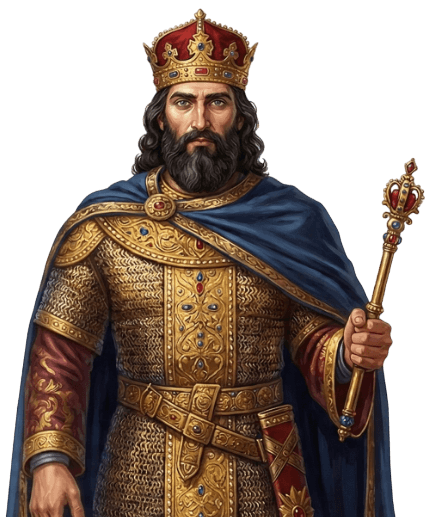
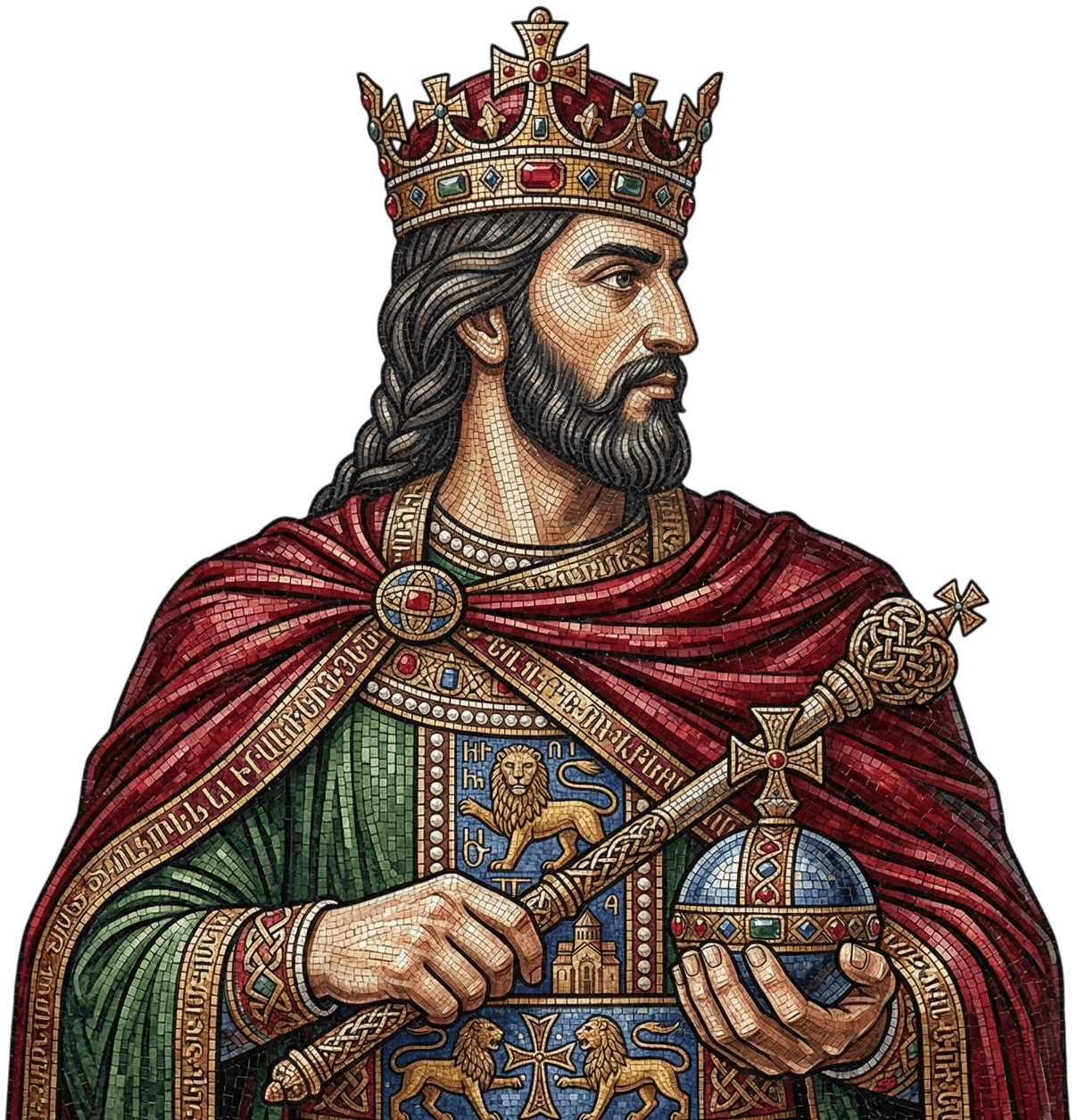
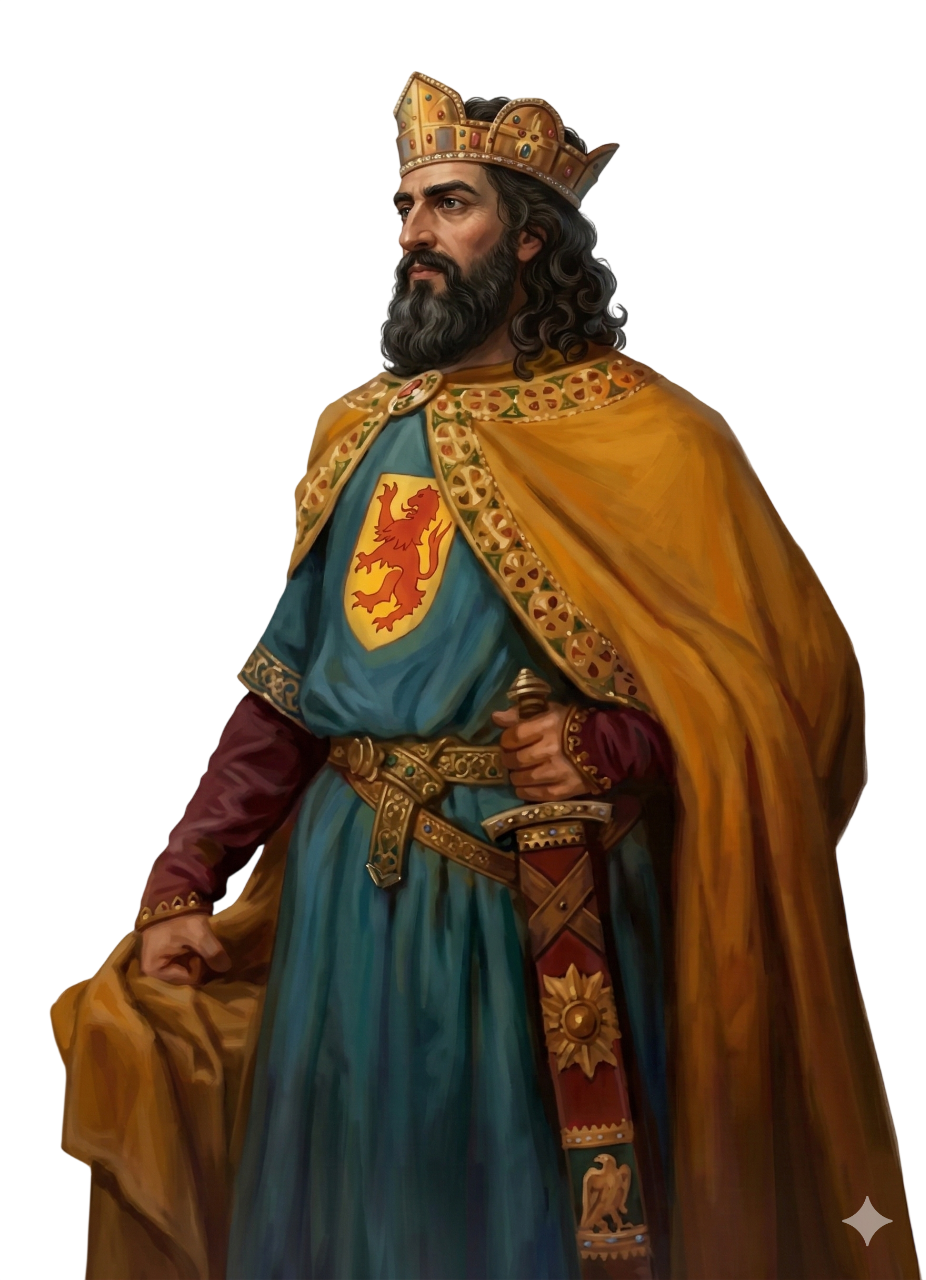
Thoros II reigned from 1145 to 1168 as the sixth Lord of Cilician Armenia (Kilikia) and is historically celebrated as the restorer of Armenian statehood. After being kidnapped in 1137 and spending years in Byzantine captivity following the fall of his father, Leo I, he escaped from Constantinople and returned to his homeland. He initially found shelter with the Assyrian Metropolitan Athanasios before successfully rallying the Armenian people to recapture the ancestral strongholds of Vahka and Amouda. His reign was characterized by a brilliant military defense against the Byzantine Emperor Manuel I Comnenus and the Seljuqs of Rum. He famously defeated the imperial general Andronicus at the walls of Mamistra (Msis) in 1151, turning the insult of his father’s "iron chains" into a decisive victory. Known for his profound understanding of both the Holy Scriptures and martial strategy, he eventually abdicated to become a monk and was buried in the Drazark Monastery in 1169.
Thoros II reigned between 1145 and 1168, assuming the leadership of the Rubenid (Rubinyan) house after a daring escape from the Byzantine capital. Having survived the imprisonment that claimed the lives of his father and brother, Thoros returned to the highlands and lived briefly in disguise as a shepherd. Once his identity was revealed to the local clergy and nobility, he led a swift liberation movement that cleared the mountain fortresses of Greek garrisons. By 1148, he had fully re-established the Armenian princedom, earning him the reputation among chroniclers as the "founder of Armenia's independence." His authority was so absolute that he was granted the high title of Pansebastos, signifying his role as the premier governor of the Cilician region.
The Defiance of the Imperial Legions
The middle years of Thoros’s reign were defined by relentless conflict with the Byzantine Empire. In 1151, Emperor Manuel I dispatched Duke Andronicus with 12,000 cavalry to bring Thoros to Constantinople in chains. Refusing to bear the imperial insult, Thoros assembled his forces and launched a surprise night-time assault on the city of Mamistra (Msis), put the Byzantine troops to the sword and capturing high-ranking lords such as Oshin of Lampron. Seeking further retribution for his family's suffering, he later allied with Raynald of Châtillon to launch a devastating retaliatory sack of Cyprus, plundering the wealthy Byzantine province. These victories forced the Byzantines and the Seljuqs of Rum to eventually respect the boundaries of the Armenian state.
Dynastic Strife and the Monastic Transition
Despite his external successes, Thoros II faced significant internal challenges from his own brothers, Stephen and Mleh. Stephen’s unauthorized military ventures threatened the kingdom's diplomatic ties with the Seljuqs, while Mleh—described as malicious and treacherous—attempted to assassinate Thoros during a deer hunt. After exposing and interrogating Mleh before the assembled princes, Thoros chose to exile him rather than execute him, a decision that reflected the king’s noted universal compassion. Thoros was a monarch of "tall figure and strong mind," renowned for his ability to explain the difficult expressions of the prophets. In his final year, he abdicated the throne to join a monastery, passing away in 1169 and leaving behind a sovereign and fortified homeland.
Royal Record
Family & Notes
Wife: Arda. Child: Roupen III. Notes: Escaped from Constantinople; reclaimed Cilicia and defeated the Byzantines in a legendary comeback.
Wars & Battles
6 Battles: 1. Reconquest of Cilicia (1145); 2. Battle of Black Mountain (1152); 3. War vs Manuel I; 4. Siege of Nur ad-Din; 5. Border wars.
War Record
4 Won, 1 Lost, 1 Draw
Territory Size
c. 60,000–80,000 km2km^2km2
Allied Rulers
Reynald of Chatillon
“The legacy of Toros II Prince endures through the centuries — a testament to the enduring spirit of the Armenian people and their unbroken pursuit of sovereignty, culture, and faith.”
Continue the Journey