Leo I
Prince
Rubenid Dynasty — 1129–1137 AD
Armenian Kingdom of Cilicia
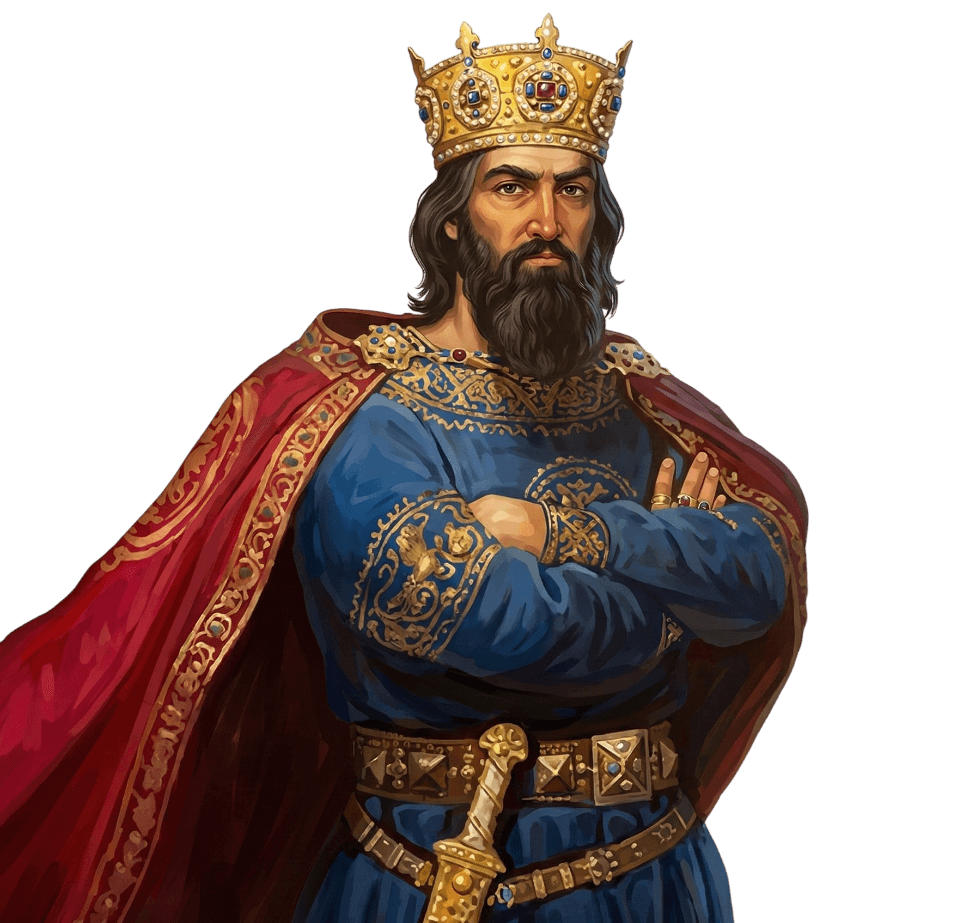
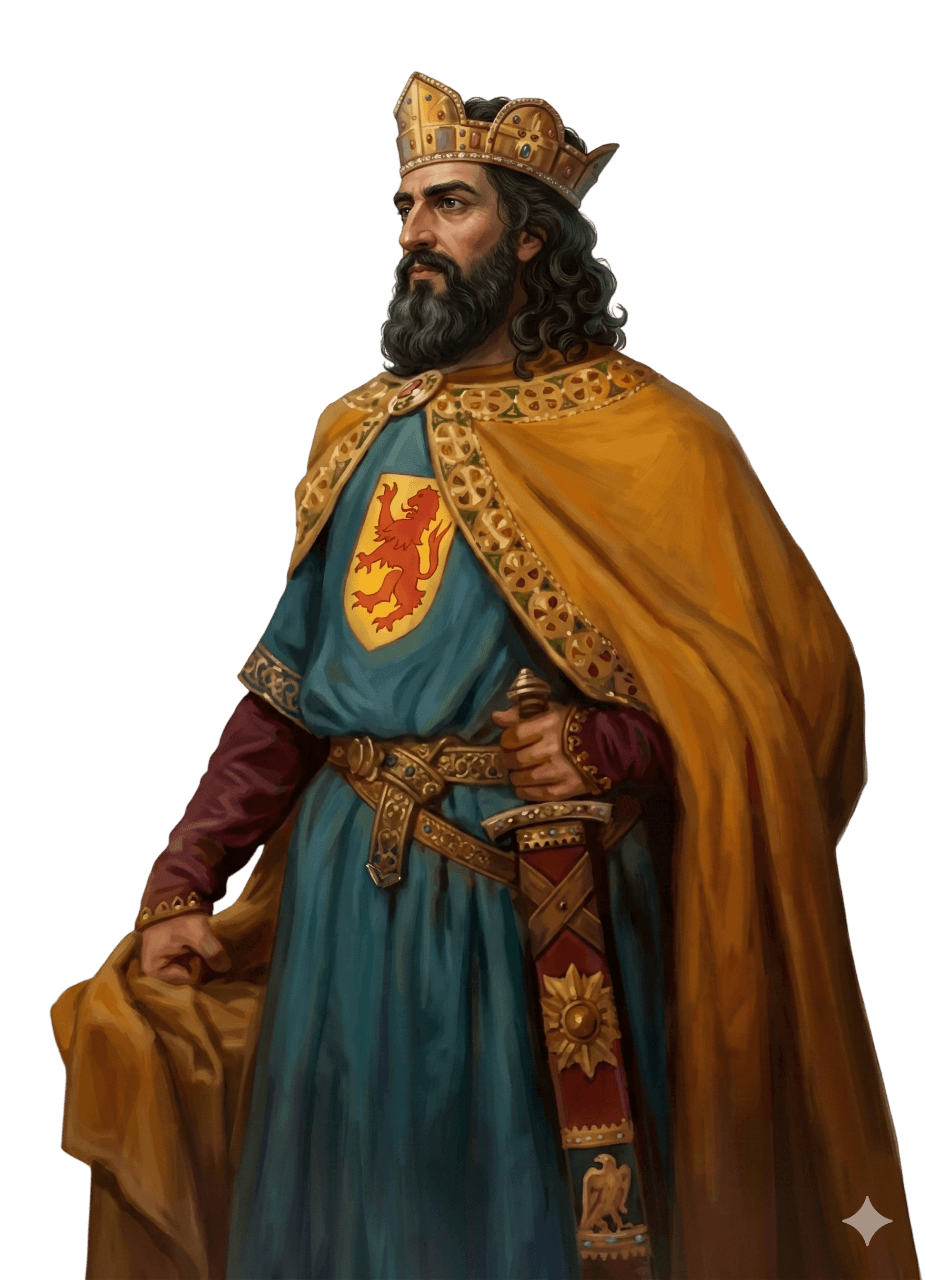
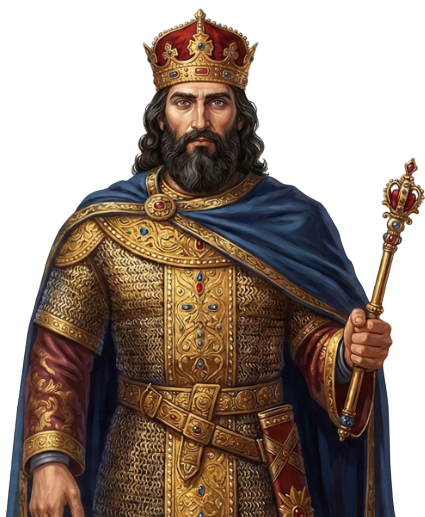
Leo I reigned from 1129 to 1137 AD as the fifth Lord of Cilician Armenia (Kilikia), succeeding his brother Thoros I. A forceful and ambitious leader from the Rubenid (Rubinyan) house, he sought to throw off the Byzantine yoke and establish himself as an independent monarch. He significantly expanded Armenian territory by liberating the Cilician Plains and Mediterranean coastal regions, including the strategic cities of Adana, Msis, and Mamistra. His reign was defined by complex shifting alliances and a three-front struggle against the Byzantine Empire, the Latin Principality of Antioch, and the Danishmendid Turks. Known to his enemies as the "new Ashtahag" for his martial ferocity, he was eventually captured through Byzantine treachery in 1137 AD. Leo I died in captivity in Constantinople in 1140 AD, but his resistance laid the groundwork for the future restoration of the Armenian state by his son.
Leo I reigned between 1129 and 1137 AD, taking control of the Rubenid (Rubinyan) domains at a time when the power balance in the Levant was rapidly shifting. Rejecting his status as a Byzantine subordinate, Leo launched a series of aggressive campaigns to conquer Plains Cilicia (Dashitayin Kilikia). To secure his independence, he engaged in pragmatic diplomacy with the Danishmendid Emir Ghazi, the primary rival of the Byzantines, and even provided refuge to Isaac Comnenus, a rebel against the Byzantine Emperor John II. Contemporary Byzantine chroniclers, such as Michael Italicus, described him as an "usurper" who refused to acknowledge imperial authority and dared to style himself as a king, signaling a definitive break from the Deaboli Treaty of his predecessors.
Rivalry and Reconciliation with the Crusaders
The relationship between Leo I and the Frankish (Crusader) lords was marked by both cooperation and violent dissension, primarily over the control of the Amanus strongholds and the Gulf of Alexandretta. In 1136 AD, Raymond of Poitiers, the Prince of Antioch, realized he could not defeat Leo on the battlefield and resorted to capturing him through treachery. To secure his release, Leo was forced to pay a massive ransom of 60,000 gold pieces and cede the cities of Msis and Adana. However, shortly after his release, Leo reorganized his forces, defeated Raymond, and reclaimed the lost territories. Realizing that the advancing Byzantine army posed a far greater threat to both their realms, the Armenian prince and the Latin crusaders eventually forged a defensive alliance to protect the independence of the southern highlands.
The Byzantine Invasion and the Pride of a Captive
In July 1137 AD, the Byzantine Emperor John II Comnenus launched a massive retaliatory invasion, capturing the principal Armenian strongholds of Vahka and Anazarbus. Surounded by imperial forces, Leo I was forced to surrender along with his wife and his sons, Ruben and Thoros. The royal family was sent in golden chains to Constantinople, where they were initially imprisoned before being moved to the imperial court under heavy surveillance. Tragedies followed in exile; his eldest son Ruben was murdered by envious Byzantine nobles, and Leo himself died of grief in 1140 AD. Though his reign ended in captivity, his legacy of ferocity and refusal to bow survived, as his son Thoros II would eventually escape the imperial capital to restore the Armenian crown.
Royal Record
Family & Notes
Children: Toros II, Mleh, Stepan. Notes: Captured by Byzantine Emperor John II Komnenos and died in captivity in Constantinople.
Wars & Battles
3 Wars: 1. War against John II Komnenos (1137); 2. Capture and imprisonment; 3. Turkish border wars.
War Record
1 Won / 2 Lost
Territory Size
c. 60,000–70,000 km2km^2km2
Allied Rulers
Crusader States
“The legacy of Leo I Prince endures through the centuries — a testament to the enduring spirit of the Armenian people and their unbroken pursuit of sovereignty, culture, and faith.”
Continue the Journey