Toros I
Prince
Rubenid Dynasty — 1100–1129 AD
Armenian Kingdom of Cilicia
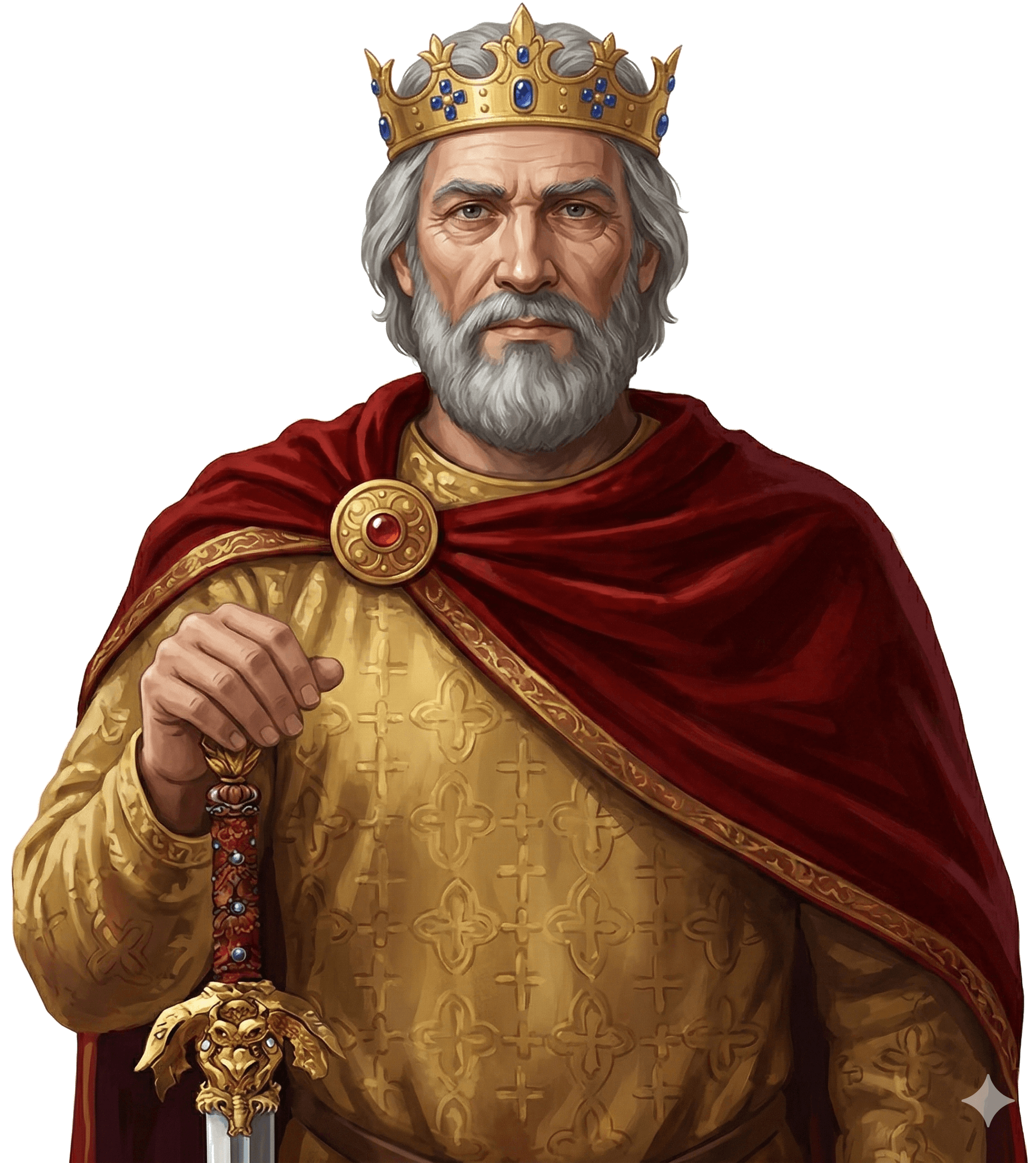
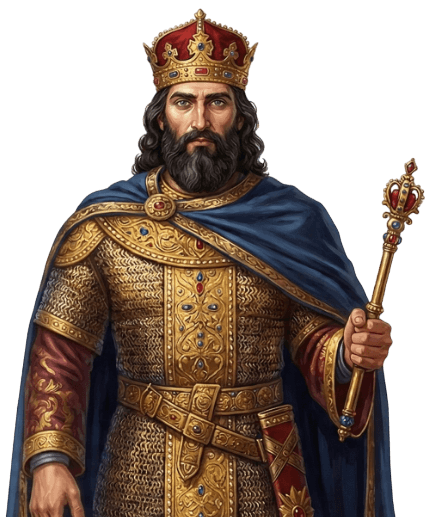
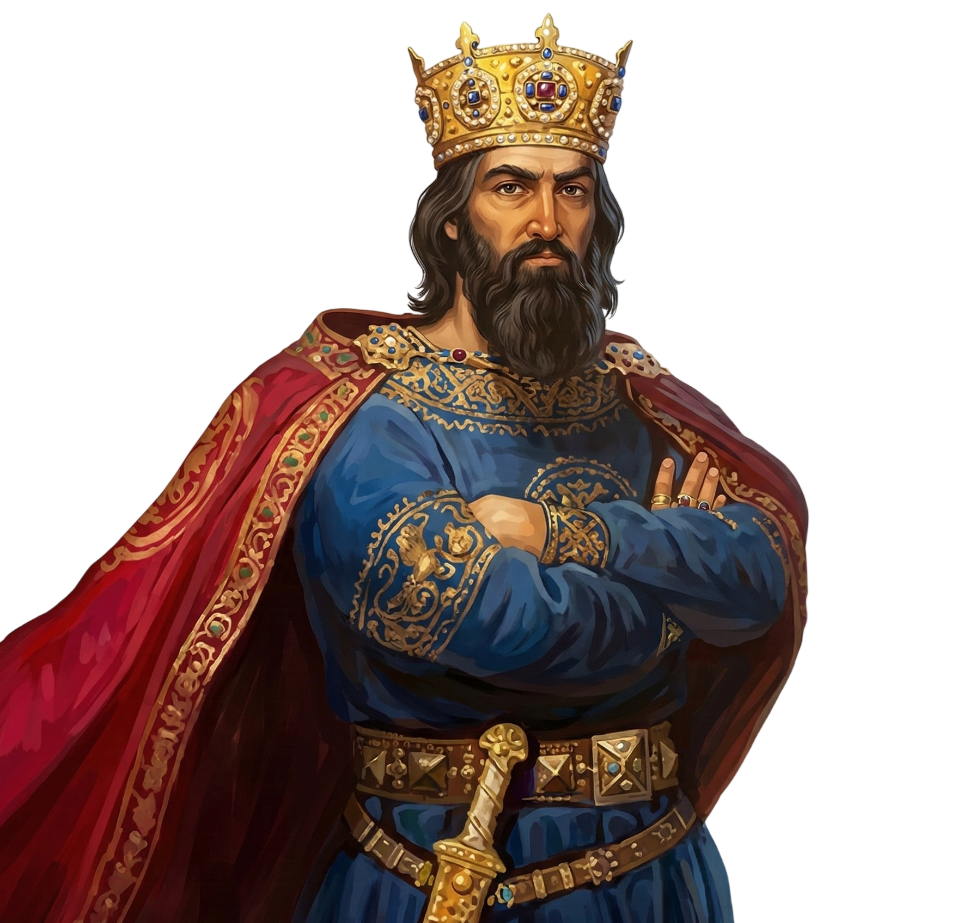
Thoros I reigned from 1100 to 1129 AD as the third Lord of Cilician Armenia (Kilikia), succeeding his father, Constantine I. During his early years, he successfully expelled Byzantine forces from the region and unified the territories of the Cilician Plain. To secure his eastern frontiers against neighboring Muslim emirates, he formed a strategic alliance by marrying his daughter, Arta, to Duke Baldwin II of Edessa. His reign was characterized by extensive architectural development and military vigilance. He seized and rebuilt the formidable strongholds of Anazarbus and Sis, fortifying them with massive round towers and tall circuit walls that established Rubenid authority. Thoros I also gained historical fame for avenging the murder of the last Bagratid King, Gagik II, by capturing the Byzantine lords of Kyzistra. He concluded his reign as a recognized sovereign with the title of Sebastos and established the Drazark Monastery as the royal mausoleum.
Thoros I reigned between 1100 and 1129 AD, leading the Rubenid (Rubinyan) dynasty through a period of rapid territorial expansion and architectural renewal. Encouraged by Tancred, Prince of Antioch, Thoros moved his forces along the Pyramus (Ceyhan) River to seize the supposedly impregnable strongholds of Anazarbus and Sis. He transformed these sites into massive military bastions, constructing tall circuit walls and round towers that established a new standard for defensive architecture. A monumental inscription at Anazarbus, dated around 1111 AD, preserves his triumph and meticulously traces his Rubenid genealogy, asserting the legitimacy of the highland lords in their new Mediterranean domain.
The Vengeance for the Anointed King
One of the most defining moments of Thoros I's reign was his pursuit of justice for the fallen Bagratuni monarchy. He targeted the Byzantine lords known as the Mandal brothers, who had assassinated King Gagik II decades earlier. After seizing their fortress of Kyzistra at the foot of the Taurus mountains, Thoros commanded the brothers to produce the sword and royal garments of the murdered king. Historical records describe a poignant scene where Thoros and his warriors wept at the sight of the artifacts before executing the assassins. By taking this blood revenge, Thoros sought to rectify the historic insult to the Armenian nation and honor the legacy of his grandfather, Ruben I, who had served as a general under the martyred king.
Defending the Highland Borders
The sovereignty of Cilician Armenia (Kilikia) was frequently tested by incursions from the Seljuqs of Rum. In 1107 and 1108 AD, Thoros collaborated with the local Armenian lord Kogh Vasil to crush invading Turkish forces near the plain of Marash. While he maintained a vigilant defense against the Turks, his relationship with the Byzantine Empire was one of pragmatic diplomacy. By accepting the high imperial title of Sebastos, Thoros transitioned from a rebel lord to a recognized governor, which allowed him to rule the highlands as his de facto property under a legal imperial veil. He spent his final years as a great patron of faith, building a cathedral in Anazarbus and establishing the Drazark Monastery near Sis as the eternal resting place for his royal house.
Royal Record
Family & Notes
Child: Leo I. Notes: Collaborated closely with Crusader leaders; expanded the principality into the Cilician plains.
Wars & Battles
5 Wars: 1. Byzantine Wars; 2. First Crusade alliance; 3. Capture of Mamistra; 4. Danishmend Turk war; 5. Crusader cooperation.
War Record
4 Won, 1 Draw
Territory Size
c. 40,000–60,000 km2km^2km2
Allied Rulers
Bohemond I of Antioch
“The legacy of Toros I Prince endures through the centuries — a testament to the enduring spirit of the Armenian people and their unbroken pursuit of sovereignty, culture, and faith.”
Continue the Journey