Vagharsh I
Arsacid Dynasty — 117-144 AD
Arsacid Dynasty
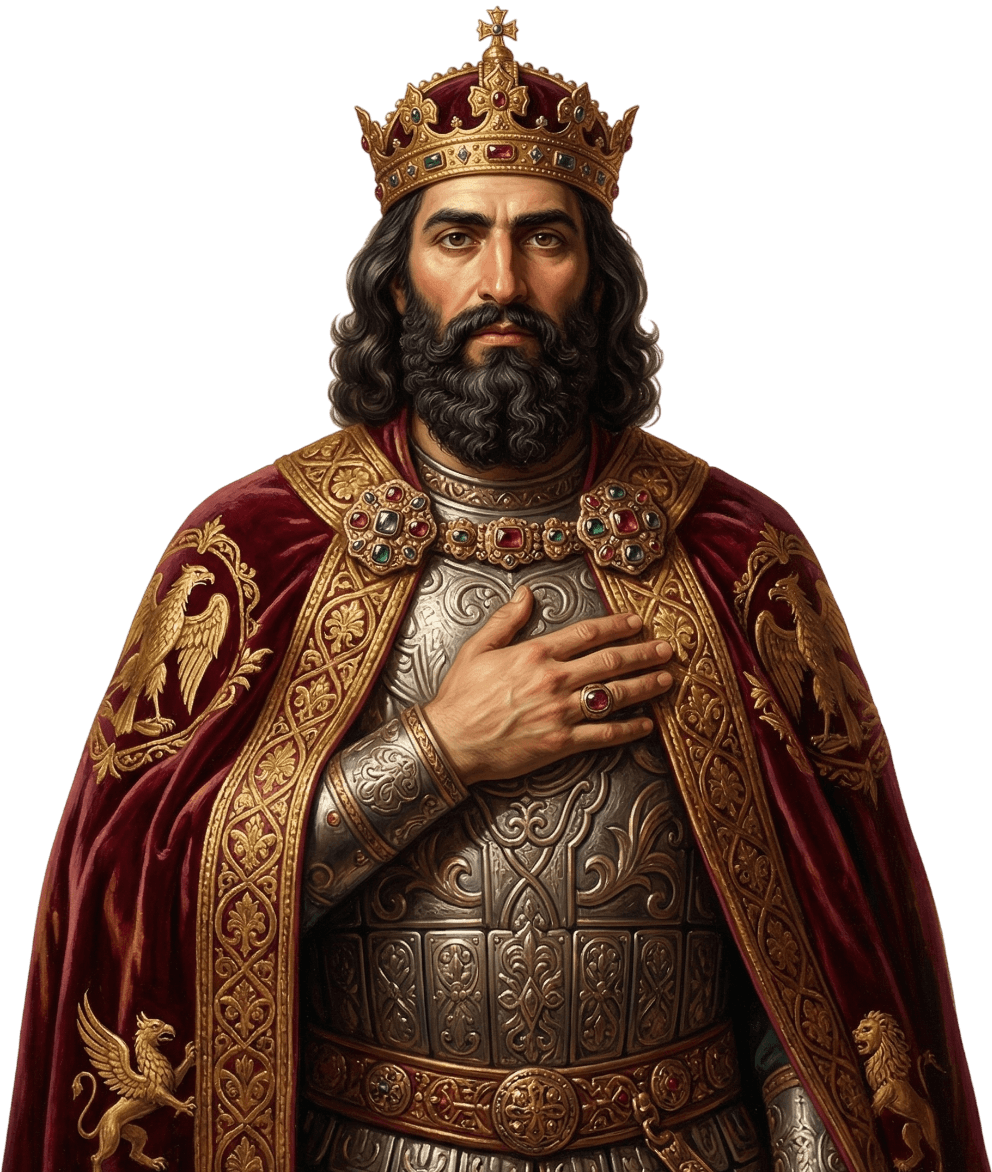
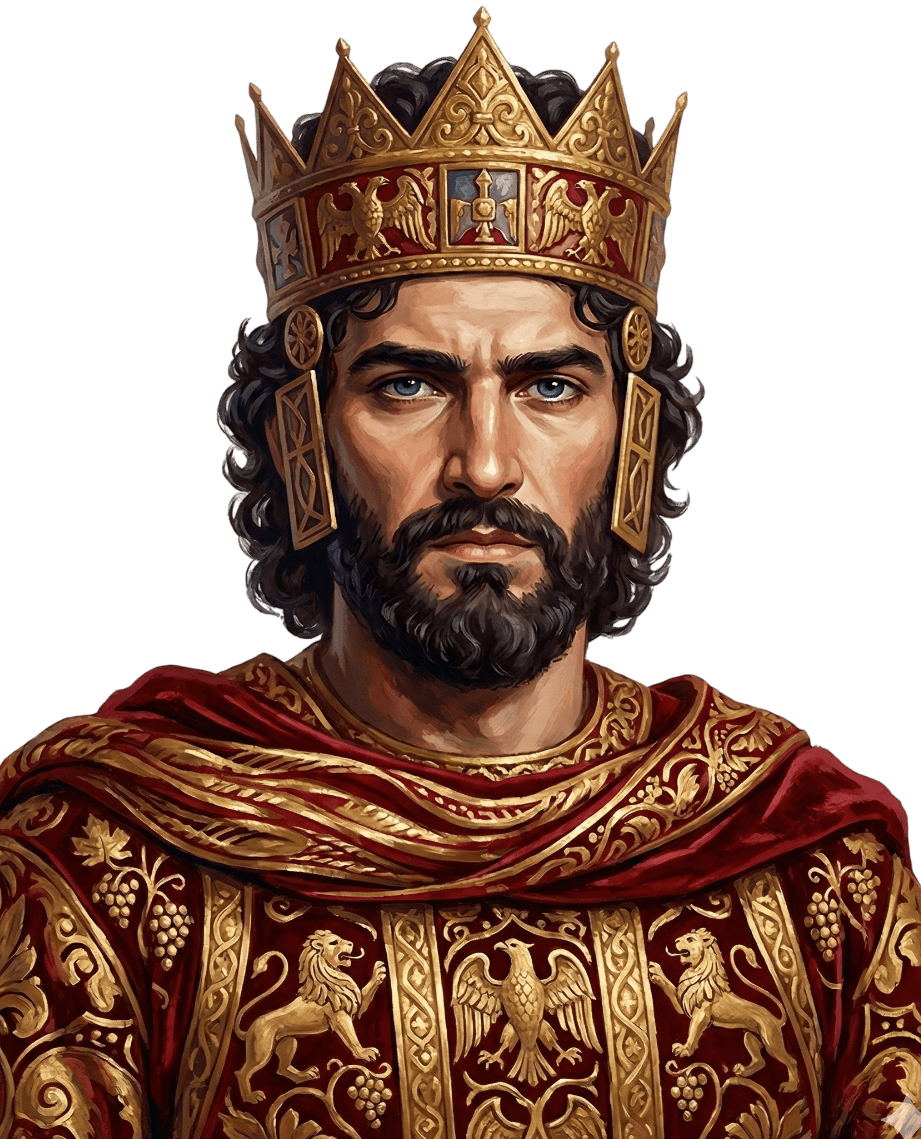
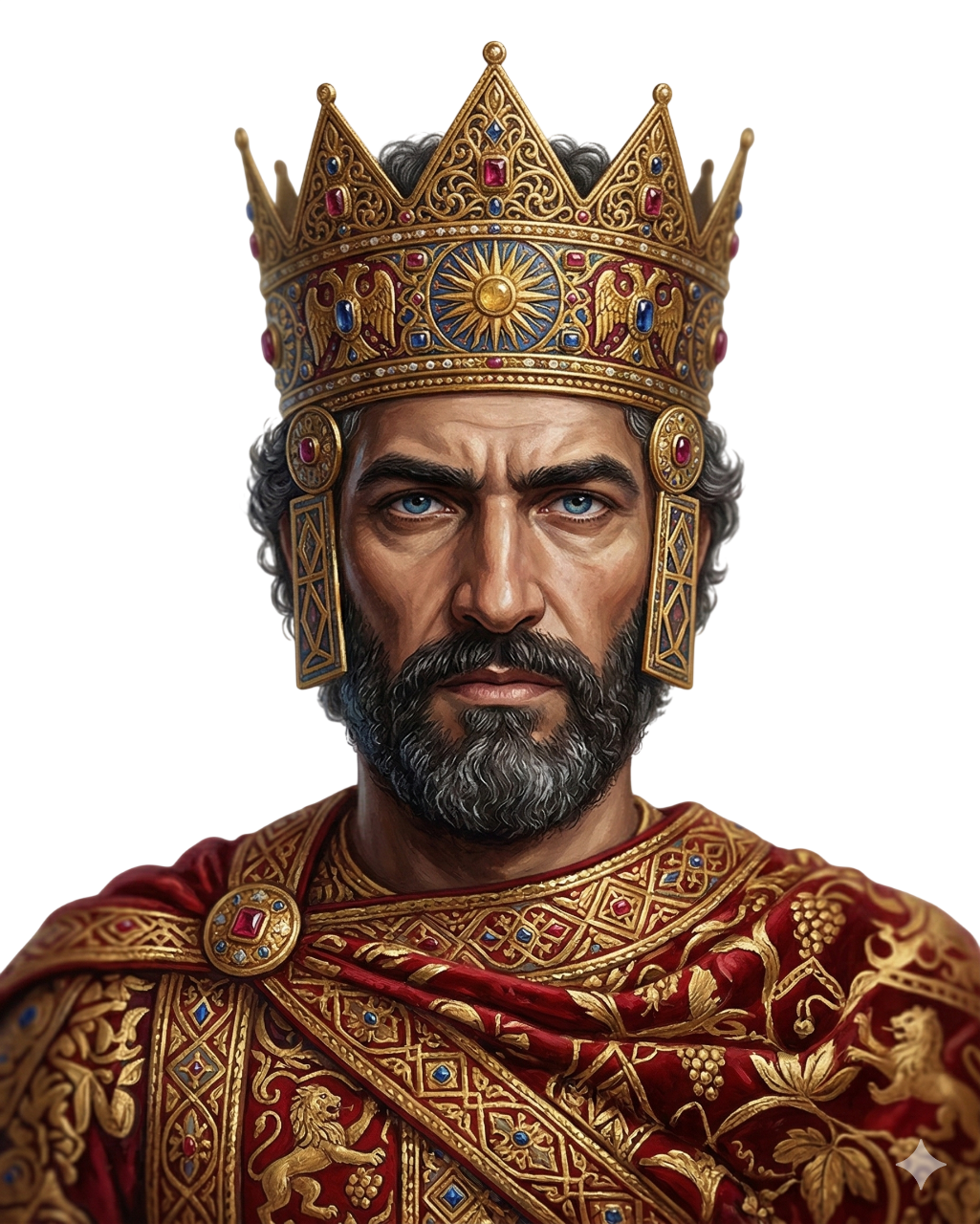
Vaghars I reigned from 117 to 140 AD as the monarch of the Kingdom of Armina (Greater Armenia) and the son of King Sanatruk. In the summer of 116, he led a successful liberation struggle against Roman occupiers, restoring Armenian independence with the support of the Parthian King Osroes I. Following the failure of Trajan’s expansionist policy, the new Emperor Hadrian recognized Vaghars’ sovereignty and withdrew Roman legions from the highlands. His reign was defined by a rare era of peace and large-scale architectural development across the Armenian heartland. He is most famously known for rebuilding the settlement of Vardkesavan into the royal city of Vagharsapat (Echmiadzin), which eventually became the capital, and for founding Vagharsavan in the province of Basen. He was eventually deposed by the Roman Emperor Antoninus Pius in favor of Sohaemus.
Vaghars I reigned between 117 and 140 AD, stepping into power during a critical turning point for the Arshakuni (Arsacid) dynasty. Following the aggressive expansion of the Roman Emperor Trajan, which had briefly turned the highlands into an imperial province, Vaghars I organized a massive liberation movement in the summer of 116. With the strategic backing of the Parthian King Osroes I, he successfully ousted the Roman garrisons and reclaimed the sovereign crown. By 117, the newly ascended Emperor Hadrian formally acknowledged Vaghars I as the independent King of Armenia, signaling a total retreat of Roman military influence from the Armenian heartland.
The Architecture of Peace
Under the rule of Vaghars I, the Armenian Highlands experienced a significant era of tranquility and civil construction. He focused his efforts on urbanization and the strengthening of the kingdom's cultural and administrative landscape. According to the historian Moses of Chorene, his most enduring achievement was the transformation of the ancient settlement of Vardkesavan into the magnificent city of Vagharsapat (Echmiadzin). This city would grow to become the capital of Greater Armenia for centuries. Additionally, he founded the city of Vagharsavan in the region of Basen, further expanding the royal network of the Kingdom of Ararat.
The Shift in Roman Policy
The long and stable reign of Vaghars I eventually came to an end due to shifting political winds in the Roman Empire. While Hadrian had practiced a policy of recognition and non-interference, his successor, Antoninus Pius, sought to exert more direct control over the kingdoms of the East. In approximately 140 AD, Vaghars I was deposed by the Roman authorities. In his place, the Romans installed Sohaemus, a monarch more aligned with the imperial interests of Rome. Despite his forced removal from the throne, Vaghars I left behind a revitalized kingdom and a legacy of urban development that redefined the political center of Armenian life.
“The legacy of Vagharsh I endures through the centuries — a testament to the enduring spirit of the Armenian people and their unbroken pursuit of sovereignty, culture, and faith.”
Continue the Journey