Sohaemus
Arsacid Dynasty — 144–161; 164–186 AD
Arsacid Dynasty
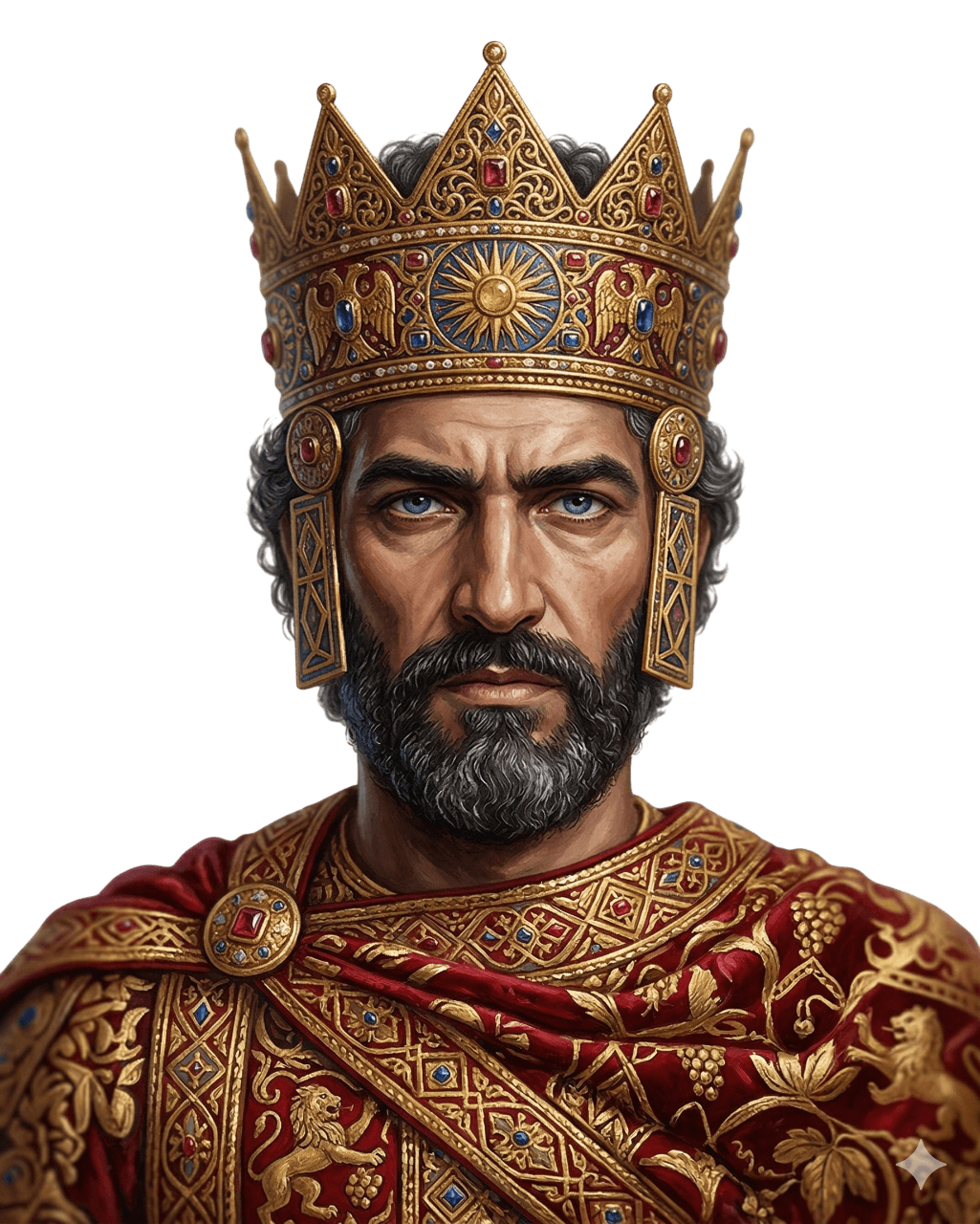
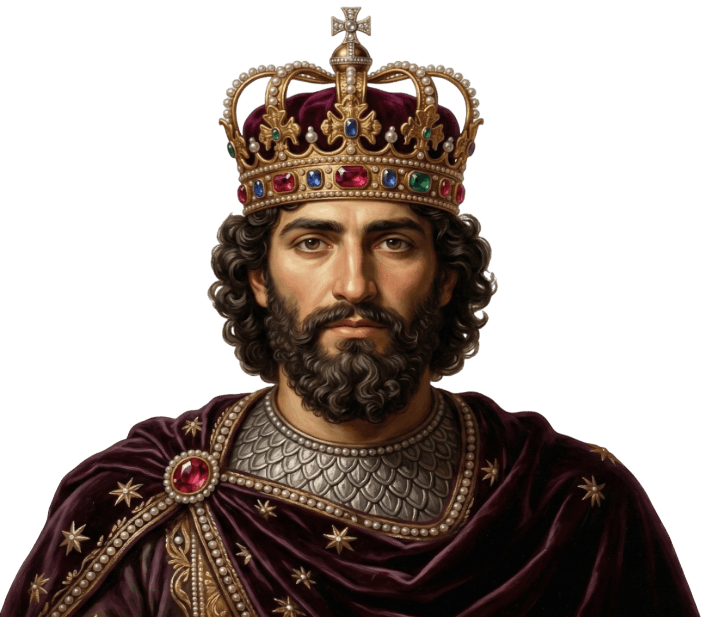
Sohaemus, also identified by the historian Moses Khorenatsi as Tigran the Last, reigned over the Kingdom of Armina (Greater Armenia) from 144 to 161 AD and again from 164 to 186 AD. A descendant of the Commagene branch of the Orontid dynasty and the royal house of Emesa, he was initially installed on the throne by the Roman Emperor Antoninus Pius, who commemorated the event with a medal inscribed "King given to the Armenians." His dual reign was defined by the third Roman-Parthian War and a decisive shift toward a pro-Roman political orientation. After being temporarily deposed by Parthian forces and serving as a senator in Rome during his exile, he was reinstated following a major Roman counter-offensive. He is most significantly remembered for moving the capital to Vagharsapat (Echmiadzin) and for fostering a court that became a sanctuary for prominent Hellenistic scholars and poets.
A Sovereign Between Two Worlds Sohaemus reigned between 144 and 161 AD during his first term, ascending the throne with the support of the Roman Emperor Antoninus Pius. His appointment was viewed as a violation of the Treaty of Rhandeia by the Parthians, as Sohaemus broke the traditional Armenian-Parthian alliance to align closely with the Roman Empire. Following the death of Antoninus Pius in 161 AD, a massive joint force of Parthian and Armenian troops led by Vaghars IV and the sparapet Trdat Bagratuni invaded the highlands. Sohaemus was forced to flee to Rome, where he spent his exile as a distinguished member of the Roman Senate, while the Parthians installed Bakur the Arsacid as the new monarch.
The Reconstruction of the Highland Capital
The second phase of Sohaemus's reign began in 164 AD, following a brutal Roman-Parthian war that left the old capital of Artaxata (Artashat) in ruins. Reinstated by the Emperor Marcus Aurelius after the campaigns of Statius Priscus, Sohaemus made the strategic decision to move the capital of the Kingdom of Armina (Greater Armenia) to Vagharsapat (Echmiadzin). Under his direction, the city underwent a massive transformation; he oversaw the construction of a powerful citadel, advanced defensive fortifications, and a grand palace complex accompanied by several pagan temples. This era of reconstruction stabilized the kingdom and established Vagharsapat as the political and cultural heart of the Armenian state for the next two centuries.
Hellenistic Patronage and the Final Legacy
Sohaemus was a celebrated patron of Hellenistic culture, and his court became a renowned center for literature and history. He provided refuge to the exiled poet and historian Iamblichus, who is believed to have composed his famous novel Babylonika while residing in the Armenian royal court. Despite the persistent pressure from Rome to convert the kingdom into a province, a popular uprising led by the prince Trdat ensured that Armenia maintained its status as a "consultative" allied kingdom. Upon his death in 186 AD, Sohaemus was succeeded by his son, Vaghars II, leaving behind a kingdom that had survived the plague and total war to emerge as a fortified center of Eastern Hellenism.
Royal Record
Family & Notes
Notes: A Roman Senator of Armenian royal descent. Twice installed and twice deposed by Parthian forces.
Wars & Battles
2 Wars: 1. Roman-Parthian War (161-166); 2. Roman counter-offensive under Statius Priscus.
War Record
1 Won, 1 Lost
Territory Size
c. 300,000–320,000 km2km^2km2
Allied Rulers
Marcus Aurelius (Rome)
“The legacy of Sohaemus endures through the centuries — a testament to the enduring spirit of the Armenian people and their unbroken pursuit of sovereignty, culture, and faith.”
Continue the Journey