Bakur I
Arsacid Dynasty — 161-163 AD
Arsacid Dynasty
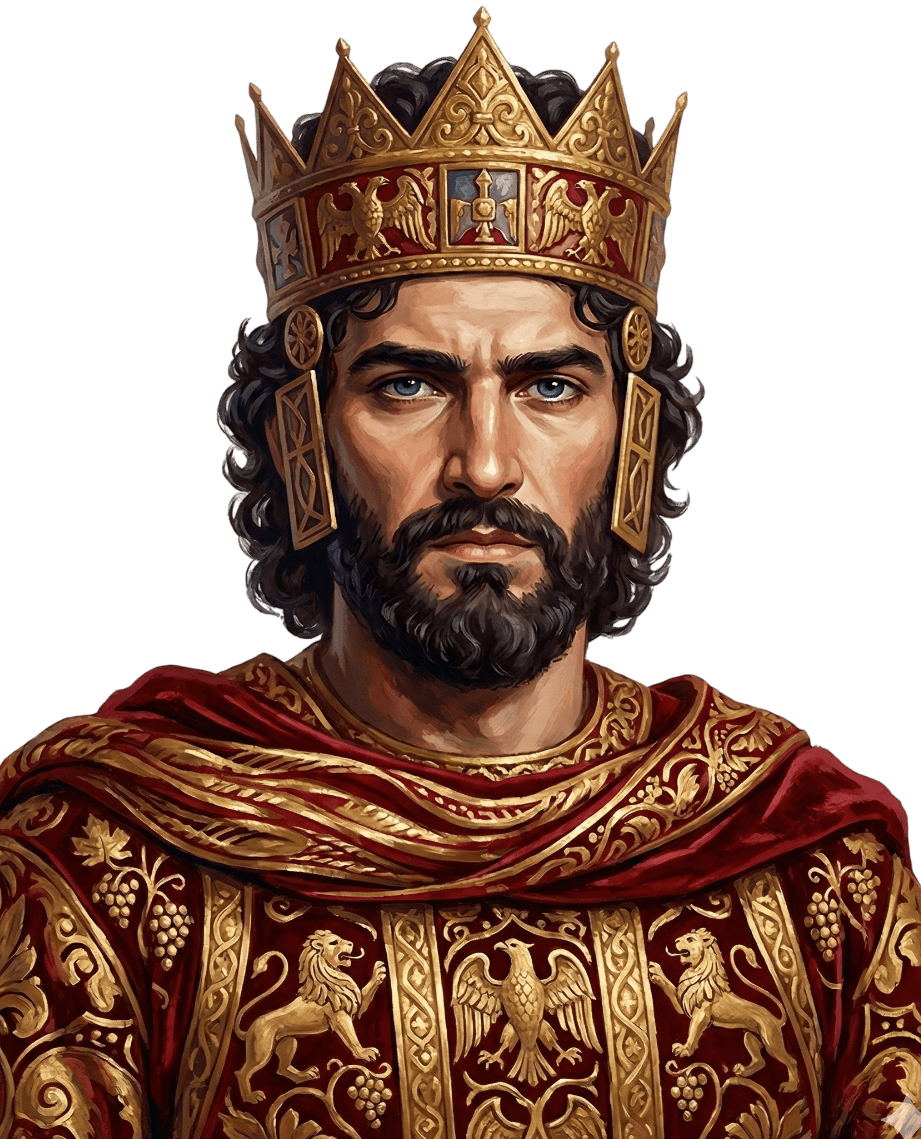
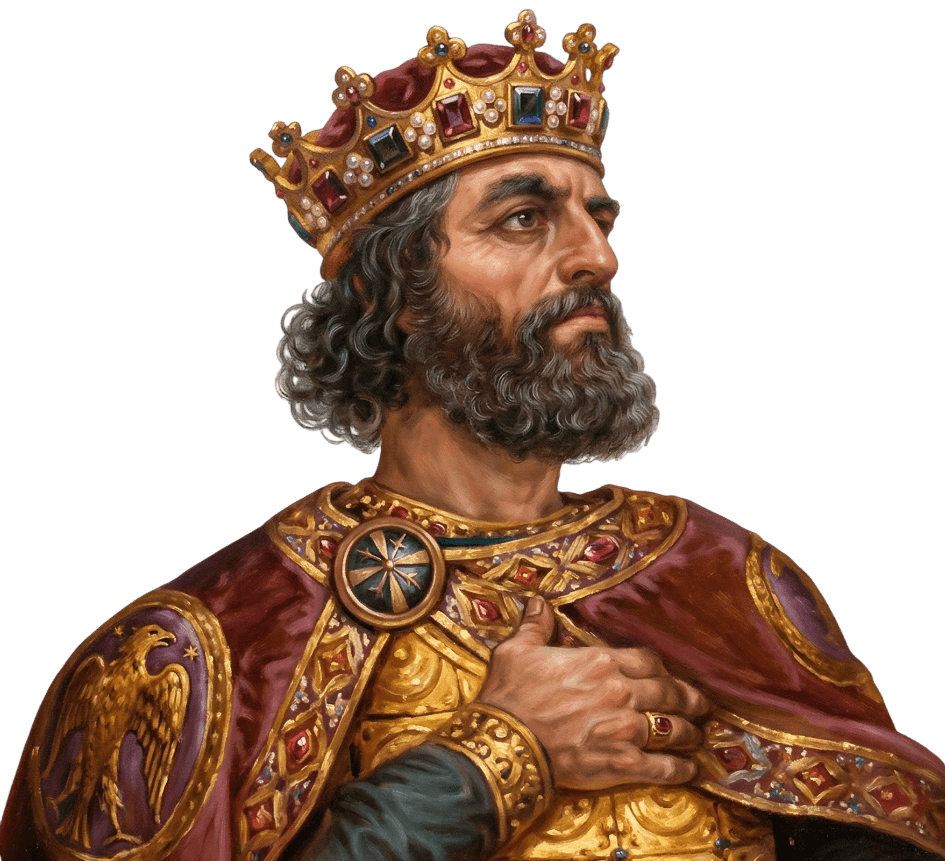
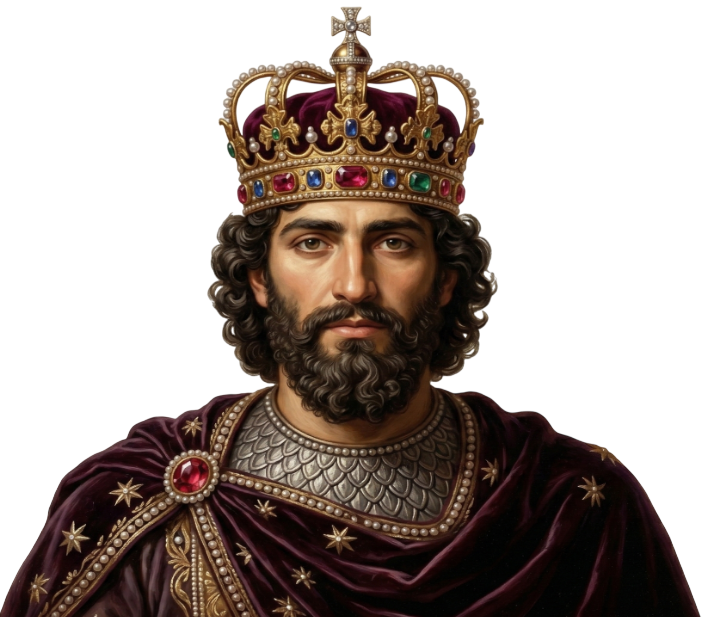
Bakur I, also known as Aurelius Pacorus, reigned from 161 to 163 AD as the King of Armina (Greater Armenia). A Parthian prince and the son of Vologases IV, he was installed on the throne by his father during the Roman-Parthian War after the Roman client-king Sohaemus was successfully expelled from the highlands. His brief reign came to an end when the Roman general Statius Priscus captured the capital of Artaxata (Artashat) and arrested the king. Following his deposition, Bakur was taken to Rome along with his brother Mithridates, where they were integrated into the Nerva-Antonine imperial house and granted Roman citizenship, though Bakur continued to formally claim the title of "King of Greater Armenia."
Bakur I reigned between 161 and 163 AD, assuming power during a peak of Parthian military influence over the Armenian Highlands. His father, the Parthian monarch Vologases IV, invaded the Roman client kingdom of Armenia in 161, removing the pro-Roman King Sohaemus and establishing Bakur as a Parthian client-monarch. Though his time on the throne was short, his presence represented a significant effort by the Parthian Empire to secure the heartland of Armina (Greater Armenia) as a sovereign buffer against the westward expansion of Roman legions.
The Fall of Artaxata and the Armenian Resistance
The kingship of Bakur was challenged in 163 AD by a massive Roman counter-offensive led by Lucius Verus and the general Statius Priscus. After fierce fighting, the Roman legions captured the capital of Artaxata (Artashat) and took Bakur into custody. While the Romans intended to abolish the native monarchy and convert the kingdom into an imperial province, a powerful Armenian uprising led by Prince Trdat forced the Emperor Marcus Aurelius to abandon these plans. Consequently, while Bakur was dethroned, the status of the highlands as an allied kingdom was preserved, though the crown was eventually returned to his rival, Sohaemus.
Exile and the Aurelian Legacy
The later years of Bakur’s life were defined by his transition from a highland monarch to a Roman aristocrat. Taken to the imperial capital by Lucius Verus, he and his brother, Mithridates (Aurelius Merithates), were granted Roman citizenship and adopted into the Aurelian family. A Greek funeral inscription found in Rome preserves his memory, where he is described as "Aurelius Pacorus, King of Greater Armenia." Despite his exile, he maintained his royal title and connections within the Roman senate, serving as a formal claimant to the Armenian throne until the end of his days in the imperial city.
“The legacy of Bakur I endures through the centuries — a testament to the enduring spirit of the Armenian people and their unbroken pursuit of sovereignty, culture, and faith.”
Continue the Journey