Vagharsh II
Arsacid Dynasty — 180-191 AD
Arsacid Dynasty
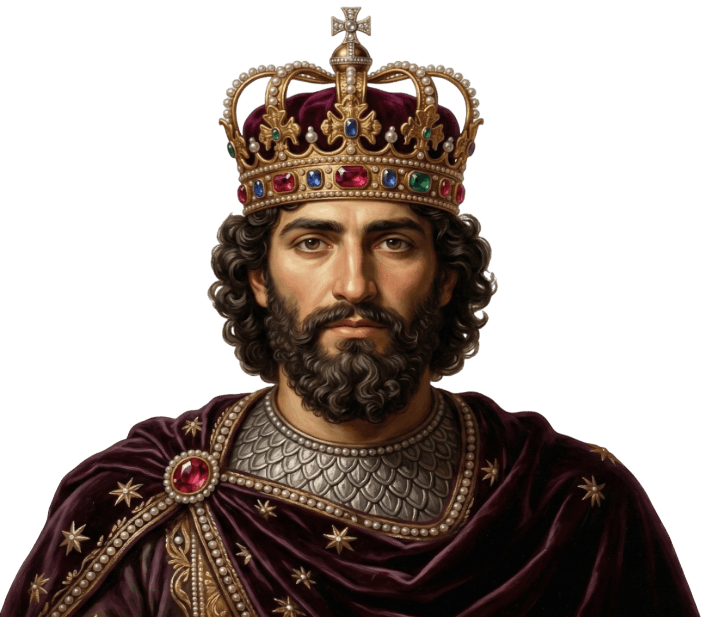
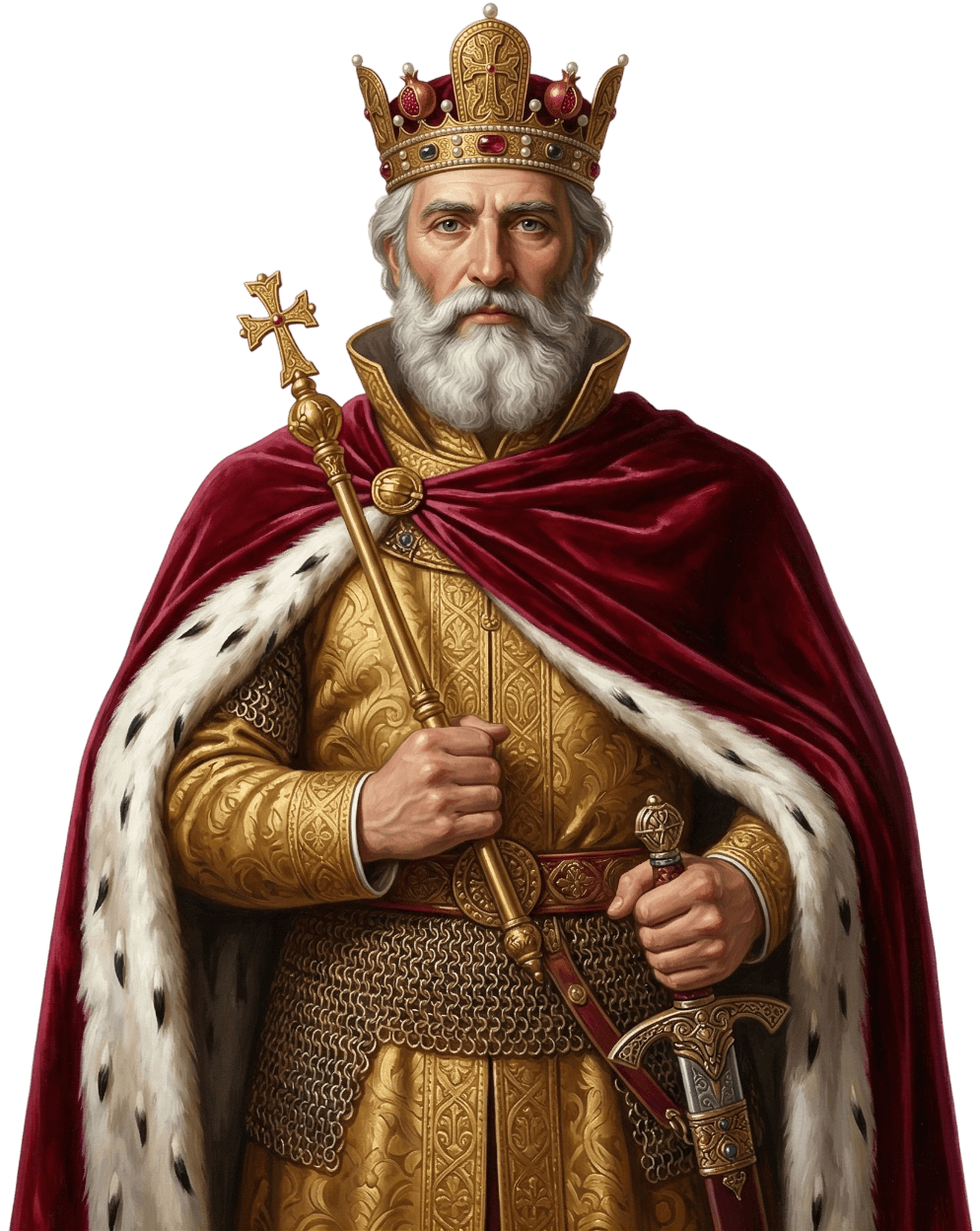
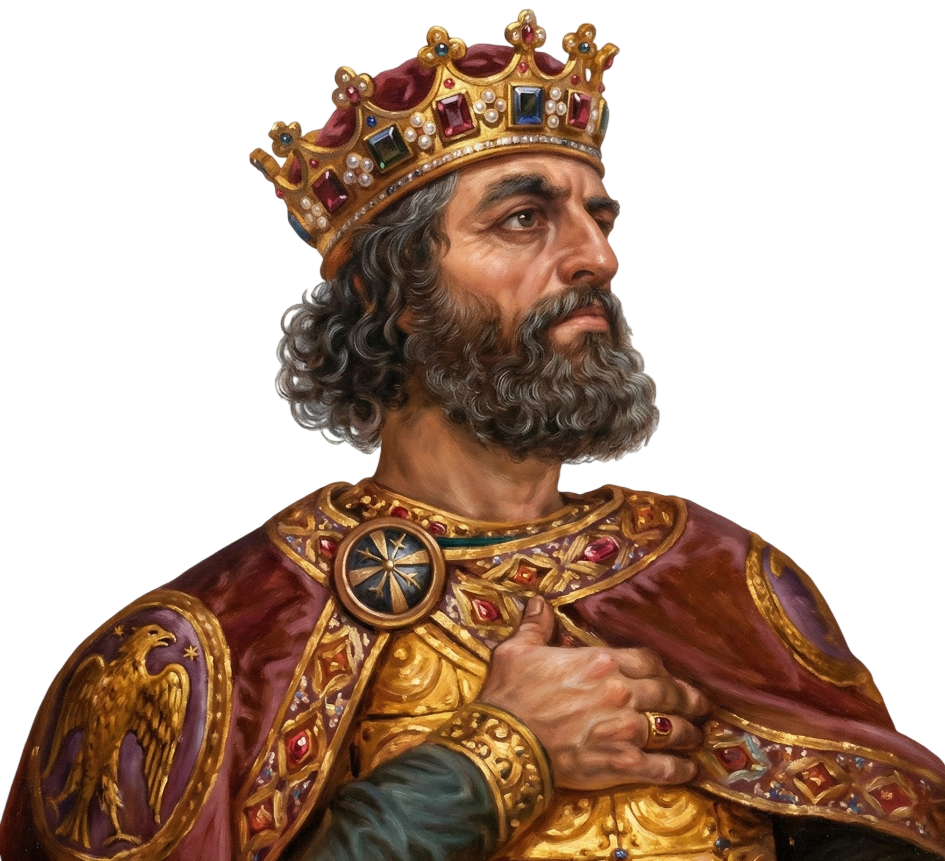
Vaghars II reigned from 117 to 140 AD as the monarch of the Kingdom of Armina (Greater Armenia) and the son of King Sanatruk. In the summer of 116, he led a successful liberation struggle against Roman occupiers, restoring Armenian independence with the support of the Parthian King Osroes I. Following the failure of Trajan’s expansionist policy, the new Emperor Hadrian recognized Vaghars’ sovereignty and withdrew Roman legions from the highlands. His reign was defined by a rare era of peace and large-scale architectural development across the Armenian heartland. He is most famously known for rebuilding the settlement of Vardkesavan into the royal city of Vagharsapat (Echmiadzin), which eventually became the capital, and for founding Vagharsavan in the province of Basen. He was eventually deposed by the Roman Emperor Antoninus Pius in favor of Sohaemus.
Vologases II (known as Vologases V) reigned between 180 and 191 AD, marking a fundamental shift in the political structure of the Arshakuni (Arsacid) dynasty within the highlands. Unlike the eight princes who preceded him, Vologases successfully converted the Armenian throne into a hereditary fief for his specific branch of the family. His reach extended beyond the Armenian borders; in 189 AD, he imposed his son Rev I on the throne of Iberia (Kartli), effectively establishing a dynastic presence that would govern the neighboring northern kingdom for nearly a century. This period of consolidation allowed him to solidify the internal stability of the Armenian state before ascending to the wider imperial stage.
The Transition to King of Kings
In 191 AD, following the death of his father, Vologases transitioned from the Armenian throne to become the King of Kings of the Parthian Empire. He abdicated the Armenian crown to his son, Khosrov I, and successfully navigated a contested succession, putting down a rival claimant in Media. His reign as the supreme Parthian monarch was immediately defined by a massive conflict with the Roman Emperor Septimius Severus. This war, lasting from 195 to 202 AD, saw the Roman legions advance deep into Mesopotamia, eventually resulting in the brief capture of the Parthian capital, Ctesiphon, in 199 AD and the annexation of Osroene as a Roman province.
The Turning Point of the Dynasty
The later years of his reign represented a critical turning point for the Arsacid world. While the Romans eventually withdrew from the heartland due to supply shortages and their inability to capture the Arab fortress of Hatra, the prestige of the central dynasty was severely diminished. This perceived weakness encouraged internal fragmentation, most notably in the southern region of Persis (Fars). By 205 AD, the local prince Pabag had seized the capital of Istakhr, signaling the rise of the power that would eventually overthrow the Parthian order. Vologases died in 208 AD, leaving behind an empire under pressure, yet his legacy in Armenia remained unshaken, as his descendants continued to hold the highland crown as a stable buffer against the changing tides of the Near East.
“The legacy of Vagharsh II endures through the centuries — a testament to the enduring spirit of the Armenian people and their unbroken pursuit of sovereignty, culture, and faith.”
Continue the Journey