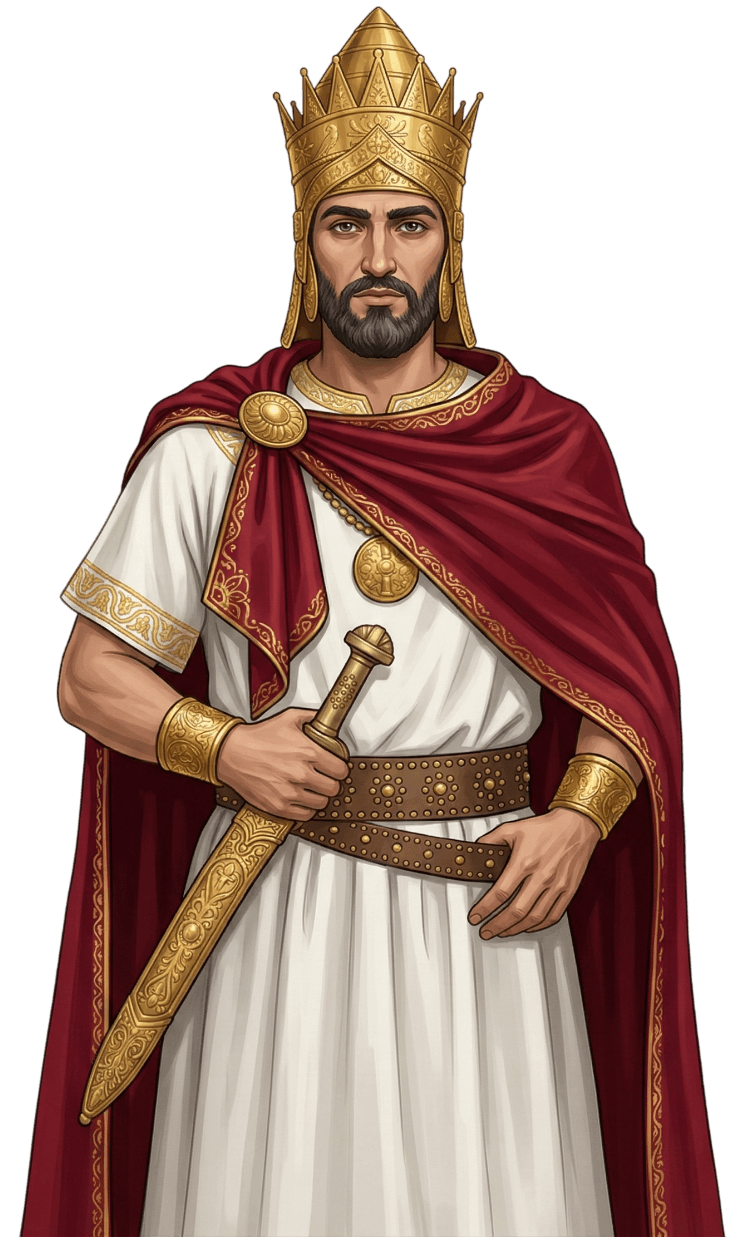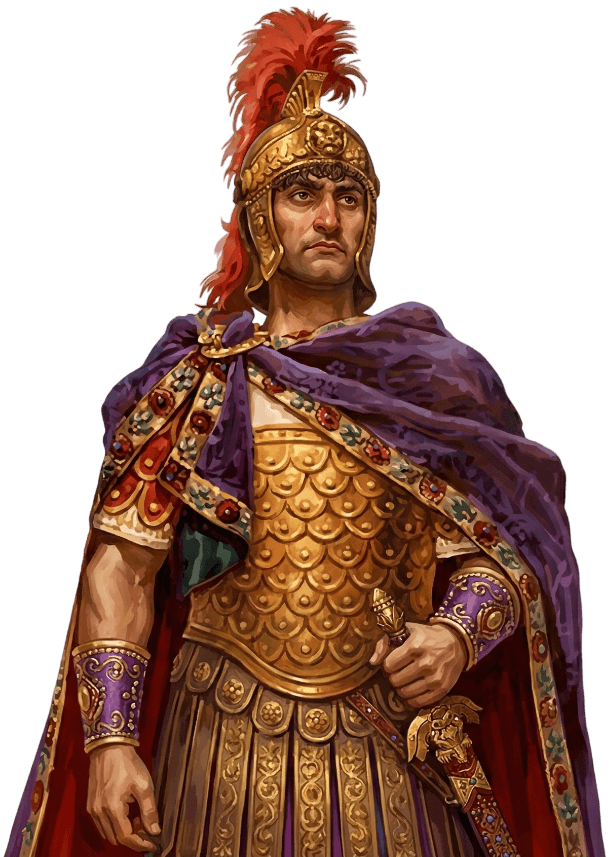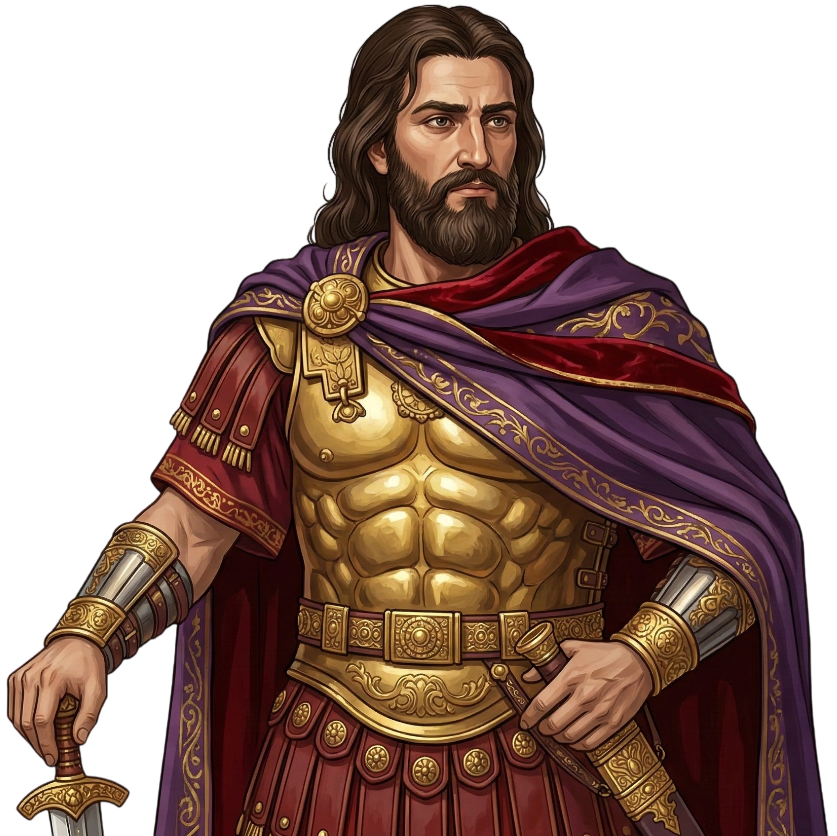
Artaxes II
Artaxiad Dynasty — 34–20 BC
Artaxiad Dynasty
Artaxias II reigned from 30 to 20 BC as the eldest son of Artavasdes II and the last powerful representative of the Artaxiad dynasty. After his father was captured and taken to Egypt by Mark Antony, Artaxias II escaped to the court of Phraates IV of Parthia, where he formed a military alliance and married the Parthian king's daughter to prepare for the liberation of his homeland. In 30 BC, he successfully drove out the Roman forces and reclaimed the throne in Artaxata (Artashat), assuming the title of "King of Kings." His reign was defined by an uncompromising anti-Roman stance, characterized by the massacre of Roman garrisons and traders across the kingdom. He successfully expanded the state's influence by conquering Media Atropatene, but his defiant policies eventually led to a Roman-backed conspiracy that resulted in his assassination in 20 BC.
Artaxias II reigned between 30 and 20 BC, coming to power during one of the most turbulent periods in the history of the Kingdom of Armina (Greater Armenia). Following the capture of his father by Mark Antony, Artaxias led the Armenian royal guard into exile in Parthia to avoid Roman imprisonment. Under the protection of King Phraates IV, he reorganized his forces and utilized the chaos of the Roman civil war between Octavian and Antony. In a decisive campaign, he defeated the Roman-aligned Artavasdes of Media Atropatene and liberated the Armenian Highlands, restoring the sovereign line of the Artaxiads. His coronation in Artaxata was marked by the minting of coins bearing the title "King of Kings," signaling a return to the absolute independence established by his grandfather, Tigranes the Great.
Vengeance and Diplomatic Friction
The foreign policy of Artaxias II was driven by a deep-seated enmity toward the Roman Republic, fueled by the execution of his parents in Alexandria. Upon securing his throne, he ordered a total massacre of all Roman garrisons and traders remaining in the kingdom—an act that defined his reign as a period of intense hostility toward Rome. When Artaxias sent emissaries to the Emperor Augustus in 29 BC to negotiate the release of his brothers, Tigranes and Artavasdes, the request was flatly refused. Augustus cited the slaughter of Roman citizens as the primary reason for his refusal, though his underlying goal was to maintain the Armenian princes as diplomatic hostages to eventually destabilize Artaxias’ rule.
The Fall of the Last Strong Artaxiad
By 20 BC, the diplomatic isolation of the Armenian Highlands became critical. While Artaxias had unified Armenia and Media Atropatene, the Roman Empire began a campaign of encirclement, instigating neighboring kingdoms such as Cappadocia and Iberia against the Armenian state. When Phraates IV of Parthia signed a separate peace treaty with Augustus, Artaxias was left without his primary ally. Fearing a massive Roman invasion led by Tiberius, a faction of the Armenian nobility entered into a palace conspiracy. Before the Roman legions could reach the capital, Artaxias II was murdered within his own palace in Artaxata. His death marked the beginning of the end for the Artaxiad dynasty, as Rome successfully installed his Hellenized brother, Tigranes III, as a client-king.
Royal Record
Family & Notes
Siblings: Tigranes III. Notes: Strongly anti-Roman; massacred Roman garrisons; eventually assassinated by his own pro-Roman nobles.
Wars & Battles
2 Wars: 1. Anti-Roman revolt (34 BC); 2. Roman expedition under Tiberius (20 BC).
War Record
1 Won, 1 Internal Defeat
Territory Size
c. 350,000 km2km^2km2
Allied Rulers
Phraates IV (Parthia)
“The legacy of Artaxes II endures through the centuries — a testament to the enduring spirit of the Armenian people and their unbroken pursuit of sovereignty, culture, and faith.”
Continue the Journey