Artaxias I
The Builder
Artaxiad Dynasty — 189–160 BC
Artaxiad Dynasty
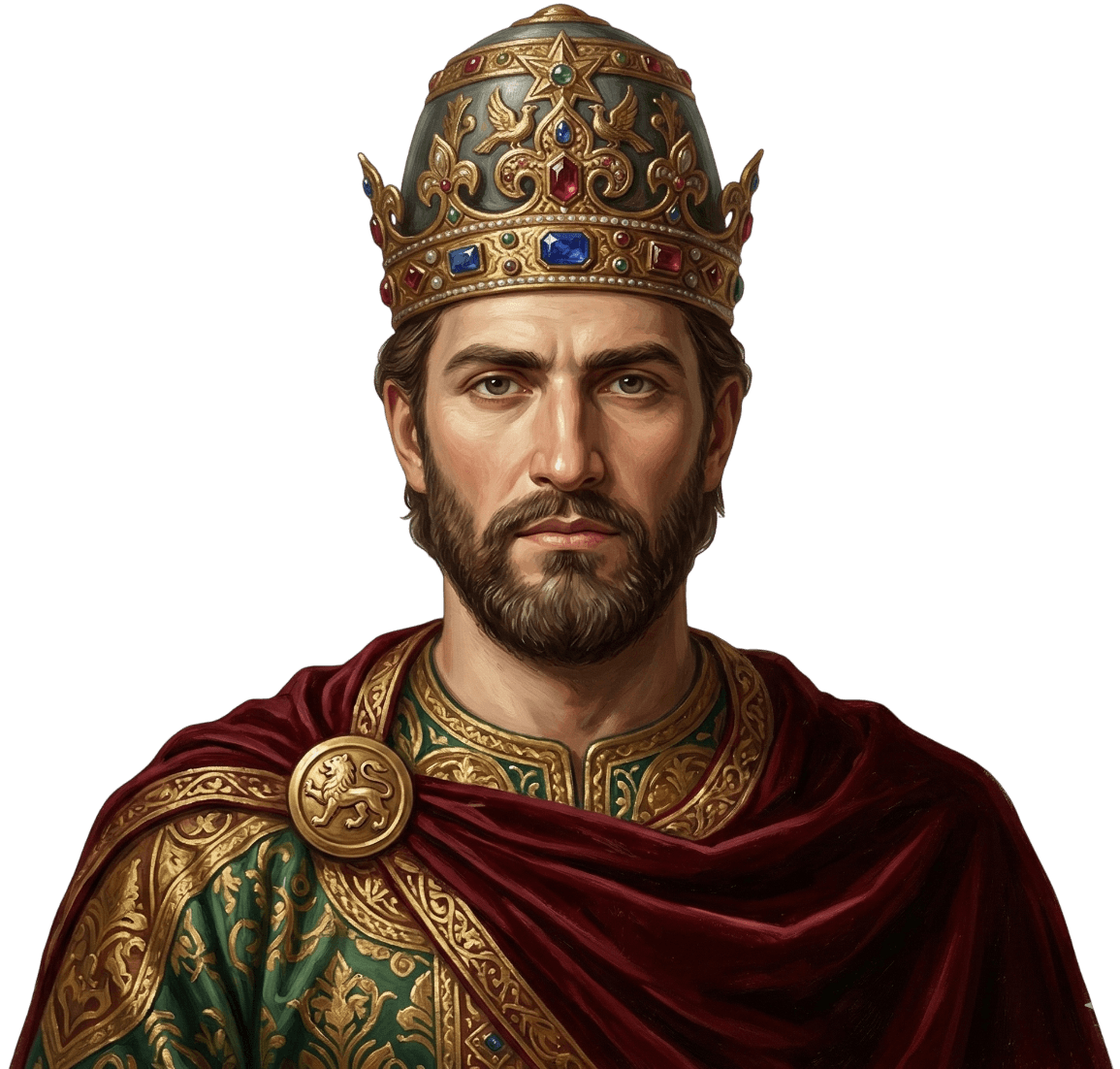
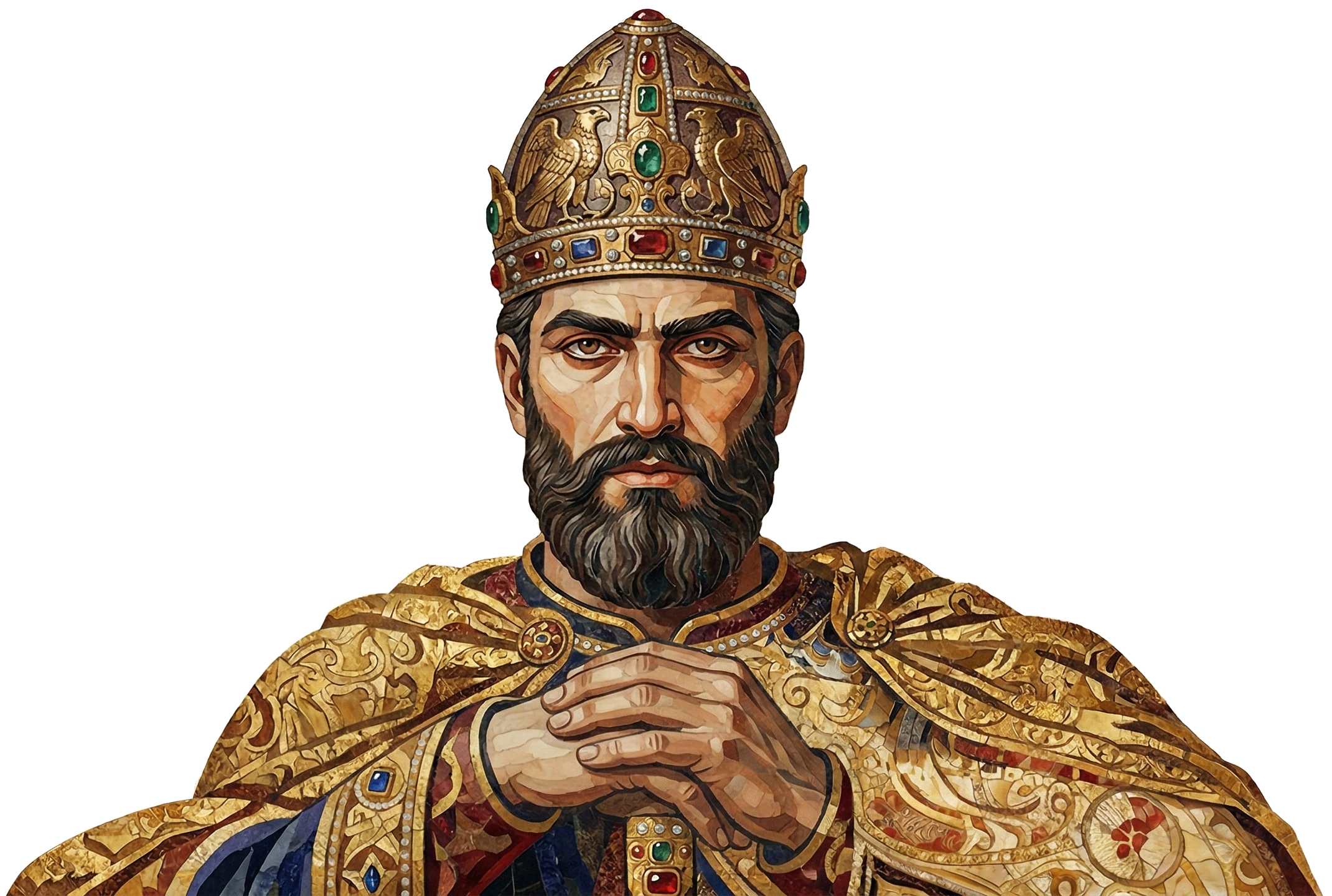
Artaxias I reigned from 189 to 160 BC as the founder of the Artaxiad dynasty and the first monarch of an independent Armina (Greater Armenia). A former governor under the Seleucids, he seized the opportunity to declare sovereign statehood following the Battle of Magnesia and later received formal recognition as an independent ruler from the Roman Senate. During his reign, he unified the Armenian Highlands by expanding his borders to the Kur River and the Caspian Sea, creating an ethnically homogeneous state. He is primarily remembered for his extensive administrative reforms, the placement of Aramaic agricultural boundary stones, and the founding of the legendary capital city of Artaxata (Artashat).
Artaxias I reigned between 189 and 160 BC, establishing a sovereign monarchy that modern scholars regard as the foundation of independent Armenian statehood. Following the Seleucid defeat at the Battle of Magnesia in 190 BC, Artaxias revolted and declared the independence of Armina (Greater Armenia), a move recognized by the Roman Senate in 188 BC. He embarked on a series of expansive conquests, reclaiming territories from the Iberians and Media Atropatene, effectively securing the Kura River as the kingdom's northern boundary. This vast unification resulted in a major cultural shift where the populations of the highlands began to speak a common language, Armenian.
The Foundation of Artaxata and Administrative Order
A central achievement of Artaxias’ reign was the founding of the city of Artaxata (Artashat) on the left bank of the Yeraskh (Araxes) River. This city, named the "joy of Artaxias," served as the kingdom's capital for centuries and quickly developed into a major commercial and cultural center. To populate the new capital, the king transferred residents and religious statues from the former centers of Armavir, Eruandashat, and Bagaran. Beyond urban construction, Artaxias ordered the delimitation of villages and farmlands across the country. This administrative feat has been physically confirmed by the discovery of numerous boundary stones inscribed in Aramaic, proving his role as the primary organizer of the highland economy.
The Legacy of the Conqueror and the Pious
The name Artaxias, meaning "he whose reign is through truth," is celebrated in the Armenian folk epic Vipasank as a figure of immense military and moral authority. Although he was briefly captured by the Seleucid King Antiochus IV in 165 BC, he maintained control over his realm and continued to influence regional politics as a mediator. He fostered a court that balanced inherited Achaemenid royal traditions with an emerging Greek influence. In folk tradition, his marriage to Satenik, princess of the Alans, remains a symbol of his legendary status. By the time of his death in 160 BC, Artaxias I had transformed a fractured province into a unified, ethnically homogeneous state that stood as a major power in the Near East.
Royal Record
Family & Notes
Wife: Satenik. Child: Artavasdes I. Notes: Founded the Artaxiad Dynasty; built the capital Artaxata with the help of the Carthaginian general Hannibal Barca.
Wars & Battles
5 Wars: 1. Independence from Seleucids; 2. Iberian War; 3. Colchis campaign; 4. Caucasian Albania; 5. Median border war.
War Record
4 Won, 1 Draw
Territory Size
c. 350,000–400,000 km2km^2km2
Allied Rulers
Hannibal Barca, Ptolemy VI
“The legacy of Artaxias I The Builder endures through the centuries — a testament to the enduring spirit of the Armenian people and their unbroken pursuit of sovereignty, culture, and faith.”
Continue the Journey