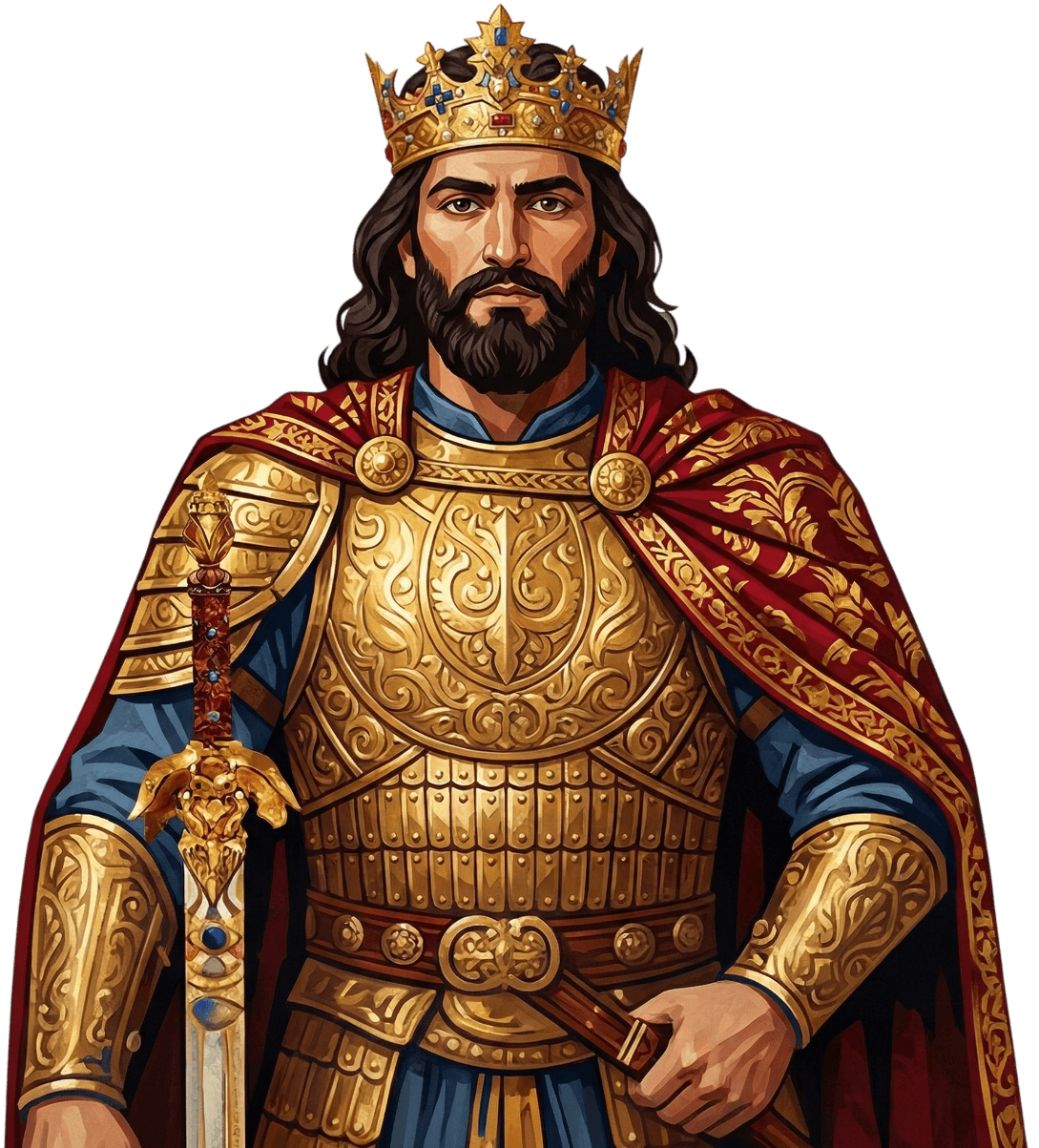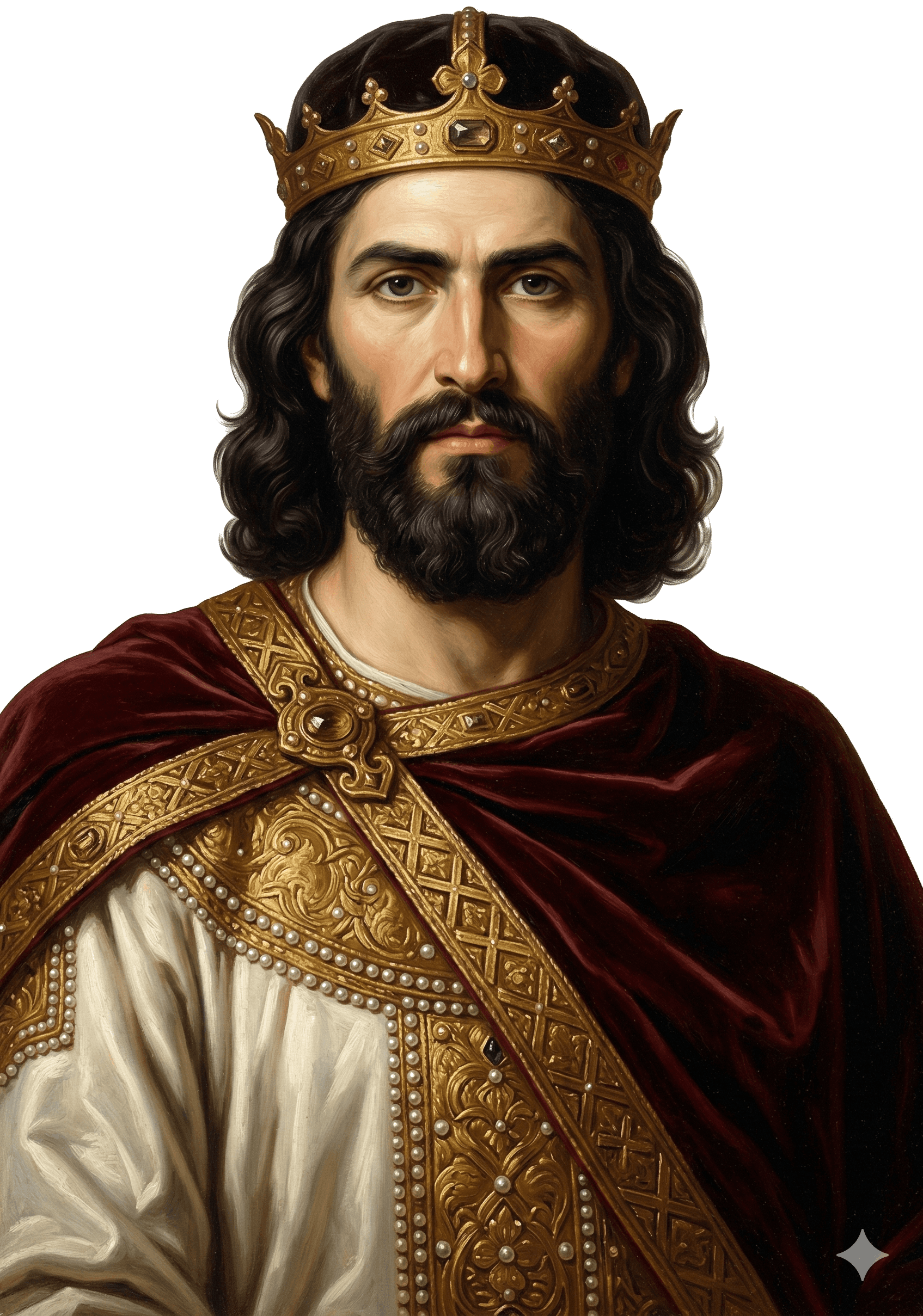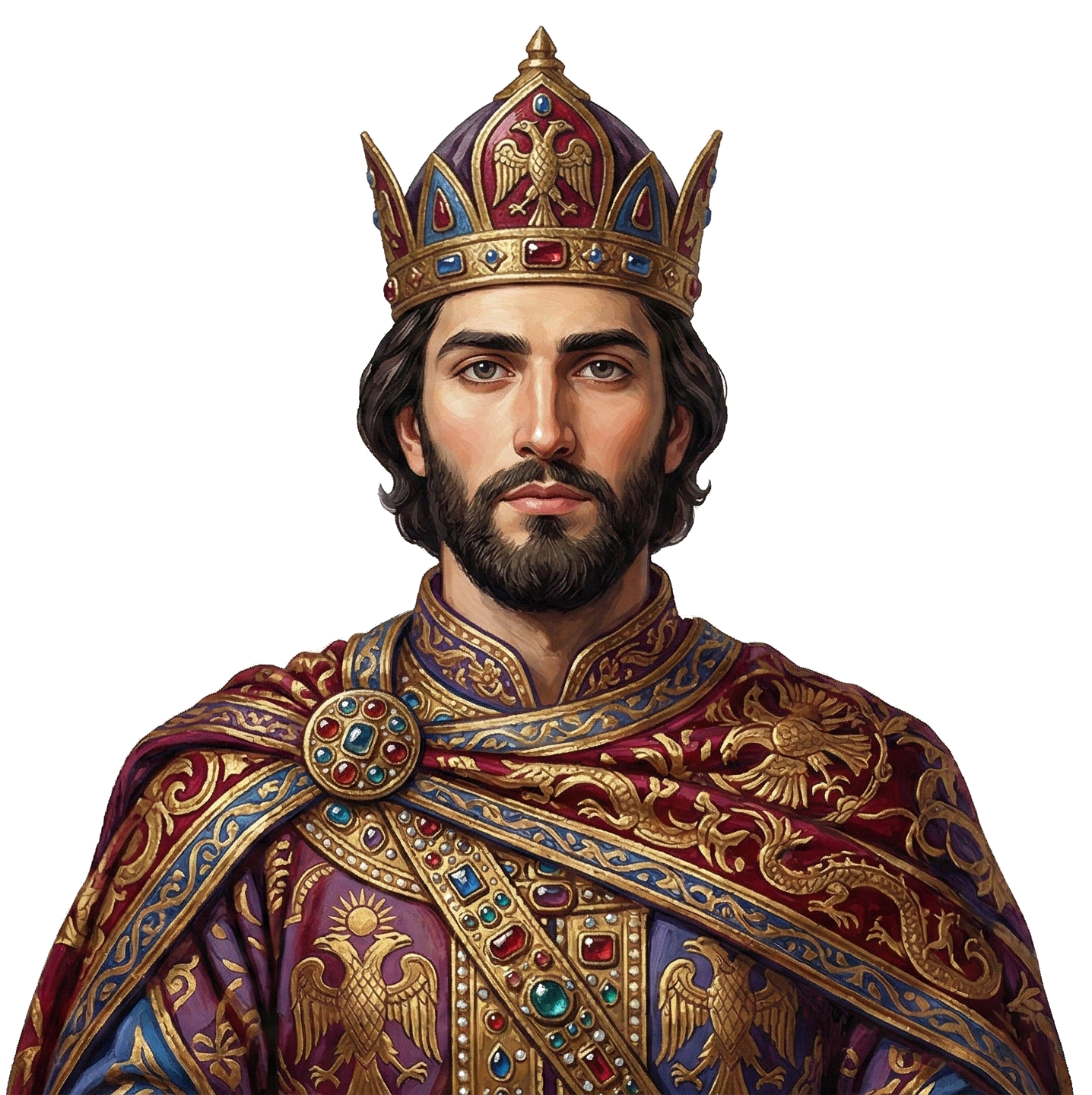
Artaxias IV
Last Arsacid
Arsacid Dynasty — 422–428 AD
Arsacid Dynasty
Artaxias IV (Artashes IV) reigned from 422 to 428 AD as the final monarch of the Arshakuni (Arsacid) dynasty in Armina (Greater Armenia). The son of King Vramshapuh, he was appointed to the throne by the Sasanian King Bahram V (Vram V) at the specific request of the Armenian nobility following a period of administrative uncertainty. His reign was defined by intense internal friction with the nakharars (nobles), who perceived the young king as inexperienced and overly inclined to a lavish lifestyle. In 428 AD, after being summoned to a tribunal in Tizbon (Ctesiphon), Artaxias IV was formally deposed. This act marked the permanent end of the Armenian Arshakuni kingdom, leading to the confiscation of the royal treasures and the reorganization of the highlands into a Sasanian marzpanate.
Artaxias IV (Artashes IV) reigned between 422 and 428 AD, serving as the final representative of the Arshakuni (Arsacid) royal house. His ascension was a result of a restrained and tolerant policy adopted by the Sasanian King Bahram V (Vram V), who sought to appease the Armenian nobility by granting them a native ruler. However, this appointment was a strategic maneuver; while the Armenians saw a restoration of their monarchy, Bahram V viewed it as a temporary measure before the eventual total absorption of Armina (Greater Armenia) into the Persian Empire to bolster the frontiers against Byzantine influence.
The Trial at Ctesiphon
The internal governance of Artaxias IV was marred by a widening rift between the crown and the nakharars. According to Armenian chroniclers, the king was a youth of "inexperience and inclined to a lavish life," whose conduct eventually triggered a formal protest from the noble class. The dissatisfied nobles petitioned the Sasanian court to remove the king from power. In response, Bahram V summoned Artaxias IV and the Catholicos Sahak Partev to the capital of Tizbon (Ctesiphon) for a judicial hearing. Although the king attempted to refute the various accusations of his subjects, the decision had already been finalized by the imperial court.
The Abolition of the Monarchy
The deposition of Artaxias IV in 428 AD brought a violent conclusion to centuries of Arsacid rule in the highlands. With his removal, the Armenian monarchy was formally abolished, and the state was transformed into a marzpanate—a province governed directly by Sasanian officials. The extensive royal treasures of the Arshakuni house were confiscated and taken to the Persian treasury. This transition represented a fundamental change in the political status of the Kingdom of Ararat, shifting the land from a sovereign allied kingdom to a subordinate administrative unit of the Sasanian Empire, a status that would define Armenian political life for generations to come.
Royal Record
Family & Notes
Notes: Last King of the Arsacid Dynasty. Deposed by Bahram V of Persia at the request of the Armenian nobles.
Wars & Battles
1 Event: Deposition and abolition of the monarchy in 428 AD.
War Record
0 Won / 1 Lost
Territory Size
c. 200,000 km2km^2km2 (East)
Allied Rulers
None
“With the deposition of Artaxias IV, the crown of the Arshakunis was taken to Tizbon—marking the moment a kingdom of centuries became a province of the East.”
Continue the Journey