Constantine II
Hethumid Dynasty — 1298-1299 AD
Armenian Kingdom of Cilicia
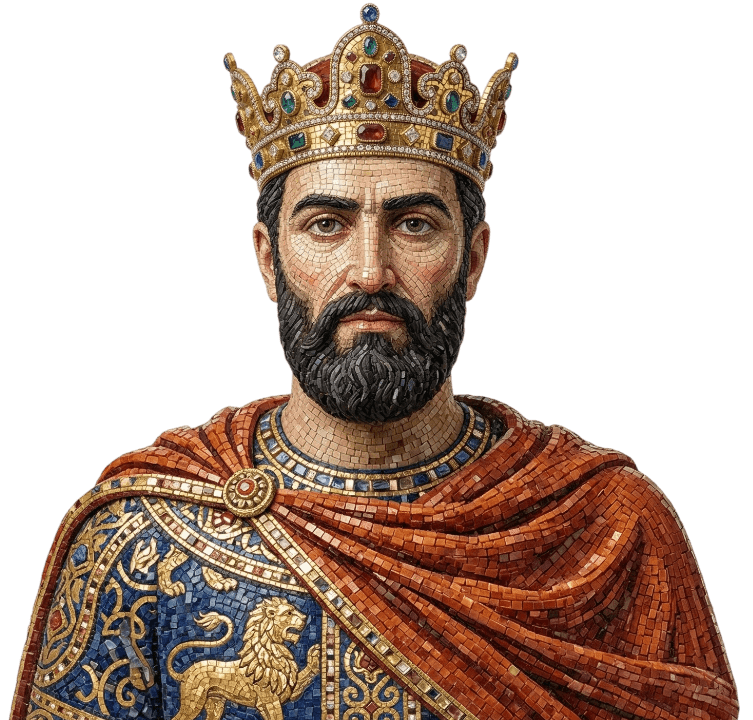
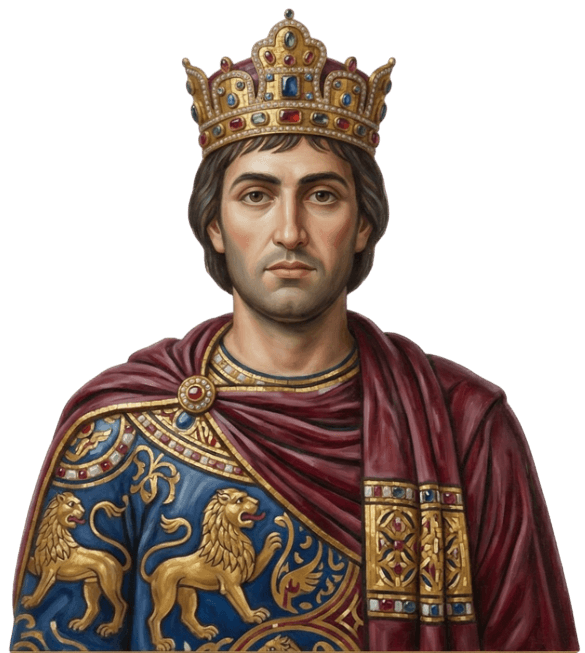
Constantine II reigned from 1298 to 1299 AD as the monarch of Cilician Armenia (Kilikia). A member of the Hethumid (Hetumyan) dynasty and the son of King Leo II, he originally governed from the fortress of Kapan. While he initially supported his brother Smbat’s seizure of the throne, he eventually led a military uprising to overthrow him in January 1298 AD, responding to widespread discontent following devastating Mamluk invasions and the murder of their brother Thoros III. His brief rule served as a critical transitional period for the fractured royal house. In 1299 AD, he released his elder brother Hethum II from prison and returned the crown to him, though alternative accounts suggest he was forcibly deposed after a failed attempt to maintain power. Constantine II is distinguished for minting a series of gold, silver, and copper coins during his short tenure. He died in 1310 AD in Constantinople, where he spent his final years in exile.
Constantine II reigned between 1298 and 1299 AD, navigating the violent dynastic shifts of the late 13th century. Born in 1277 AD, he spent his early years as the lord of the Kapan fortress before becoming embroiled in the power struggles of his brothers. In 1296 AD, he played a key role in the coronation of his brother Smbat in the city of Sis, helping him seize the throne while their other brothers were away in the Byzantine capital. However, the political landscape darkened as Egyptian Mamluks invaded the Kingdom of Cilicia (Kilikia), enslaving inhabitants and destroying villages. The failure to protect the realm, combined with the news that Smbat had ordered the murder of their brother Thoros III in Bardzrberd, led Constantine to lead his own army against the tyrant, successfully claiming the throne for himself.
The Transitional Sovereignty
The tenure of Constantine II was an effort to manage a state nearly broken by fratricide and external aggression. To assert his legitimacy as the sovereign of the highlands, he minted a variety of gold, silver, and copper coinage featuring his name and royal image. His reign, however, was destined to be short-lived. In 1299 AD, he released his elder brother, Hethum II, from captivity and voluntarily restored the crown to him. While Hethum attempted to bring a measure of reconciliation to the family, the deep-seated rivalries of the Hethumid (Hetumyan) house resulted in Constantine and Smbat being sent away to the Byzantine Empire to prevent further internal conflict.
Exile and the End in Constantinople
The final chapter of Constantine II’s life took place far from the Armenian heartland. According to some historical records, the Armenian army sought to restore Hethum II, leading Constantine to launch a desperate but unsuccessful rebellion. Following his defeat, he was captured and sent as a prisoner to Constantinople. Although he was eventually granted his freedom in 1305 AD after the death of Hethum, he chose to remain in the Byzantine capital rather than return to the instability of his homeland. He died in 1310 AD, leaving behind a legacy as a monarch who briefly held the crown during one of the most turbulent cycles of betrayal and restoration in Armenian history.
“The legacy of Constantine II endures through the centuries — a testament to the enduring spirit of the Armenian people and their unbroken pursuit of sovereignty, culture, and faith.”
Continue the Journey