Khosrov II
The Small
Arsacid Dynasty — 253, 272-287 AD
Arsacid Dynasty
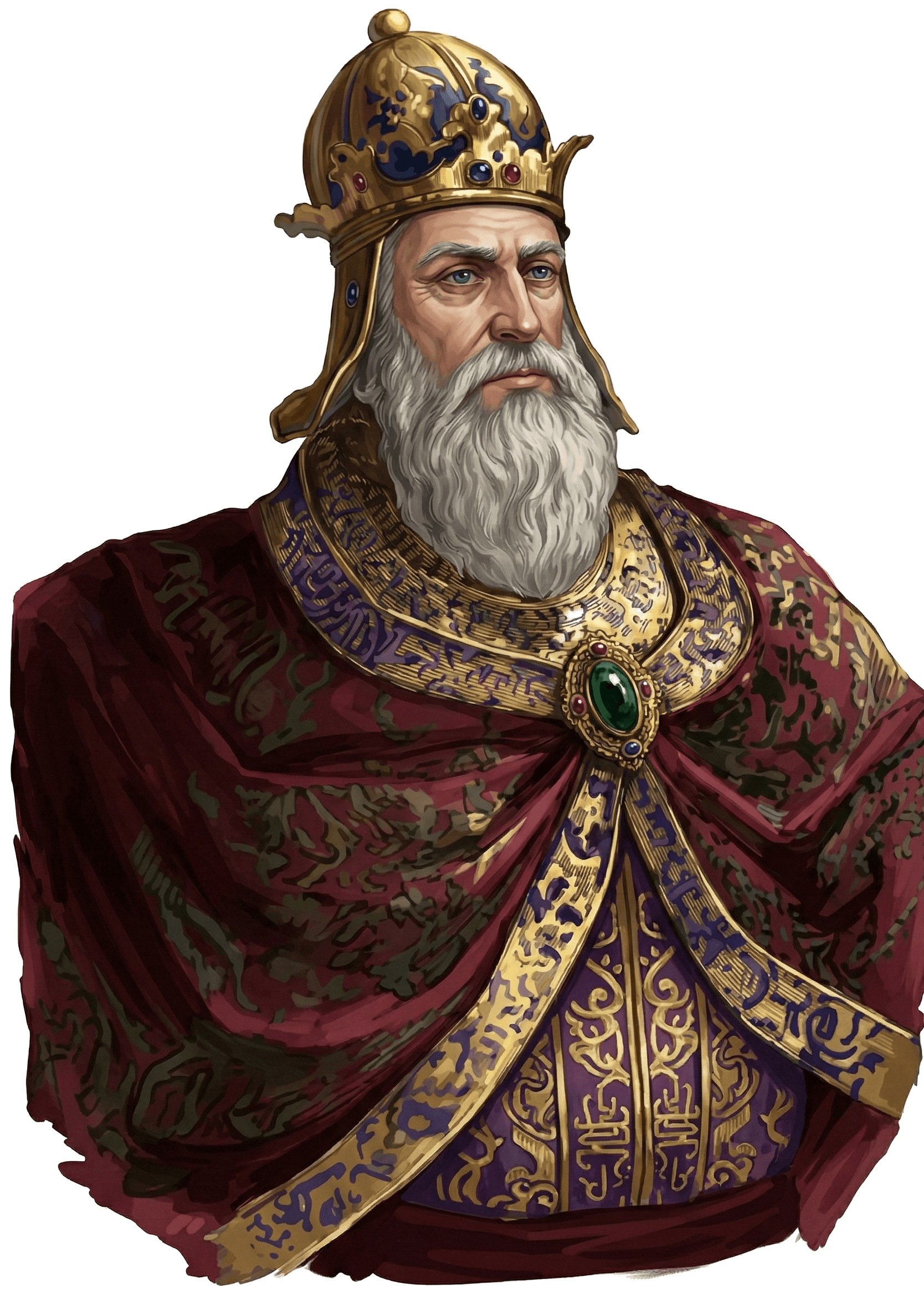
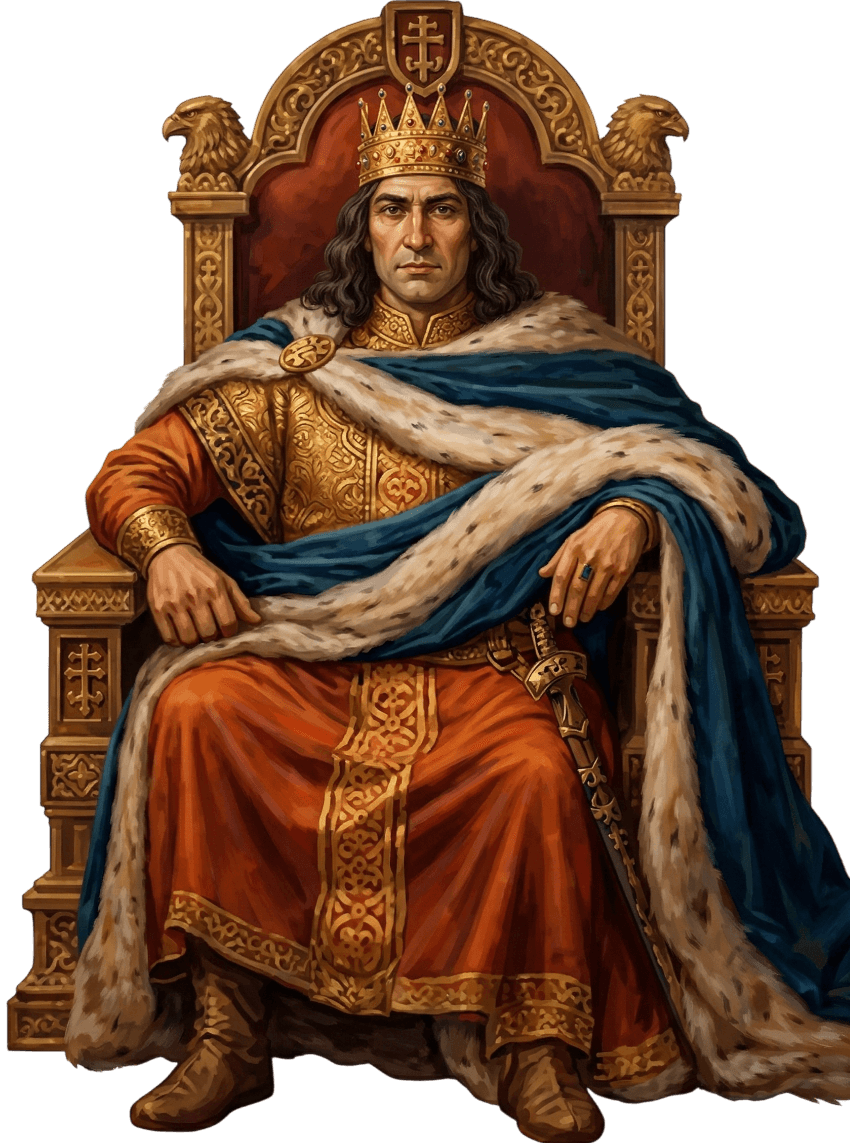
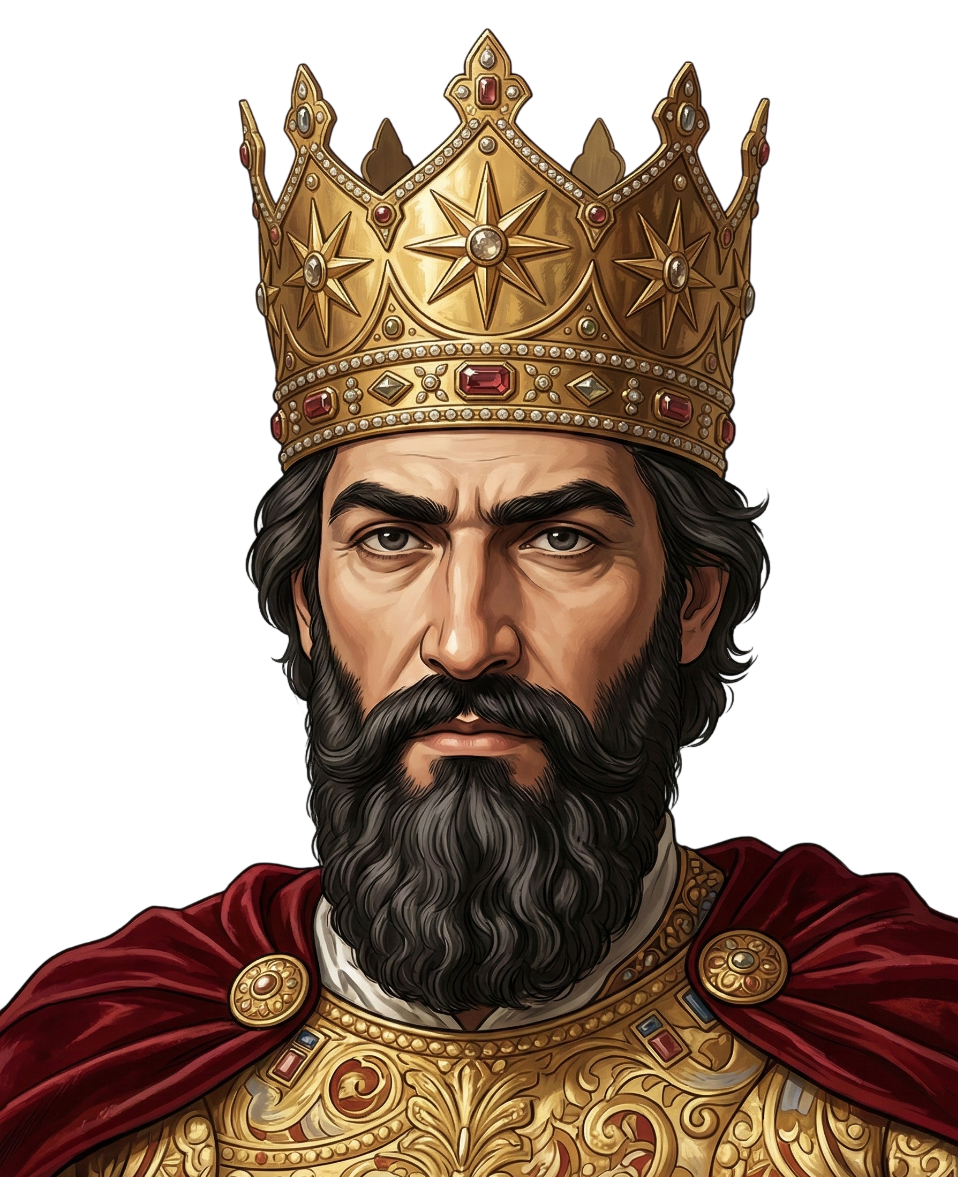
Khosrov II, historically known as Khosrov the Brave or Khosrov the Great, reigned from 252 to 258 AD as the monarch of the Kingdom of Armina (Greater Armenia). A son of Tiridates II, he earned military distinction early in his life by campaigning alongside his father to successfully repel the Sasanian King Ardashir I. Upon ascending the throne at the capital of Vagharsapat, he stood as a powerful defender of the Arshakuni lineage against the rising Persian threat. His reign was cut short in 258 AD by a treacherous plot orchestrated by the Sasanian court. He was assassinated by his relative, Anak the Parthian, who had gained the King’s trust under the guise of a defector. The resulting chaos led to the Sasanian occupation of the highlands, forcing Khosrov’s children, the future Tiridates III and Princess Khosrovidukht, to be smuggled into Roman and Cappadocian protection to preserve the royal bloodline.
Khosrov II reigned between 252 and 258 AD, inheriting a kingdom that served as the primary fortress against Sasanian expansion. Long before he wore the crown, he was recognized as a formidable commander, having participated in the grueling twelve-year conflict against Ardashir I between 226 and 238 AD. His military successes alongside his father, Tiridates II, were so profound that they reportedly alarmed the Persian kings. When he finally assumed power in Vagharsapat, he maintained the independence of the highlands, ensuring that the Arshakuni (Arsacid) dynasty remained a sovereign power capable of challenging the greatest monarchs of the East.
The Treachery of Anak
Unable to defeat Khosrov II through open warfare, the Sasanian King Shapur I resorted to political subversion. They incited a nobleman named Anak—who shared the same Arsacid heritage—to assassinate the Armenian king in exchange for the return of his family estates. Anak arrived at the Armenian court posing as a political refugee and eventually won the absolute trust of the King. In 258 AD, the conspiracy reached its violent climax as Anak murdered Khosrov II and his wife. Although the Armenian nobility retaliated with such fury that they annihilated nearly the entire clan of the assassin, the state was left without its leader, allowing the Sasanian forces to sweep into the highlands and claim possession of Armenia.
The survival of the Bloodline
The fall of Khosrov II marked a dark era of Sasanian dominance, yet the memory of his reign remained a catalyst for future restoration. While the Persians moved to incorporate Armenia into their empire, loyalist troops managed to rescue the King's infant children. The young prince Tiridates III was taken to Rome to be raised under imperial protection, while his sister, Khosrovidukht, was hidden in Caesarea Mazaca (Cappadocia) under the care of the Amatuni family. Remarkably, the only survivor of the assassin Anak’s family was a child named Gregory, who would eventually return to the highlands to work alongside Khosrov’s son. This period of exile set the stage for the historic return of the Arshakuni line and the eventual conversion of the kingdom to a new faith.
Royal Record
Family & Notes
Child: Tiran. Notes: Faced renewed aggression from Shapur II of Persia; tried to maintain the Christian alliance with Rome.
Wars & Battles
1 War: Border defense against Shapur II of Sassanid Persia.
War Record
1 Draw
Territory Size
c. 350,000 km2km^2km2
Allied Rulers
Constantine I (Rome)
“The legacy of Khosrov II The Small endures through the centuries — a testament to the enduring spirit of the Armenian people and their unbroken pursuit of sovereignty, culture, and faith.”
Continue the Journey