Leo I
The Magnificent
Rubenid Dynasty — 1187–1219 AD
Armenian Kingdom of Cilicia
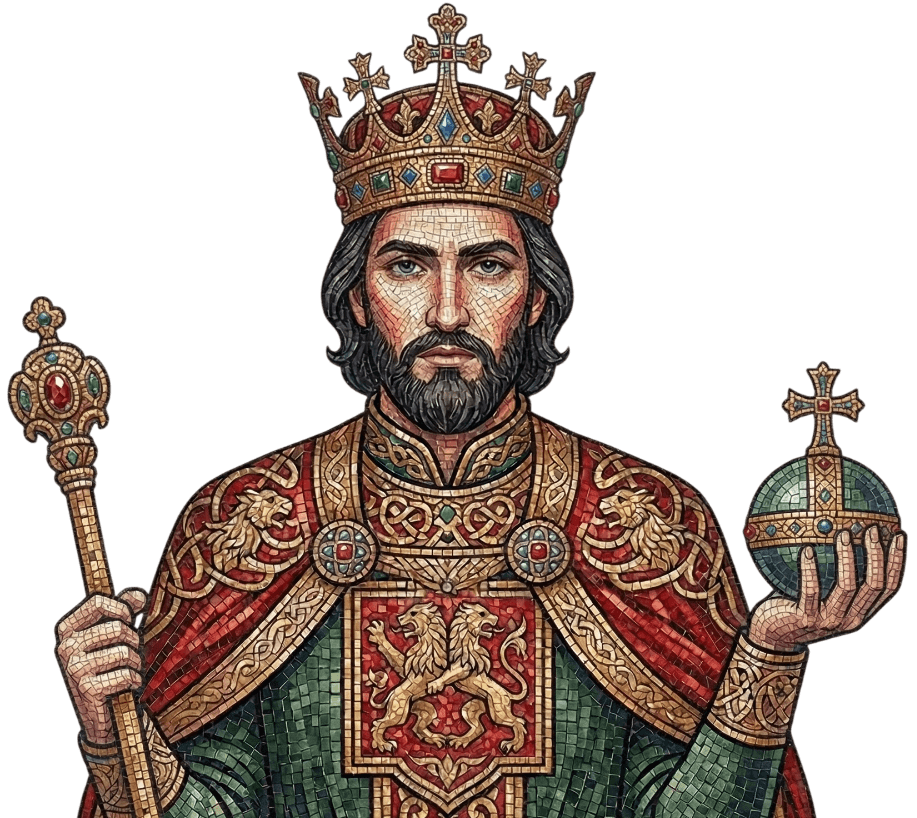
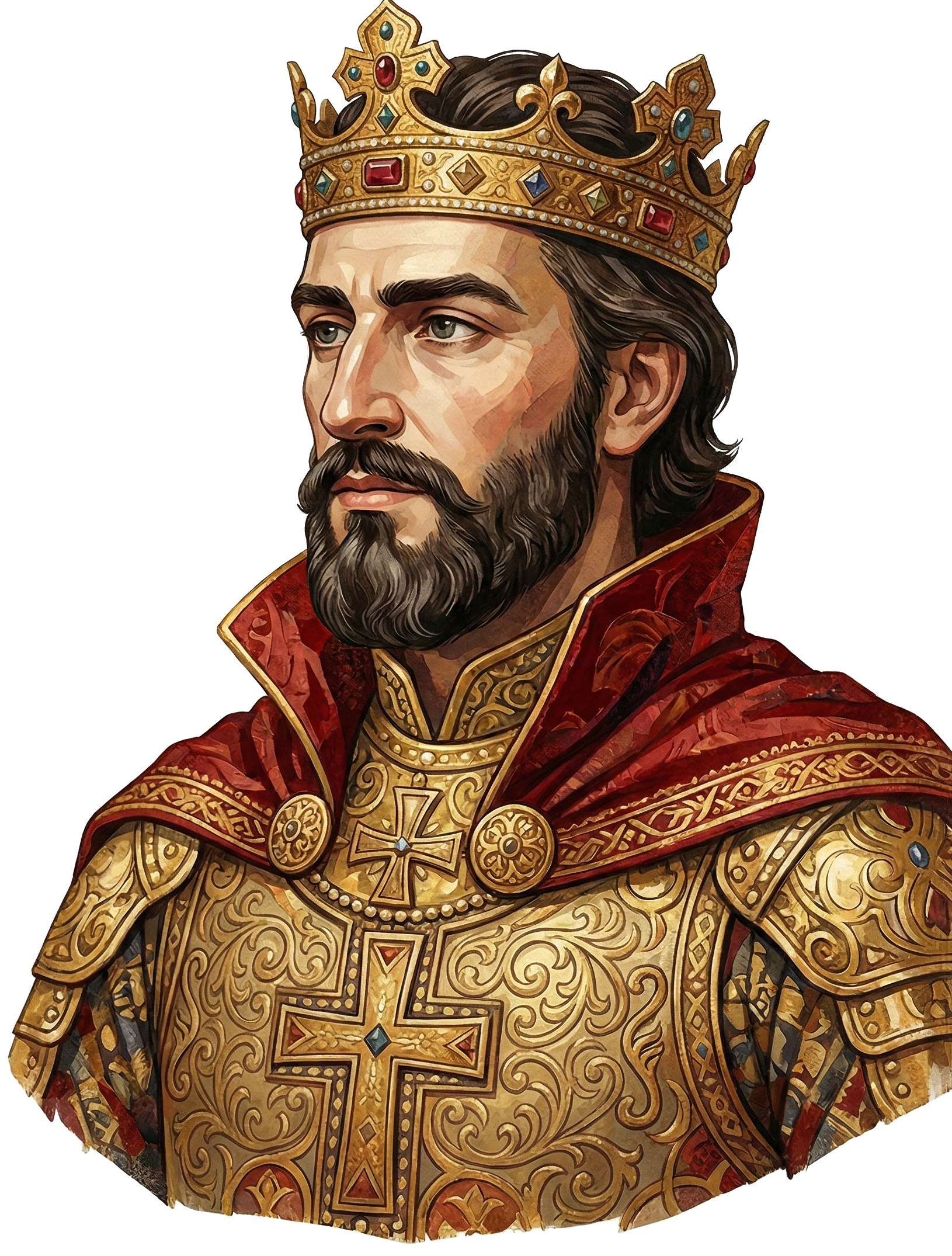
Leo I, known as Levon the Magnificent or the Great-Doer (Metsagorts), reigned as the tenth Lord of Cilician Armenia (Kilikia) from 1187 and was consecrated as its first King in 1198/9. A valiant and learned monarch of the Rubenid (Rubinyan) house, he transformed a regional principality into a sovereign kingdom recognized by the Holy Roman Empire and the Papacy. He was a critical ally to the armies of the Third Crusade, providing essential provisions, guides, and military support that eased the pressure of Saladin’s campaigns. His reign marked the zenith of Cilician Armenian power, with borders stretching from the Mediterranean Sea to the Taurus and Anti-Taurus mountains. He is celebrated for his sophisticated administrative reforms, the fortification of the realm with a network of castles, and the establishment of the royal capital at Sis. Through strategic marriage alliances and relentless military expansion into Isauria and Lycaonia, he elevated Armenia's international prestige to its highest point in the medieval era.
Leo I reigned between 1187 and 219 AD, overseeing the most glorious chapter of the Kingdom of Cilicia (Kilikia). Shortly after taking possession of the country, he successfully defended the highlands against the incursions of the Emir Roustam, whose army he vanquished with only a few men. Recognizing that permanent sovereignty required international validation, Leo engaged in high-level diplomacy with the German Emperor Henry VI and the Pope. This culminated in his historic coronation on January 6, 1198 (or 1199), at the Cathedral of Tarsus. By receiving a royal crown from the West, Leo transitioned the Rubenid house from local barony to legitimate royalty, establishing a state that served as a radiant bastion of Christian culture in the Levant.
Expansion and the Antiochene Struggle
The military career of Leo I was defined by his tireless expansion of the Armenian frontiers and his pursuit of regional hegemony. He became the master of many provinces, conquering Isauria, capturing Heraclea, and nearly taking Caesarea. He meticulously fortified the realm with a vast network of forts and castles, including the reconstruction of Baghras Castle. A significant portion of his reign was dedicated to the War of the Antiochene Succession, where he sought to legally unite the Principality of Antioch with the Armenian crown. After seizing Antioch in 1203 AD, he installed his great-nephew, Raymond-Roupen, as its ruler, aiming to create a centralized Christian power capable of resisting the surrounding Ayyubid and Seljuq threats.
Internal Order and the Final Testament
Domestically, Leo I was a visionary administrator who strengthened the legal and economic foundations of the Kingdom of Armina (Greater Armenia) in the south. He regulated the court's agencies, established a fixed taxation system, and fostered a thriving trade economy. His bounty was legendary; he was exceedingly generous to monasteries and famously built a specialized house for the leprous, providing them with all necessary care. Near the end of his life, having governed for thirty-two years as both Baron and King, he summoned the nobility to appoint a regent for his young daughter and successor, Zabel. He died on May 2, 1219 AD, and was buried in the church of Agner, leaving behind a kingdom that stretched from Seleucia to Antioch—a sovereign legacy that remains a cornerstone of Armenian history.
Royal Record
Family & Notes
Wife: Isabel of Toron. Child: Zabel (Isabel). Notes: Elevated Cilicia to a Kingdom; crowned in 1198. Known as "The Magnificent" for his European-style court.
Wars & Battles
8 Battles: 1. Roupen III coup; 2. Battle of 1187; 3. Third Crusade alliance (1190); 4. Wars vs Antioch; 5. Wars vs Rum Sultans; 6. Tarsus conquest.
War Record
5 Won, 1 Lost, 2 Draw
Territory Size
c. 80,000–100,000 km2km^2km2
Allied Rulers
Richard I (England), Henry VI (HRE)
“The legacy of Leo I The Magnificent endures through the centuries — a testament to the enduring spirit of the Armenian people and their unbroken pursuit of sovereignty, culture, and faith.”
Continue the Journey