Oshin
Hethumid Dynasty — 1307–1320 AD
Armenian Kingdom of Cilicia
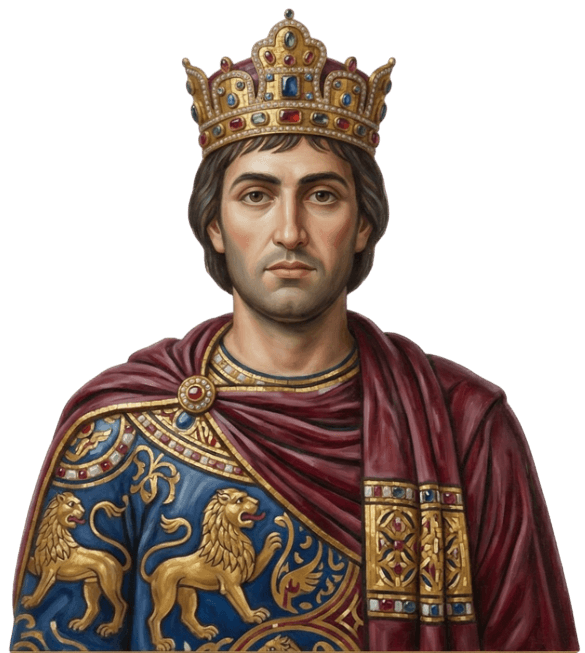
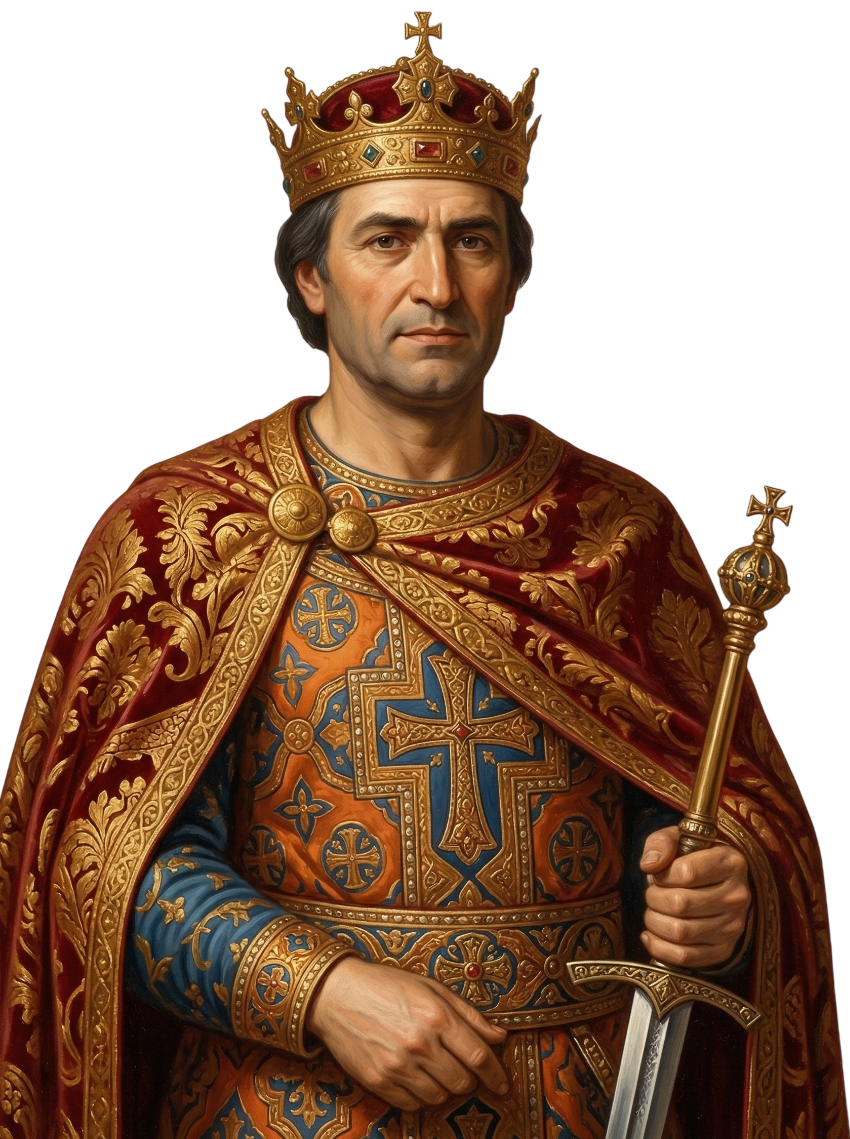
Oshin I reigned from 1308 to 1320 AD as the monarch of the Kingdom of Cilicia (Kilikia) and was a prominent member of the Hethumid (House of Lampron) dynasty. He ascended the throne following the treacherous assassination of his brother, Hethum II, and his nephew, Leo III, by the Mongol general Bilarghu. Oshin immediately raised an army to drive the Mongol forces out of the highlands and was subsequently recognized as the legitimate sovereign by the Ilkhan Öljeitü. His reign was defined by the precarious balance between securing European military aid and maintaining internal religious stability. Under pressure from Pope John XXII and facing the growing threat of the Mamluk Sultanate, Oshin and Catholicos Constantine III accepted a union with the Roman Catholic Church at the Council of Adana. While this move was intended to protect the state, it triggered widespread popular discontent and weakened the central authority. Oshin focused much of his tenure on strengthening the kingdom's borders and civil construction until his sudden death in 1320 AD.
Oshin reigned between 1307 and 1320 AD, taking the crown after a violent betrayal that threatened the core of the Hethumid house. In November 1307, the Mongol general Bilarghu, a devout Muslim who sought to transform the capital of Sis by erecting a mosque, lured the Armenian king and forty noblemen to a feast near Anazarbus and massacred them. Oshin responded with immediate military force, leading the national army to defeat Bilarghu and expel the Mongol garrisons from the Cilician heartland. Following this victory, he was formally crowned and received the support of Ilkhan Öljeitü, who ordered the execution of the treacherous general. This era of his reign was marked by a resolute effort to strengthen the kingdom's defenses and repair the damage caused by the sudden conflict.
The Council of Adana and the Religious Divide
The central political challenge of Oshin’s rule was the deepening religious friction within the Kingdom of Cilicia (Kilikia). Recognizing that the Mongols were no longer reliable allies and that the Mamluk Empire was preparing for further invasions, Oshin turned toward Christian Europe for protection. As a precondition for Western aid, the King and the Latinophile Catholicos Constantine III convened the Council of Adana to finalize a union between the Armenian and Roman churches. However, this policy was met with fierce resistance from the Armenian people and nationalistic forces who viewed the union as an encroachment on their traditions. This "Westernizing" behavior sharpened the internal fragmentation of the state and distracted the monarchy from its military priorities during a period of escalating external threats.
Geopolitical Influence and a Mysterious End
Despite domestic religious strife, Oshin maintained a significant influence over the wider Mediterranean world. He acted as a major player in the affairs of the Kingdom of Cyprus, notably holding King Henry II in Armenia before his eventual release following the assassination of Amalric of Tyre in 1310 AD. In 1318 AD, he successfully repulsed a massive Mamluk invasion, driving the enemy out of the highlands at a significant military cost. Oshin died suddenly on July 20, 1320 AD, and was buried at the Drazark Monastery. Popular belief at the time suggested he had been poisoned by his cousin and brother-in-law, Oshin of Korikos. He was succeeded by his minor son, Leo IV, leaving a kingdom whose sovereignty remained caught between the demands of the West and the aggression of the East.
Royal Record
Family & Notes
Wife: Jeanne of Anjou. Child: Leo IV. Notes: Heavily influenced by European culture; tried to unite the Armenian and Catholic Churches, causing internal strife.
Wars & Battles
4 Wars: 1. Mamluk wars; 2. Battle of Marash; 3. Cypriot alliance; 4. Internal noble strife.
War Record
1 Won / 2 Lost / 1 Draw
Territory Size
c. 50,000–60,000 km2km^2km2
Allied Rulers
Pope Clement V
“The legacy of Oshin endures through the centuries — a testament to the enduring spirit of the Armenian people and their unbroken pursuit of sovereignty, culture, and faith.”
Continue the Journey