Tigran II
The Great
Artaxiad Dynasty — 95–55 BC
Artaxiad Dynasty
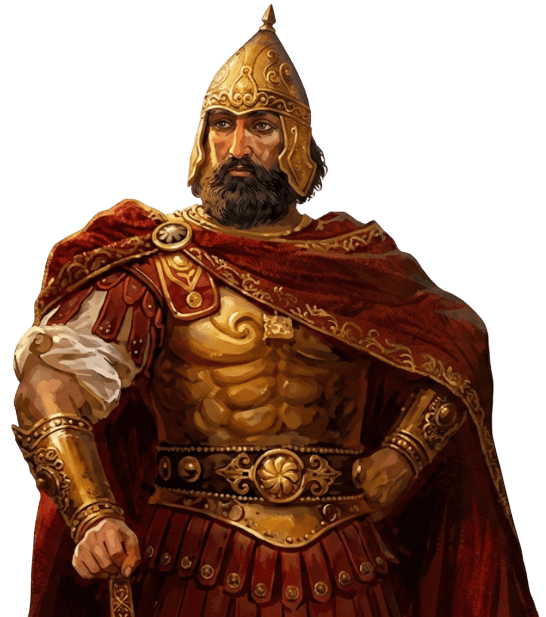
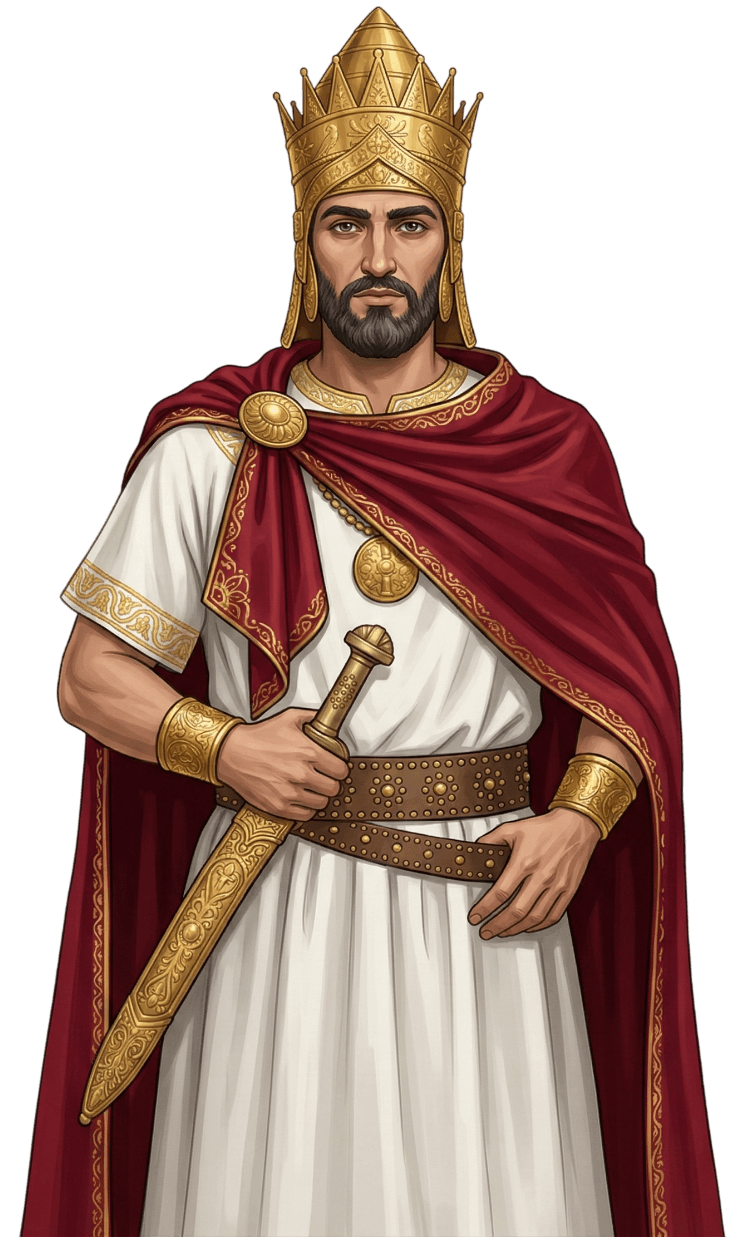
Tigranes II, more commonly known as Tigranes the Great, reigned from 95 to 55 BC as the most celebrated monarch of the Artaxiad dynasty. After spending his early years as a royal hostage in the Parthian court, he ascended the throne and transformed the Kingdom of Armina (Armenia) into the most powerful state to the east of the Roman Republic. At its peak, his empire stretched from the Caspian Sea to the Mediterranean and from the Pontic Alps to Mesopotamia. Holding the prestigious title of "King of Kings," he centralized the state’s power, founded the metropolis of Tigranocerta, and fostered a unique cultural synthesis of Hellenistic and Iranian traditions.
Tigranes reigned between 95 and 55 BC, beginning his rule after being released from captivity in Parthia in exchange for "seventy valleys." Once on the throne, he immediately worked to dismantle the influence of the feudal nakharars to create a centralized empire. Through a strategic alliance with Mithridates VI of Pontus, he expanded his reach with unprecedented speed. By 83 BC, the Syrians had offered him the crown of the Seleucid Empire, and his southern borders reached as far as the Red Sea. At the height of his power, he assumed the Achaemenid title of "King of Kings," and Western historians like Plutarch noted that he never appeared in public without four vassal kings attending him as bodyguards.
Tigranocerta and the Hellenistic Synthesis
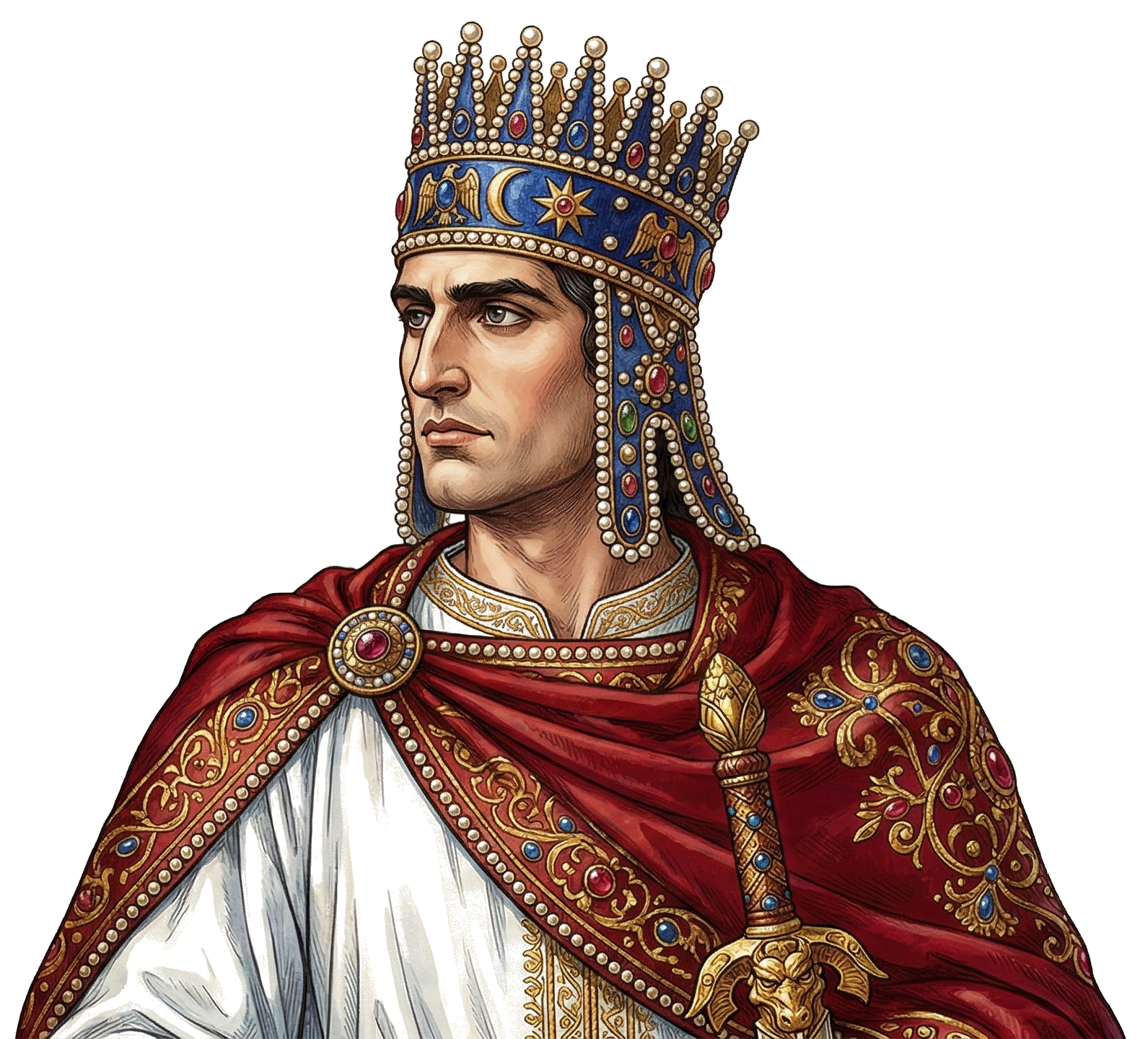
To reflect the grandeur of his multi-ethnic empire, Tigranes founded a new capital city, Tigranocerta, which became a hub for Greek rhetoricians, philosophers, and architects. His court and capital represented a "high-water mark of Hellenic influence," blending the clean-shaven Greek aesthetic seen on his silver tetradrachms with the sacred Iranian symbols of the Zoroastrian star and birds of prey. These coins, widely regarded as the finest ever struck by an Armenian monarch, were primarily minted in Antioch and displayed Tigranes wearing the distinctive five-pointed Armenian tiara. He was a follower of Zoroastrianism who simultaneously adopted the title "Philhellene," ensuring that his empire served as a cultural bridge between the traditions of the East and West.
The Roman Conflict and Persistent Legacy
The expansion of the Armenian Empire eventually led to a direct confrontation with the Roman Republic. Tigranes faced major military challenges during the Roman invasions led by Lucullus and later Pompey, suffering significant defeats at the battles of Tigranocerta and Artaxata (Artashat). Despite these losses and the betrayal of his own son, Tigranes the Younger, the king’s diplomatic resilience allowed him to negotiate a peace that preserved the Armenian heartland. He continued to rule as a respected client-king of Rome for the remainder of his life, dying at the age of 85. In Armenian history, his reign is immortalized as the era of "Sea to Sea Armenia," the only time in history the entire plateau was unified under a single native ruler.
Royal Record
Family & Notes
Wife: Cleopatra of Pontus. Child: Artavasdes II, Tigranes the Younger. Notes: Expanded Armenia to its greatest extent; built Tigranocerta; eventually defeated by Rome but remained a king.
Wars & Battles
12+ Battles: Recapture of Valleys; Conquest of Syria, Cilicia, Phoenicia; Battle of Tigranocerta (69 BC); Battle of Artaxata (68 BC).
War Record
9 Won, 2 Lost, 1 Negotiated
Territory Size
c. 3,000,000 km2km^2km2
Allied Rulers
Mithridates VI of Pontus
“The legacy of Tigran II The Great endures through the centuries — a testament to the enduring spirit of the Armenian people and their unbroken pursuit of sovereignty, culture, and faith.”
Continue the Journey