Tigranes I
Artaxiad Dynasty — 115–95 BC
Artaxiad Dynasty
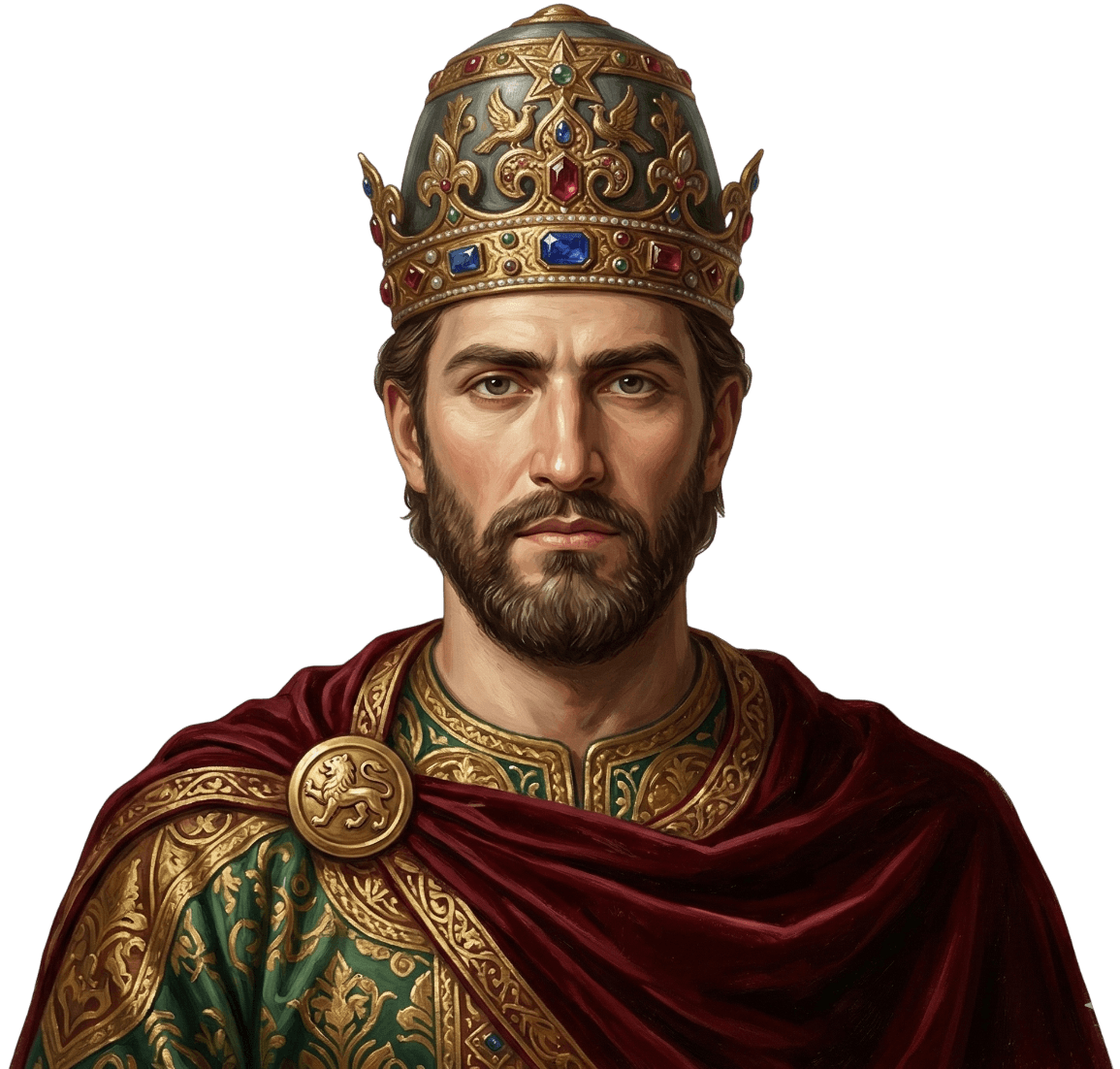
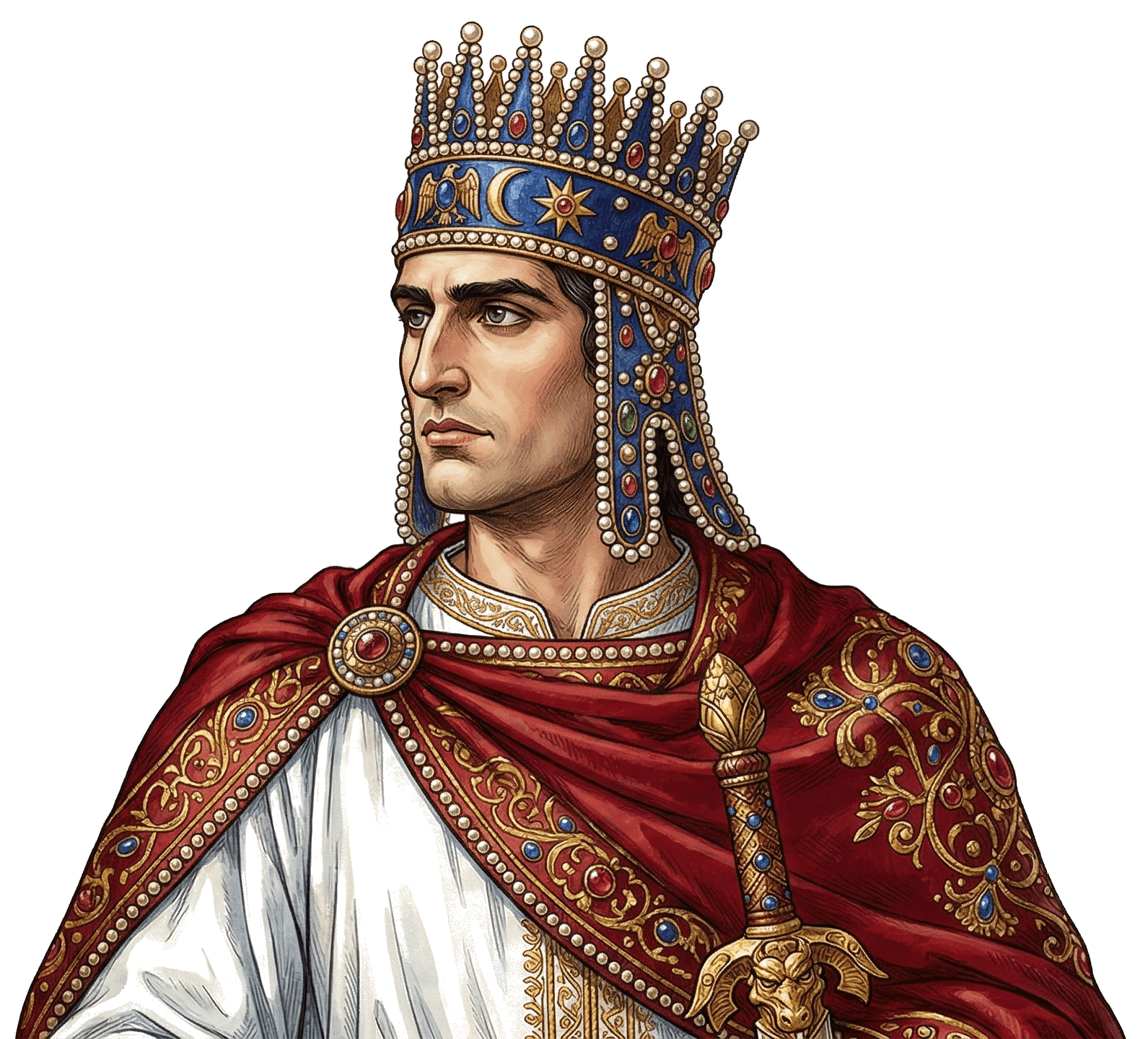
Tigranes I reigned from 120 to 95 BC as the fourth son of Artaxias I and the successor to his brother, Artavasdes I. Before ascending the throne, he served as the sparapet (commander) of the western army and played a key role in defending the highlands against Seleucid and Iberian incursions, eventually securing an alliance with the Iberian kingdom. His reign is characterized by historians as a period of successful resistance against the Parthian Empire and the maintenance of internal order. He was the first monarch of his dynasty to adopt the title "King Tigranes the Great" on his coinage. Following his death in a snowstorm, his son, Tigranes II, returned from Parthian captivity to succeed him.
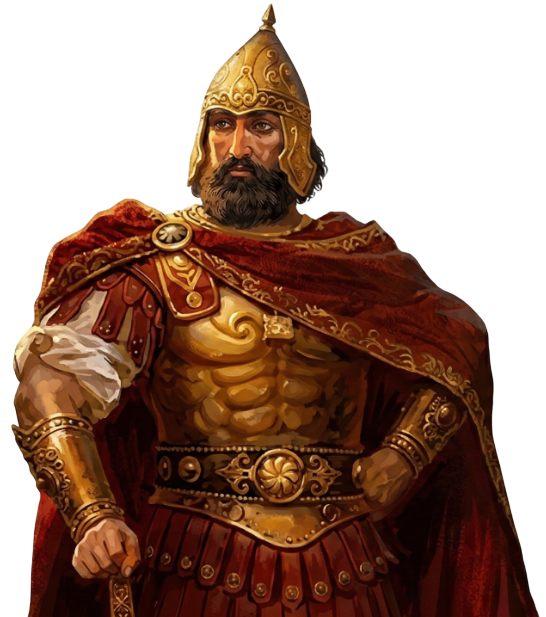
Tigranes I reigned between 120 and 95 BC, having previously served as a high-ranking military commander under his father, Artaxias I. During the Seleucid invasion of 165 BC led by Antiochus IV Epiphanes, Tigranes successfully managed a retreat to Basen before joining forces with Artavasdes I to defeat the invaders. He further demonstrated his diplomatic and military skill by negotiating the release of his brother Zariadres from Iberian captivity, ceding Javakheti and Ardahan to secure a lasting alliance. However, the rise of the Parthian King Mithridates II in 120 BC brought a significant challenge; after a Parthian invasion, Tigranes’ son—the future Tigranes the Great—was sent to the Parthian court as a royal hostage to ensure the recognition of Parthian suzerainty over the highlands.
Royal Authority and Domestic Reforms
Upon the death of his brother Artavasdes I, Tigranes I asserted strong control over the Armenian nobility and religious hierarchy. He notably stripped the Vahevuni family of their priesthood after discovering they had illegally moved a gold-plated statue of Vahagn from Armavir to their own domain in Ashtishat. To resolve land shortages and inheritance disputes among the Artaxiad branches in Hashteank, he ordered a mass relocation to the regions of Aghiovit and Arberan. He also cultivated a loyalist elite by granting estates and the rank of sparapet to the Andzevatsi prince Erakhnavu and providing his Persian ally Druasp with estates and vineyards in Tateawn, effectively centralizing power within the royal court.
The Divine Legacy and Succession
The final years of Tigranes I’s reign were generally peaceful, despite internal frictions such as the rebellion of his son-in-law, Trdat Bagratuni, which ended abruptly upon the king's death in a snowstorm around 95 BC. Tigranes I was the first Armenian monarch to issue coins with the Greek inscription "King Tigranes the Great," depicting himself in a five-pointed tiara. His impact was so profound that his son and successor, Tigranes II, deified him. Special commemorative coins were minted in Artaxata (Artashat) and Tigranocerta featuring his image and the title "Great and Divine," marking his transition from a mortal sovereign to a permanent fixture of the Armenian national pantheon.
Royal Record
Family & Notes
Child: Tigranes II (The Great). Notes: Ruled largely as a Parthian client; his reign was a period of "waiting" while the kingdom regained strength.
Wars & Battles
1 Event: Diplomatic cession of the "Seventy Valleys" to Parthia.
War Record
0 Won / 1 Diplomatic Loss
Territory Size
c. 350,000 km2km^2km2
Allied Rulers
Mithridates II (Parthia)
“The legacy of Tigranes I endures as the Great and Divine patriarch—a king who defended the highlands with iron and was elevated to the heavens by his successor.”
Continue the Journey