Vramshapuh
Patron of the Alphabet
Arsacid Dynasty — 389–414 AD
Arsacid Dynasty
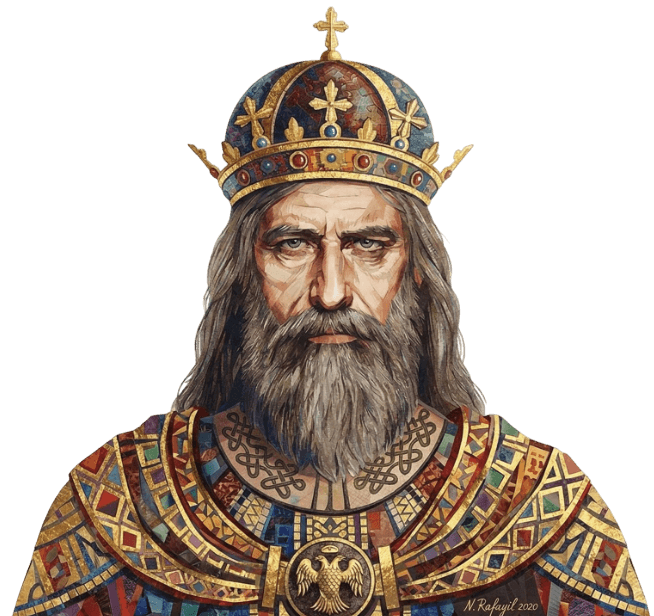
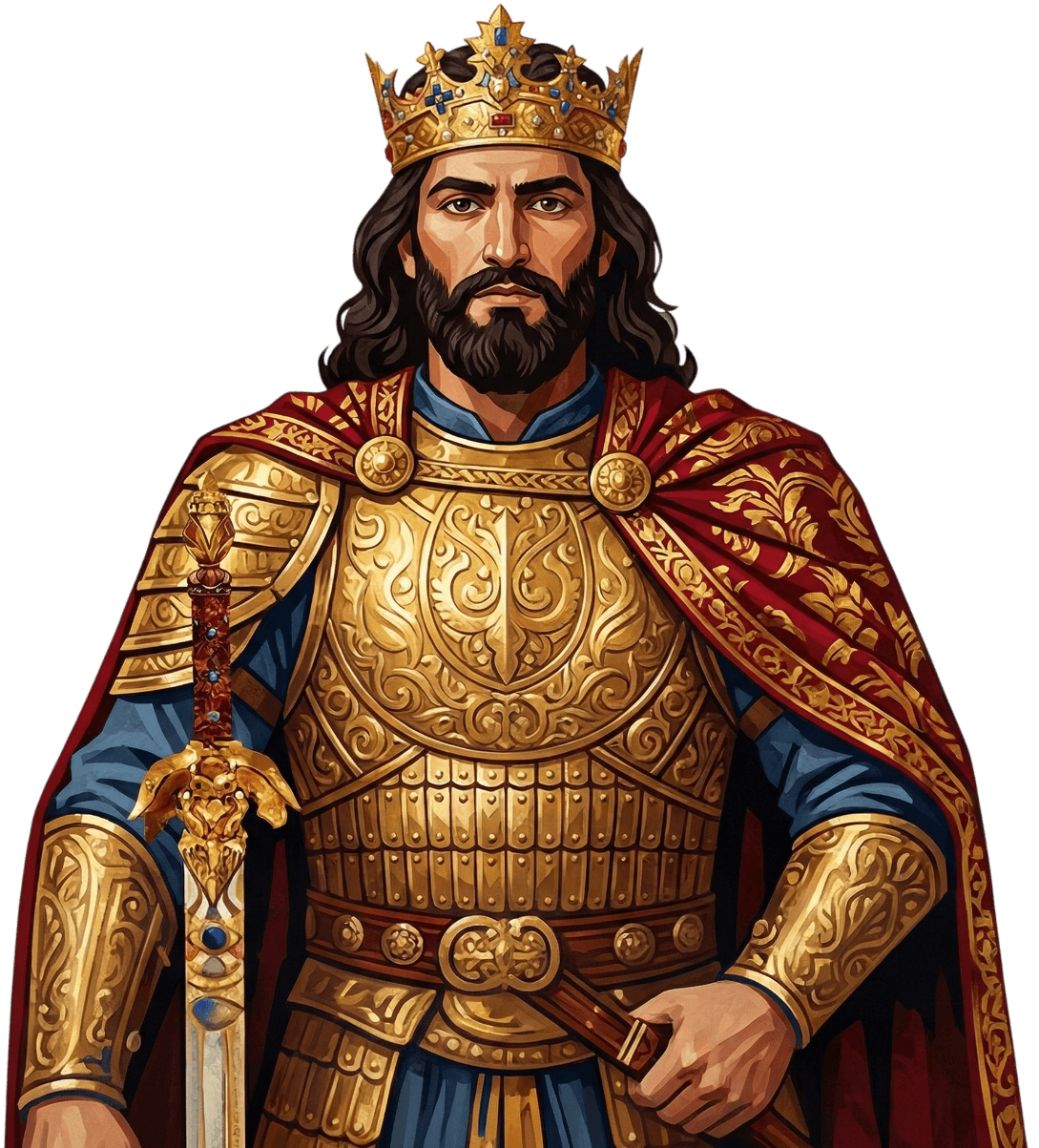
Vramshapuh reigned from 393 to 414 AD as the monarch of the Kingdom of Armina (Greater Armenia), succeeding his brother, Khosrov IV. Originally named Vaghars, he assumed the throne during a period of Sasanian suzerainty and adopted a name that synthesized Persian dynastic titles to maintain strategic stability. His reign is historically celebrated as an illustrious era of peace and beneficent leadership, during which he successfully unified the partitioned sectors of the Armenian heartland and acted as a vital diplomatic mediator between the Sasanian and Byzantine empires. He is most renowned for his visionary patronage of Catholicos Sahak Partev and Mesrop Mashtots, which culminated in the creation of the Armenian alphabet in 405 AD. By providing the essential moral and financial support for this linguistic revolution, Vramshapuh facilitated the translation of the scriptures into the native tongue and laid the foundation for the "Golden Age of Armenian Literature." His governance ensured that the Christian identity of the highlands remained a cohesive force, allowing Armenian culture to thrive even under the shadow of surrounding pagan empires.
Vramshapuh reigned between 393 and 414 AD, assuming the throne after the Sasanian King Bahram IV deposed his brother, Khosrov IV. Known also by the names Vaghars and Stahrashapuh, he governed as a Christian monarch under the suzerainty of a pagan Sasanian Empire. Despite this complex political reality, Vramshapuh was a wise and independent ruler who won the confidence of both the Sasanian shah and the pro-Roman Armenian nobility. He famously conducted a successful peace mission to Mesopotamia to mediate between Persia and Byzantium, establishing a long-standing peace that allowed for significant internal improvements within the highlands and kept the spread of pagan faiths to a minimum.
The Architect of the Golden Age
The defining achievement of Vramshapuh’s kingship was his sponsorship of the project to create a national script. Recognizing that the majority of his people could not understand the church scriptures read in Greek and Syriac, he became the primary material and moral patron of Mesrop Mashtots and Catholicos Sahak Partev. In 405 AD, this collaboration resulted in the creation of the Armenian alphabet, a symbolic tool that unified Armenians living across the Byzantine and Sasanian sectors. Vramshapuh actively supported subsequent educational missions, providing counsel and funds to teach the new language throughout the country, which triggered the flowering of native literature and the preservation of the Armenian identity for future generations.
The Legacy of the Wise Monarch
In addition to his cultural contributions, Vramshapuh was a skilled administrator who strengthened the structure of the Kingdom of Armina (Greater Armenia). He reconciled the crown with the military elite by promoting Hamazasp Mamikonian to the high office of General and formalizing the administrative roles of the Mardpet and the Apset. Through his mediation and beneficent rule, he brought a final moment of glory to the Arshakuni dynasty. Upon his death in 414 AD, his son Artaxias IV was still too young to inherit the crown, leading to a brief period where the highlands were managed by the nobility and Sasanian officials before the final restoration of the royal line.
Royal Record
Family & Notes
Notes: Patron of St. Mesrop Mashtots; his reign is the most culturally significant due to the creation of the Armenian Alphabet (405 AD).
Wars & Battles
1 War: Peaceful reign; focused on internal cultural consolidation.
Territory Size
c. 200,000 km2km^2km2 (East)
Allied Rulers
Yazdegerd I (Persia)
“The legacy of Vramshapuh Patron of the Alphabet endures through the centuries — a testament to the enduring spirit of the Armenian people and their unbroken pursuit of sovereignty, culture, and faith.”
Continue the Journey