Orontid Dynasty
The Yervanduni line — Persian satraps who evolved into independent Armenian kings during the age of Alexander.
Royal Lineage
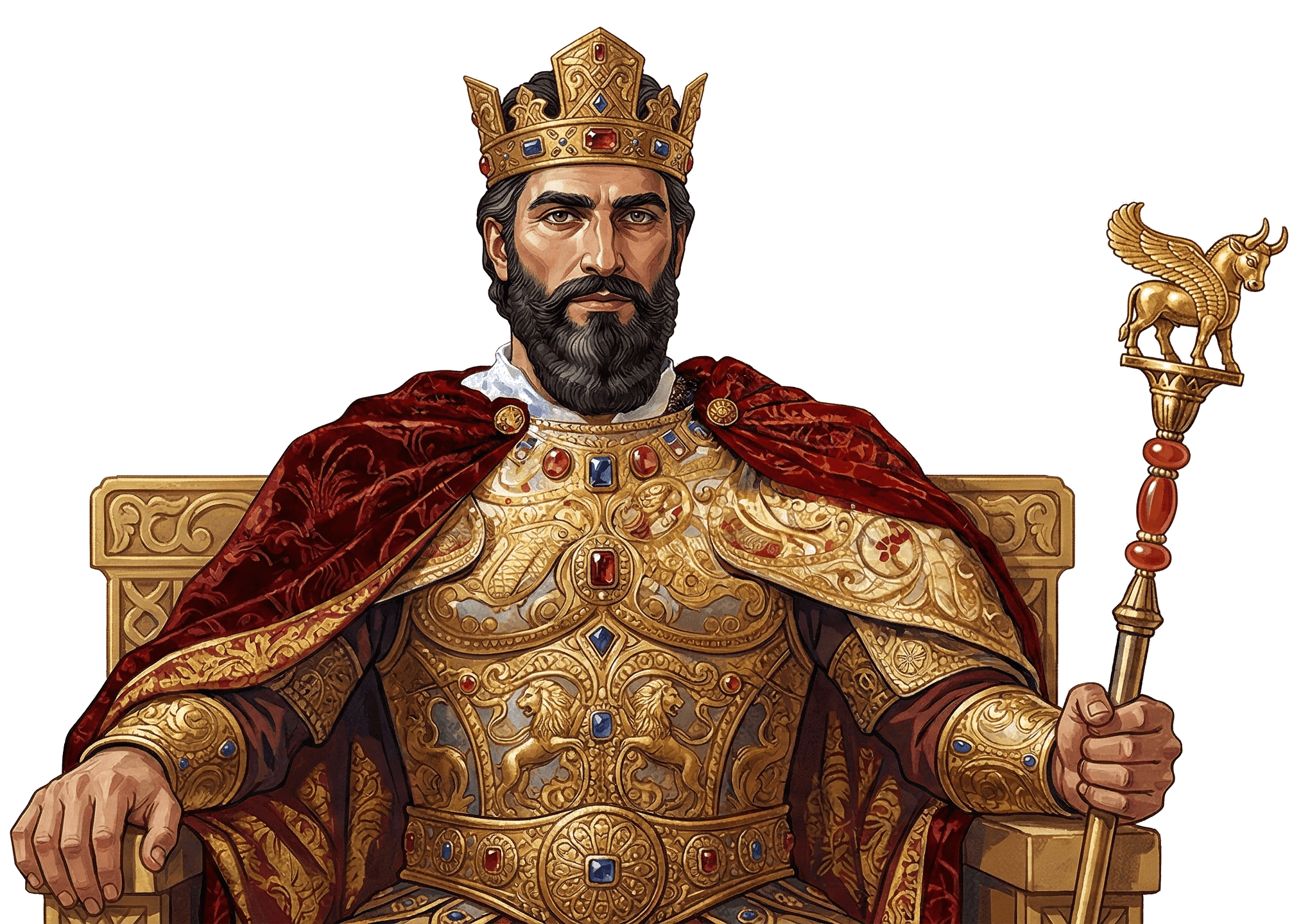
The Dynast
401-344 BC
Orontes I governed as the satrap of Armina (Armenia) from 401 to 344 BC and is recognized as the foundational ancestor of the Orontid (Yervanduni) dynasty. A son of the Bactrian nobleman Artasyrus and husband to Rhodogune, the daughter of Artaxerxes II, he was a prominent military commander of the Achaemenid Empire.
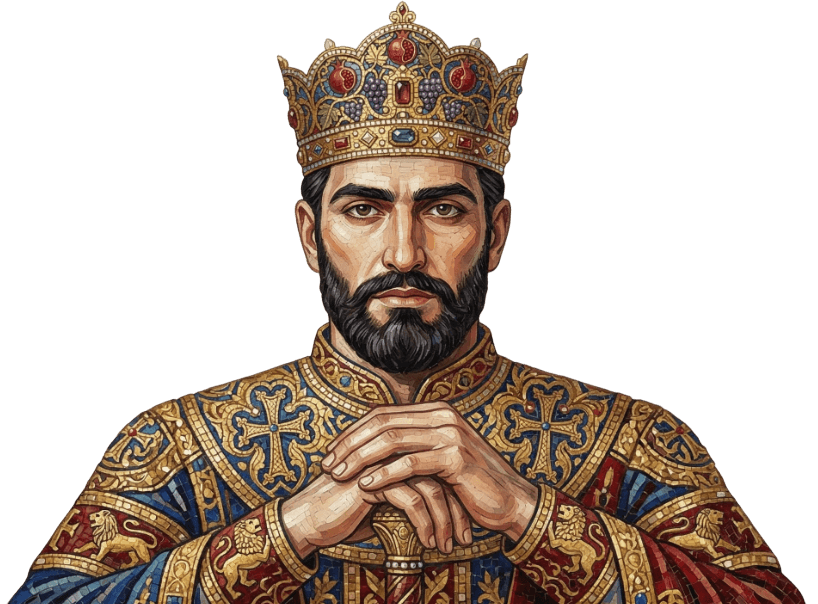
336-331 BC
Orontes II was the satrap of Armina (Armenia) during the 4th century BC and a high-ranking noble of the Orontid (Yervanduni) dynasty. He is most recognized for commanding a massive force of 40,000 infantry and 7,000 cavalry at the Battle of Gaugamela in 331 BC, where he fought on the Persian right flank against Alexander the Great.
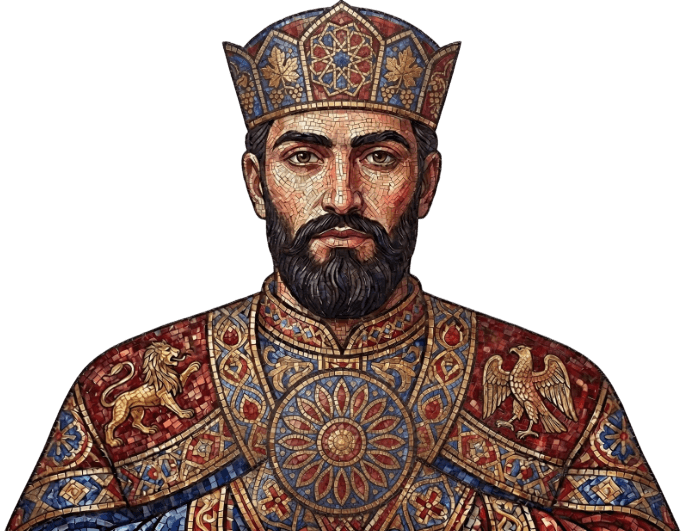
c. 344–336 BC
Orontes III emerged as a powerful sovereign during the chaotic Wars of the Diadochi. In 321 BC, he successfully defended his realm against the Macedonian general Neoptolemus. He also formed a strategic alliance with the Greek commander Eumenes, and by the end of his long reign had successfully navigated the rise of the Seleucid Empire while maintaining his kingdom's autonomy.
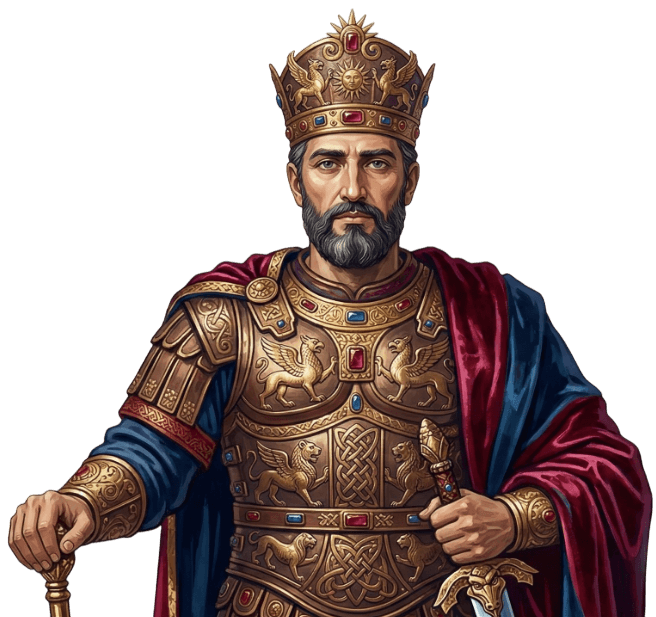
331 – 321 BC
Mithrenes was the Persian commander of Sardis who surrendered the city to Alexander the Great without a struggle in 334 BC. This strategic move allowed him to maintain his status and join Alexander's inner circle. Following the Battle of Gaugamela, Alexander appointed him as the governor of the northern highlands.
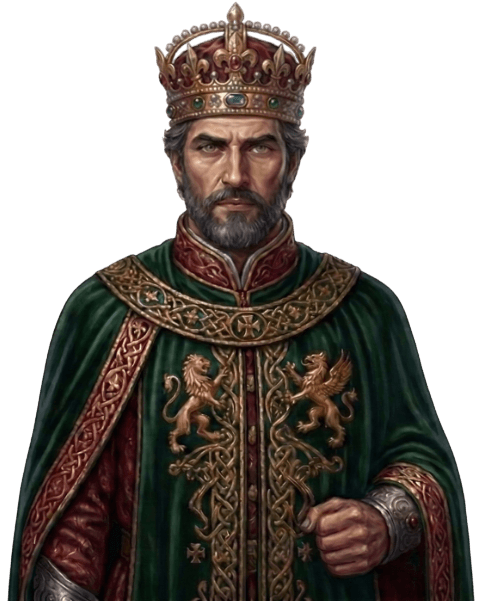
First Independent King
321 – 260 BC
Orontes III reigned from 336 to 260 BC, initially as a satrap and later as the King of Armina (Armenia). After the defeat of Darius III at Gaugamela in 331 BC, he successfully re-established an independent Armenian statehood with its capital at Armavir.
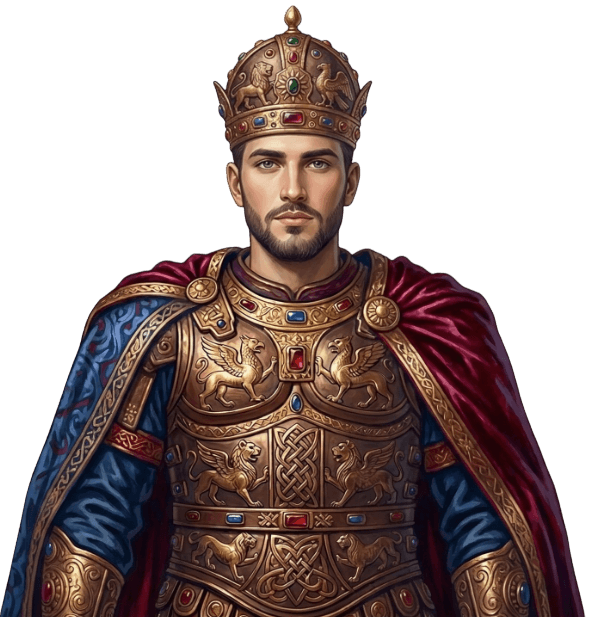
c. 260 BC ~ –243 BC ~260–240 BC
Samius (Samos) reigned as a king of the Orontid dynasty around 260 BC. His most enduring legacy was the construction of the city of Samosata, located on the banks of the Euphrates River, which he established as a royal administrative center. This strategically located city became a vital crossroad for trade between the Mediterranean and the interior of Asia.
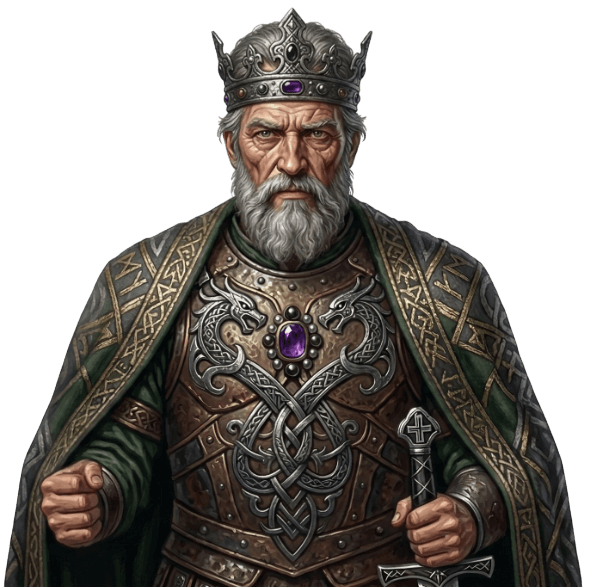
c. 260–228 BC
Arsames I reigned from 240 to 220 BC as the King of Armina (Armenia), Tsopk (Sophene), and Commagene. A powerful member of the Orontid (Yervanduni) dynasty whose name signifies "having a hero’s strength," he successfully challenged Seleucid influence by providing refuge to rebellious leaders like Ziaelas of Bithynia and Antiochus Hierax.
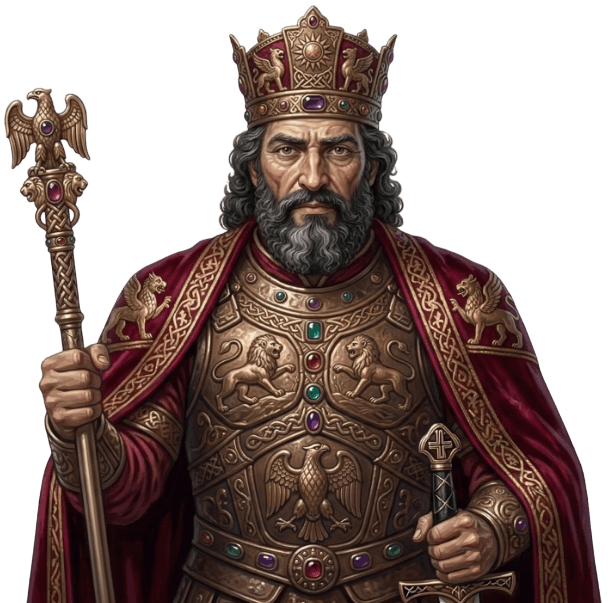
c. 228–212 BC
Xerxes of Armenia was besieged by the Seleucid king Antiochus III in his capital of Samosata. To secure peace, he agreed to pay tribute and married Antiochus's sister, Princess Antiochis. However, his life ended abruptly when he was assassinated at the instigation of his wife, who had been tasked with removing him by her brother.
The Last Orontid
c. 212-200 BC
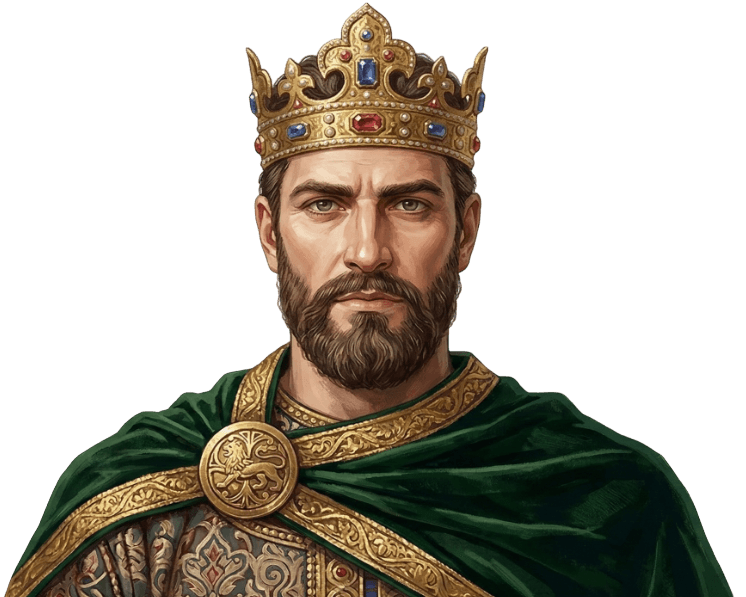
Orontes IV, also known as Yervand the Last, reigned between 220 and 200 BC as the final monarch of the Orontid (Yervanduni) dynasty in Armina (Greater Armenia). He is historically recognized for moving the royal seat from Armavir to his newly founded capital, Yervandashat (Ayrarat), and establishing the sacred religious center of Bagaran.