Artaxiad Dynasty
The golden age — Tigranes the Great forged an empire from the Mediterranean to the Caspian.
Royal Lineage

The Builder
189–160 BC
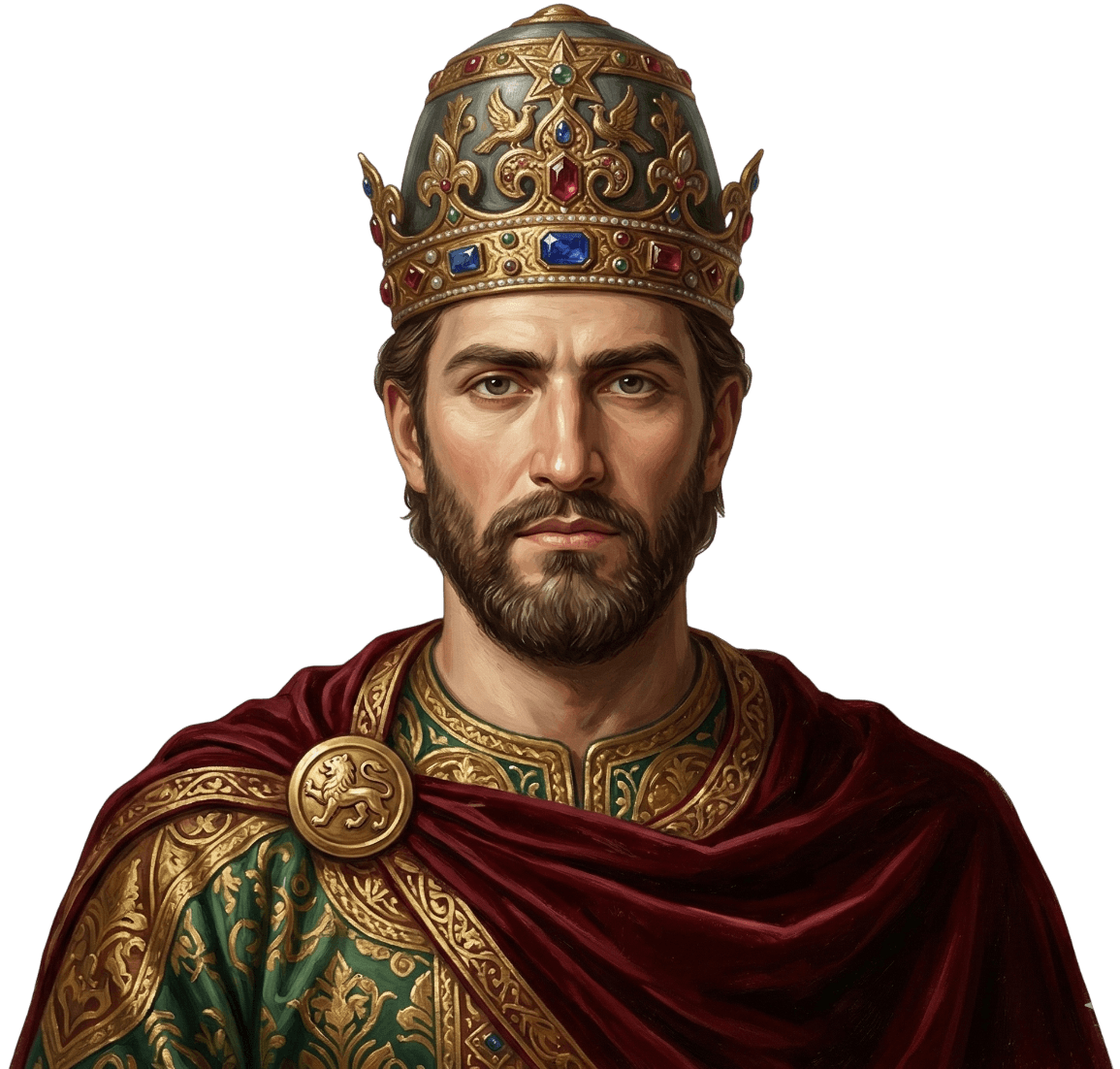
Artaxias I reigned from 189 to 160 BC as the founder of the Artaxiad dynasty and the first monarch of an independent Armina (Greater Armenia). A former governor under the Seleucids, he seized the opportunity to declare sovereign statehood following the Battle of Magnesia and later received formal recognition as an independent ruler from the Roman Senate. During his reign, he unified the Armenian Highlands by expanding his borders to the Kur River and the Caspian Sea, creating an ethnically homogeneous state.
160–115 BC
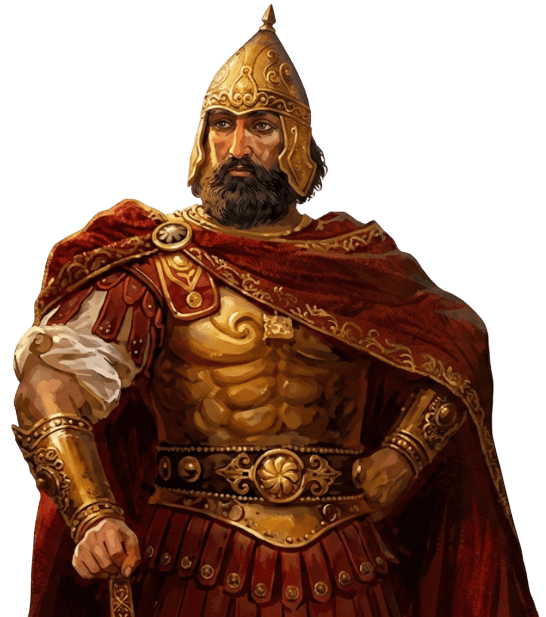
Artavasdes I reigned from 160 to 115 BC as the successor to his father, Artaxias I, in Armina (Greater Armenia). His reign was marked by a significant clash with the Parthian Empire around 120 BC, where he was defeated by Mithridates II.
115–95 BC
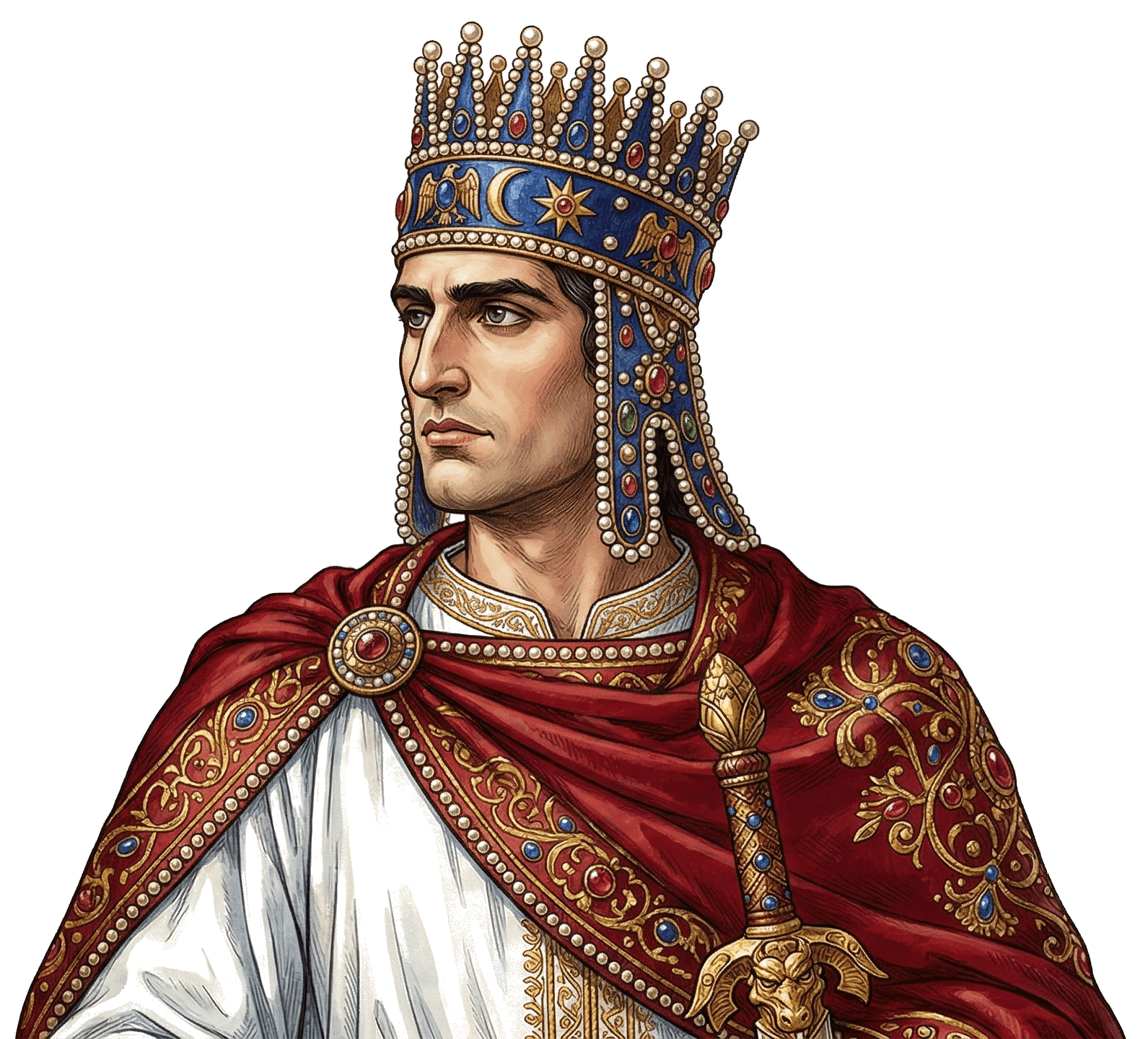
Tigranes I reigned from 120 to 95 BC as the fourth son of Artaxias I and the successor to his brother, Artavasdes I. Before ascending the throne, he served as the sparapet (commander) of the western army and played a key role in defending the highlands against Seleucid and Iberian incursions, eventually securing an alliance with the Iberian kingdom. His reign is characterized by historians as a period of successful resistance against the Parthian Empire and the maintenance of internal order.
The Great
95–55 BC
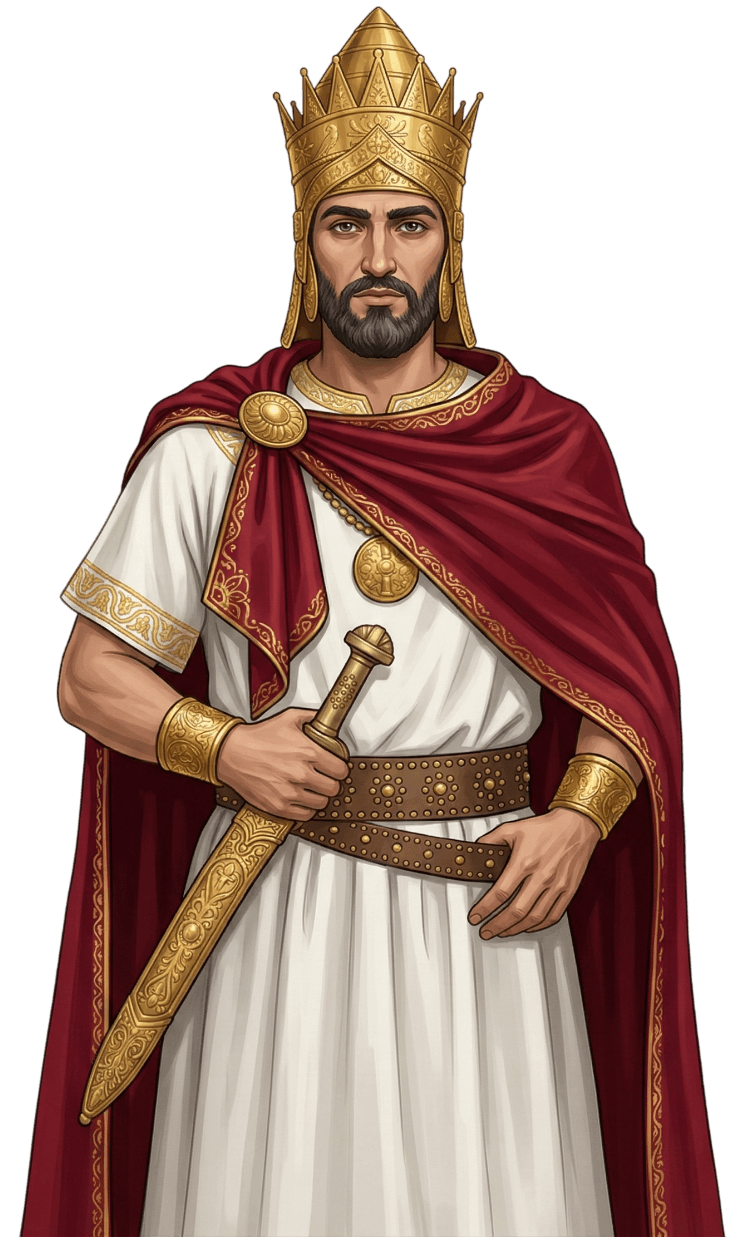
Tigranes the Great expanded Armenia to its greatest extent, building the capital city of Tigranocerta and earning the title "King of Kings." His empire stretched from the Mediterranean to the Caspian Sea. He fought over 12 major battles, winning 9, before eventually being defeated by Rome but retaining his throne.
The Playwright King
55–34 BC
Artavasdes II reigned from 55 to 34 BC, succeeding his father, Tigranes the Great, as the monarch of the Kingdom of Armina (Greater Armenia). Holding the title of "King of Kings," he inherited a powerful and independent state, continuing the legacy of the Artaxiad dynasty during a period of high-stakes diplomacy between Rome and the Parthian Empire. Known as an accomplished scholar of Greek literature and a composer of tragedies and histories, his reign was defined by the struggle to maintain Armenian sovereignty.
34–20 BC
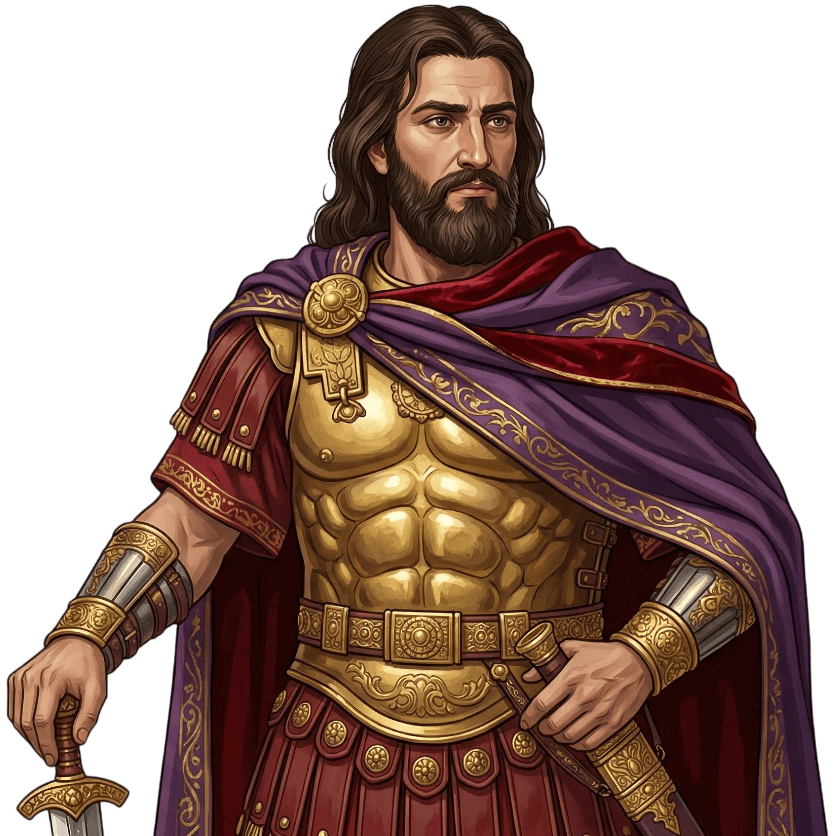
Artaxias II reigned from 30 to 20 BC as the eldest son of Artavasdes II and the last powerful representative of the Artaxiad dynasty. After his father was captured and taken to Egypt by Mark Antony, Artaxias II escaped to the court of Phraates IV of Parthia, where he formed a military alliance and married the Parthian king's daughter to prepare for the liberation of his homeland. In 30 BC, he successfully drove out the Roman forces and reclaimed the throne in Artaxata (Artashat), assuming the title of "King of Kings." His reign was defined by an uncompromising anti-Roman stance, characterized by the massacre of Roman garrisons and traders across the kingdom.
Roman Client King
20–8 BC
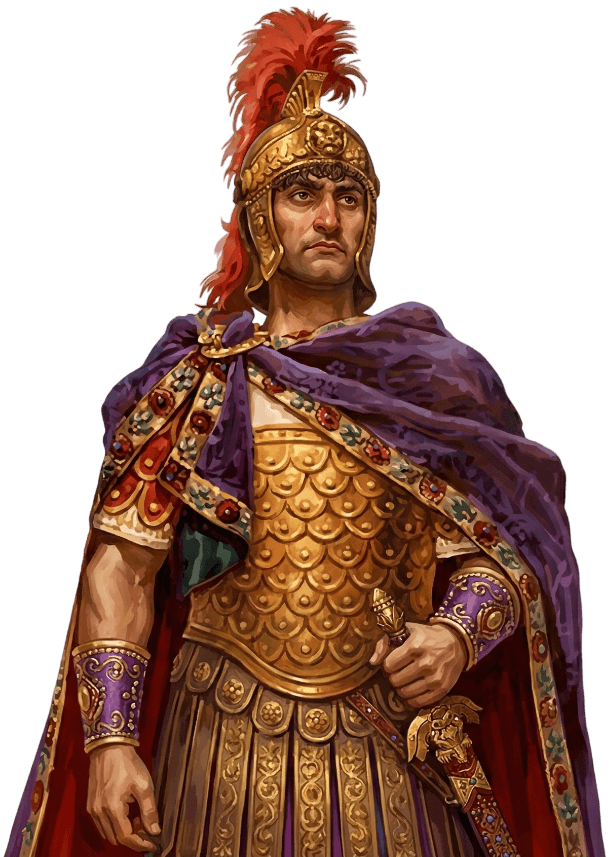
Tigranes III reigned from 20 to 8 BC as the monarch of the Kingdom of Armina (Greater Armenia), succeeding his brother, Artaxias II. After being captured by Mark Antony and spending ten years in Roman exile and education, he was installed on the Armenian throne by Tiberius following a palace conspiracy in Artaxata.
Co-rulers
Tigran IV 8-1 BC Erato 8-5 BC, 2-1 BC, 6-12 AD
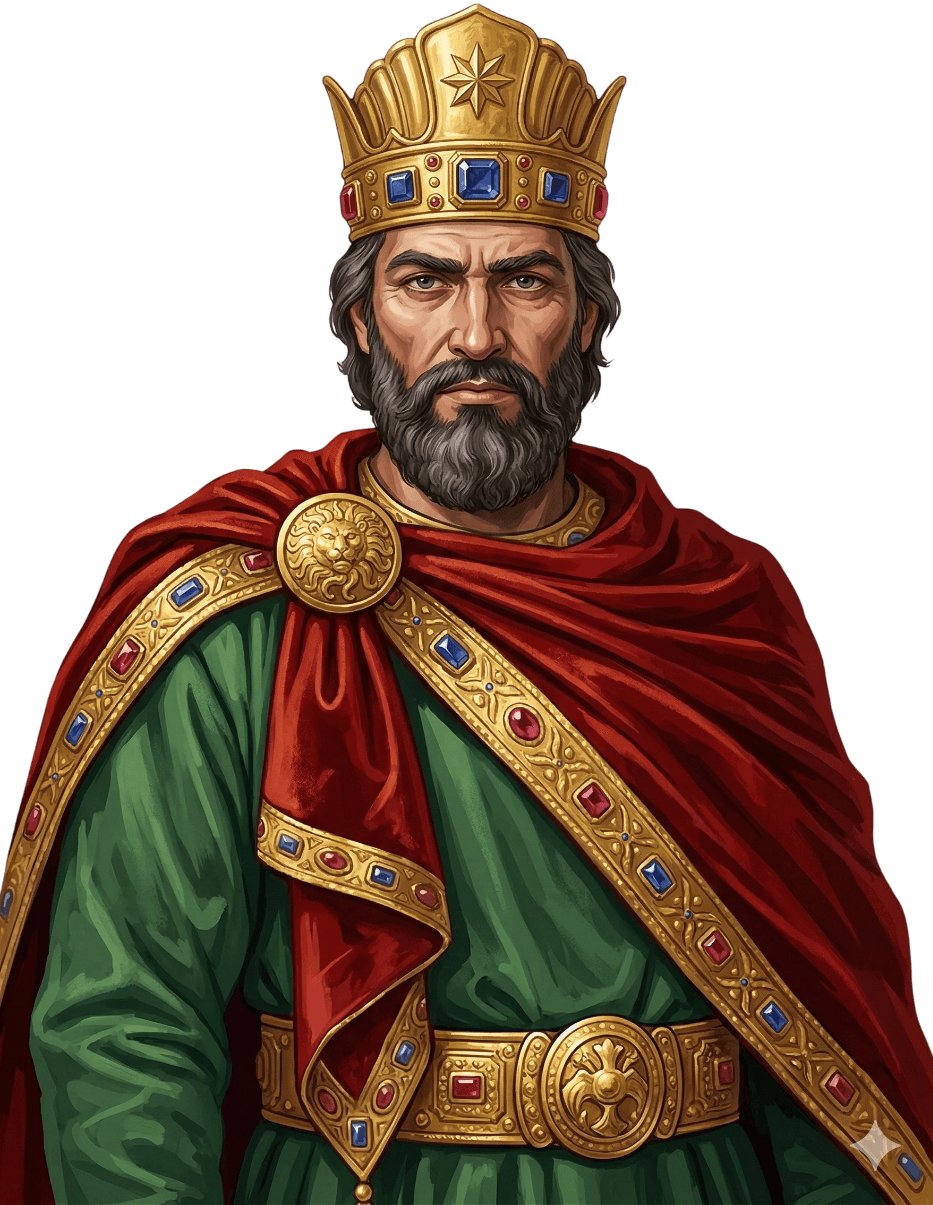
Tigranes IV reigned from 8 BC to 5 BC and again from 2 BC to 1 AD as the monarch of the Kingdom of Armina (Greater Armenia) alongside his sister-wife, Erato. Ascending the throne without the approval of Augustus, he initially leaned toward Parthia for support, which led to a Roman military intervention and his temporary replacement by his uncle, Artavasdes III. He was restored to power in 2 BC following a popular uprising against the Roman-appointed king who was viewed as a stranger to the Armenian reality.