Rubenid Dynasty
Cilician Armenia — a Crusader-era kingdom on the Mediterranean coast, crowned by the Holy Roman Emperor.
Royal Lineage
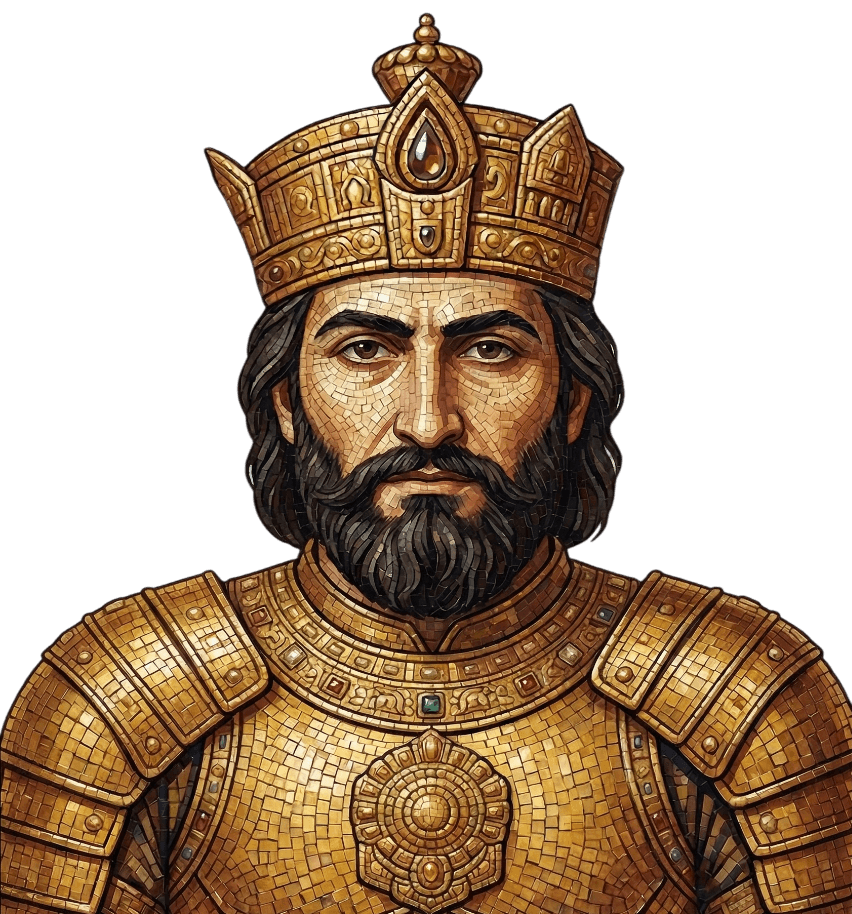
The Founder
1080–1095
Ruben I reigned from 1081 to 1095 AD as the first Lord of Cilician Armenia (Kilikia) and the foundational patriarch of the Rubenid dynasty. A descendant of the Bagratuni line, he was part of the royal retinue that accompanied King Gagik II to Constantinople and witnessed the monarch's forced exile and subsequent assassination by Byzantine governors. In 1080 AD, Ruben organized a revolt against the Byzantine Empire, rallying Armenian nobles to establish an independent princedom in the rugged highlands of Cilicia.
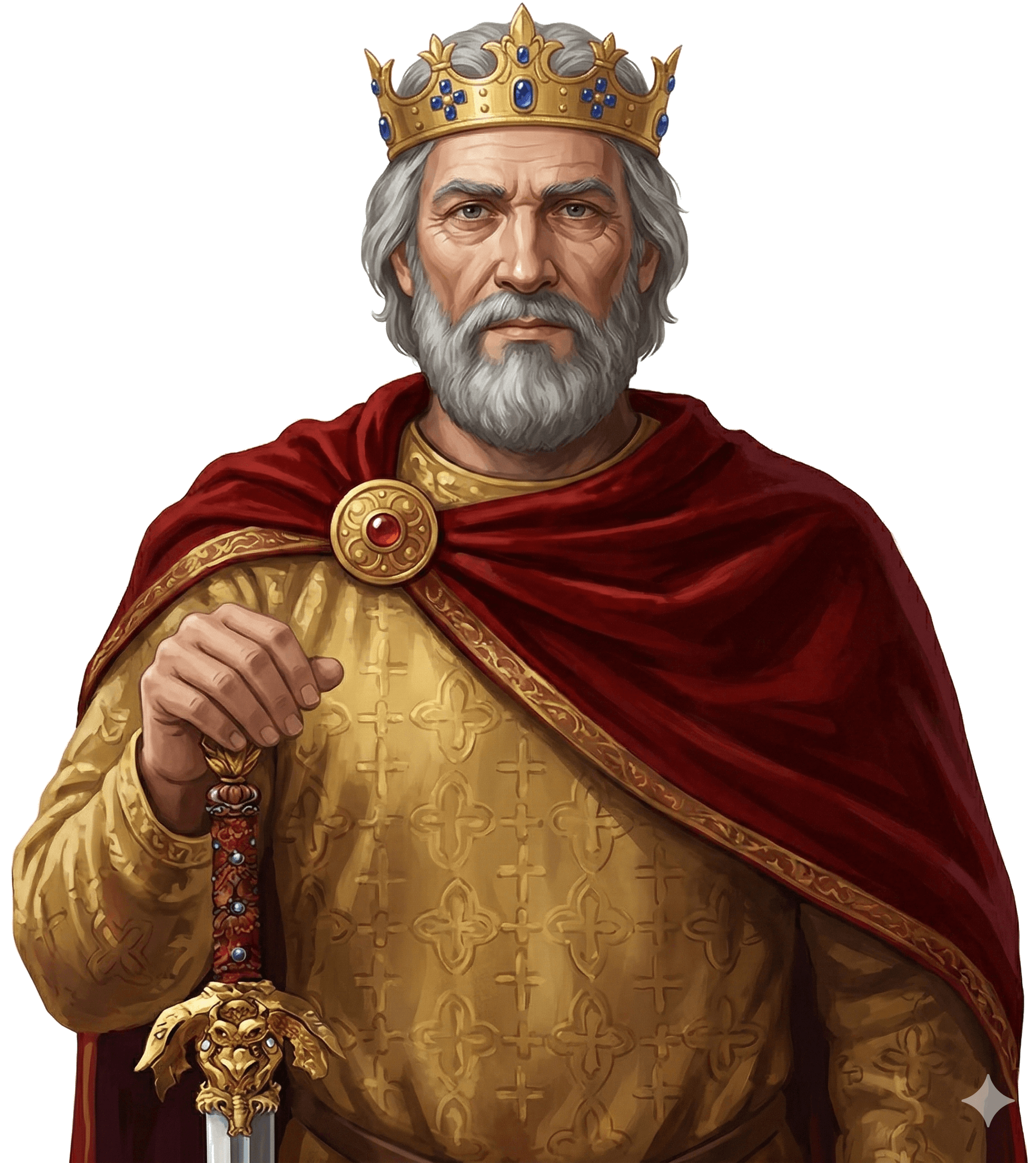
Baron
1095–1100 AD
Constantine I reigned from 1095 to 1102 AD as the second Lord of Cilician Armenia (Kilikia), succeeding his father, Ruben I. He solidified the foundations of the nascent Armenian state by liberating several provinces from both the Seljuq Turks and the Byzantine Empire.
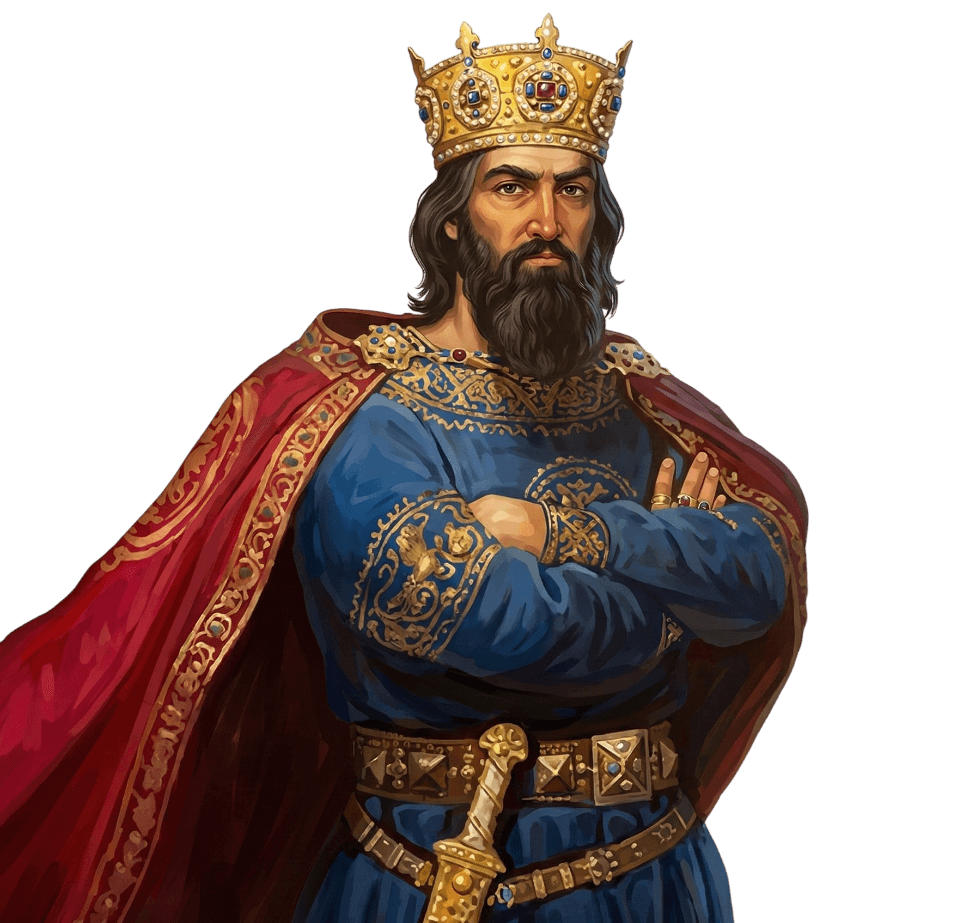
Prince
1100–1129 AD
Thoros I reigned from 1100 to 1129 AD as the third Lord of Cilician Armenia (Kilikia), succeeding his father, Constantine I. During his early years, he successfully expelled Byzantine forces from the region and unified the territories of the Cilician Plain.
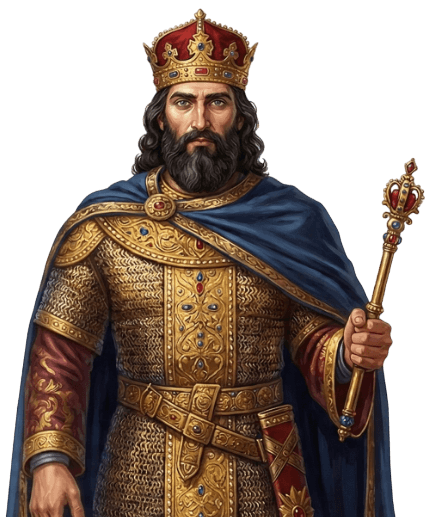
Prince
1129–1137 AD
Leo I reigned from 1129 to 1137 AD as the fifth Lord of Cilician Armenia (Kilikia), succeeding his brother Thoros I. A forceful and ambitious leader from the Rubenid (Rubinyan) house, he sought to throw off the Byzantine yoke and establish himself as an independent monarch.
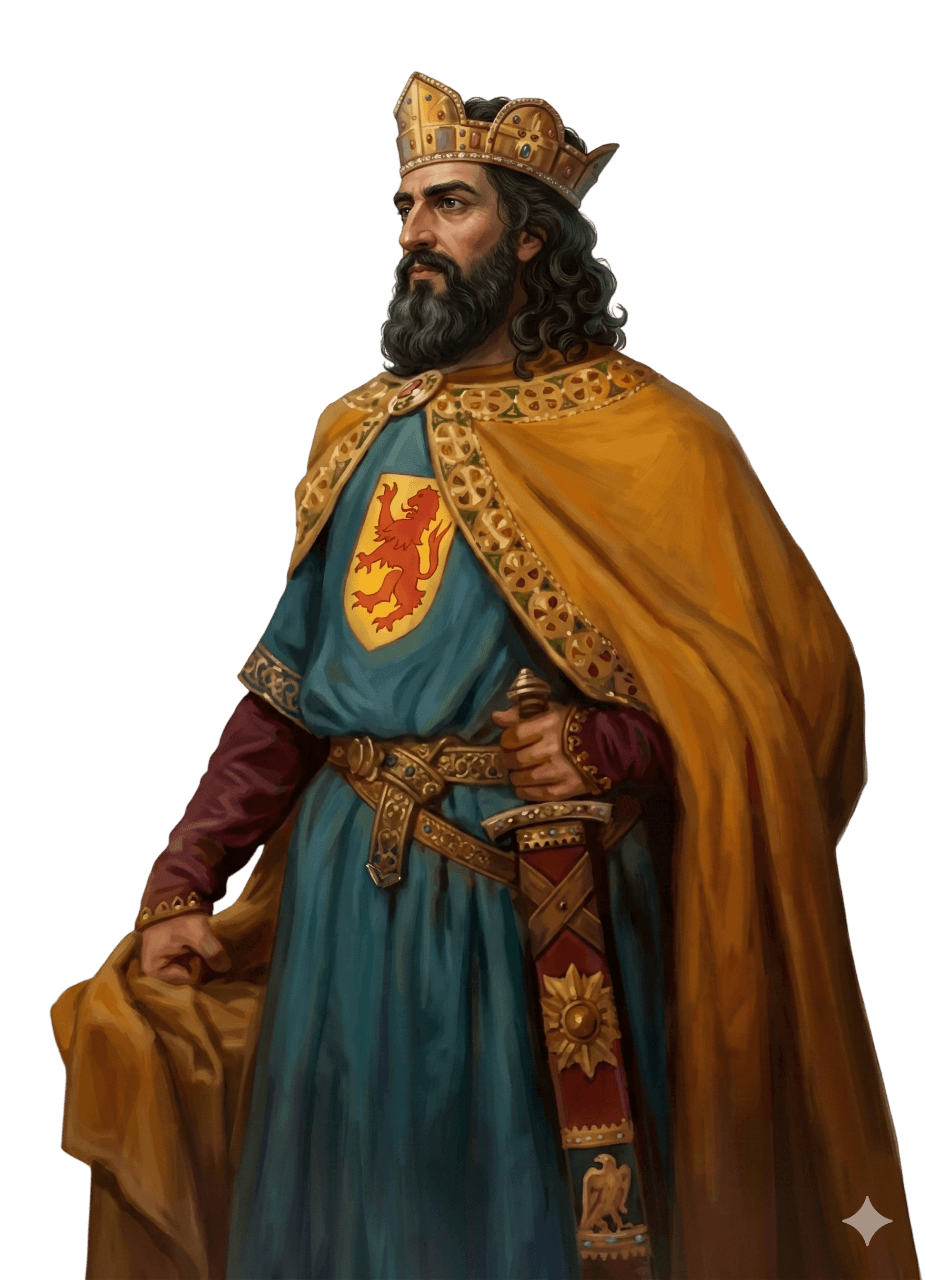
Prince
1145–1169 AD
Thoros II reigned from 1145 to 1168 as the sixth Lord of Cilician Armenia (Kilikia) and is historically celebrated as the restorer of Armenian statehood. After being kidnapped in 1137 and spending years in Byzantine captivity following the fall of his father, Leo I, he escaped from Constantinople and returned to his homeland.
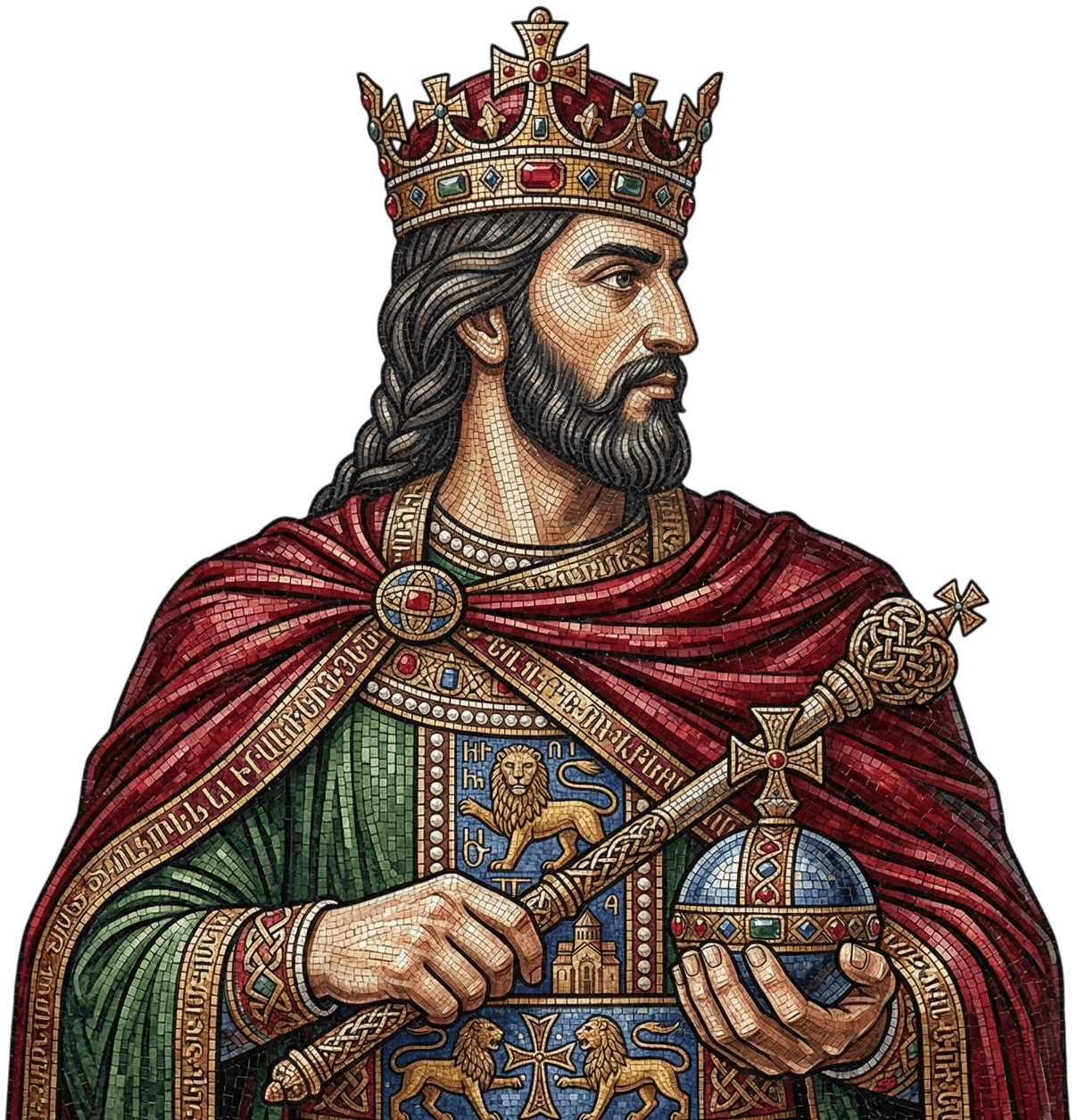
1169-1170 AD
Ruben II reigned between 1169 and 1170 AD as the seventh Lord of Cilician Armenia (Kilikia), succeeding his father, Thoros II. Because he was an underaged child at the time of his father's death, the administration of the country was entrusted to his maternal grandfather, the Baillie Thomas, who served as regent with the duty of governing until the boy reached maturity. His short and tragic reign was immediately contested by his uncle, Mleh, who invaded the highlands with an army from the Sultan of Aleppo.
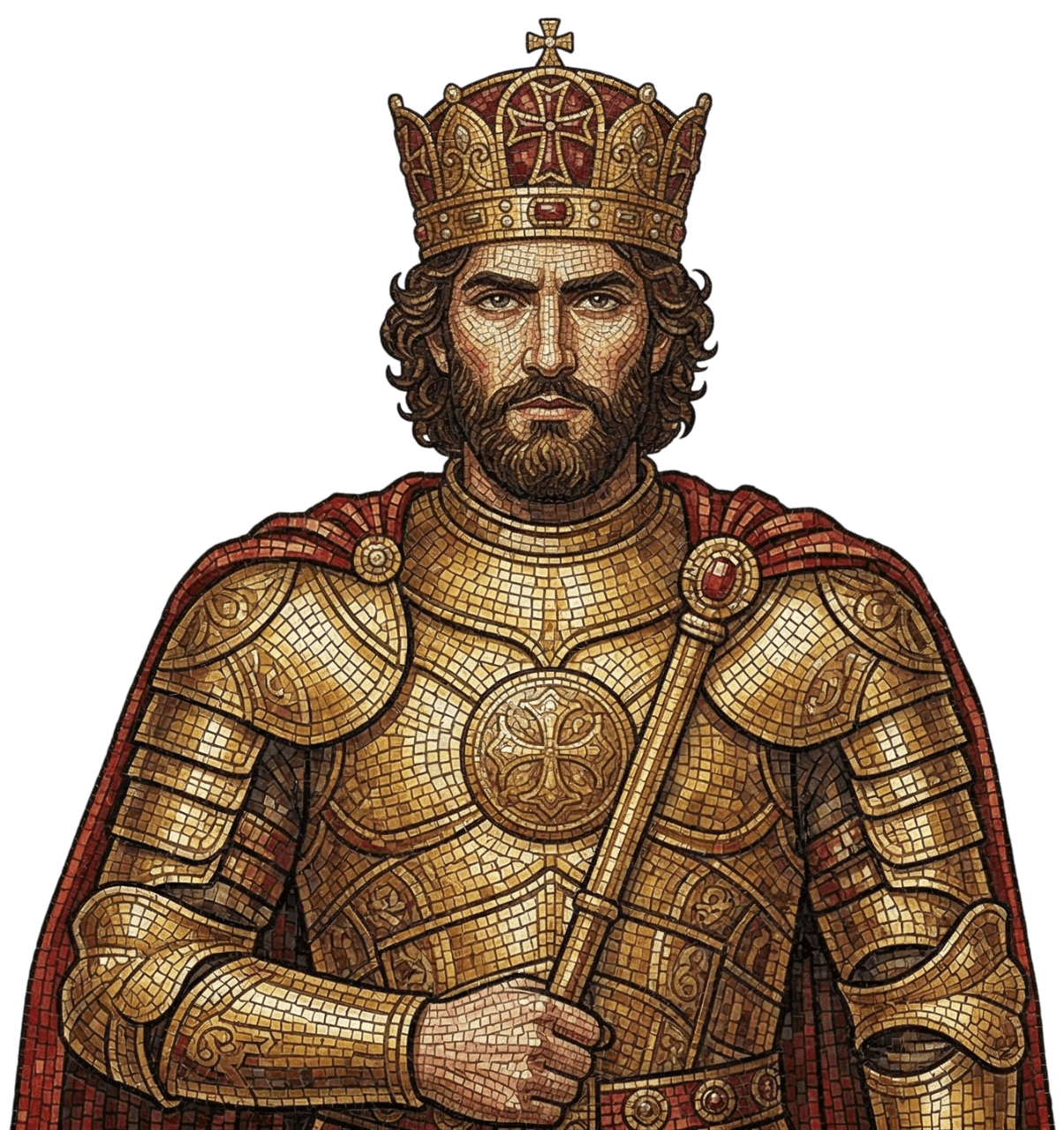
Prince
1170–1175 AD
Mleh usurped the throne with Muslim support and allied with Nur ad-Din Zangi. He was eventually murdered by his own nobles.
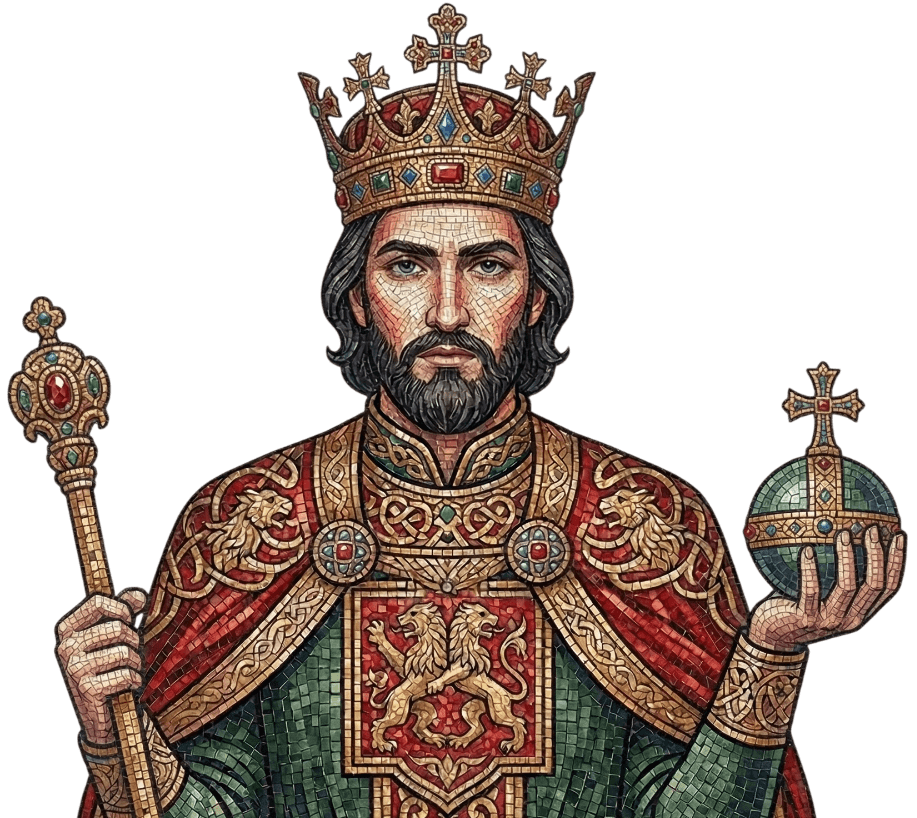
1175-1187 AD
Ruben III reigned from 1175 to 1187 as the ninth Lord of Cilician Armenia (Kilikia). A member of the Rubenid (Rubinyan) house and the eldest son of Prince Stephen, he assumed the throne following the assassination of his uncle, Mleh.
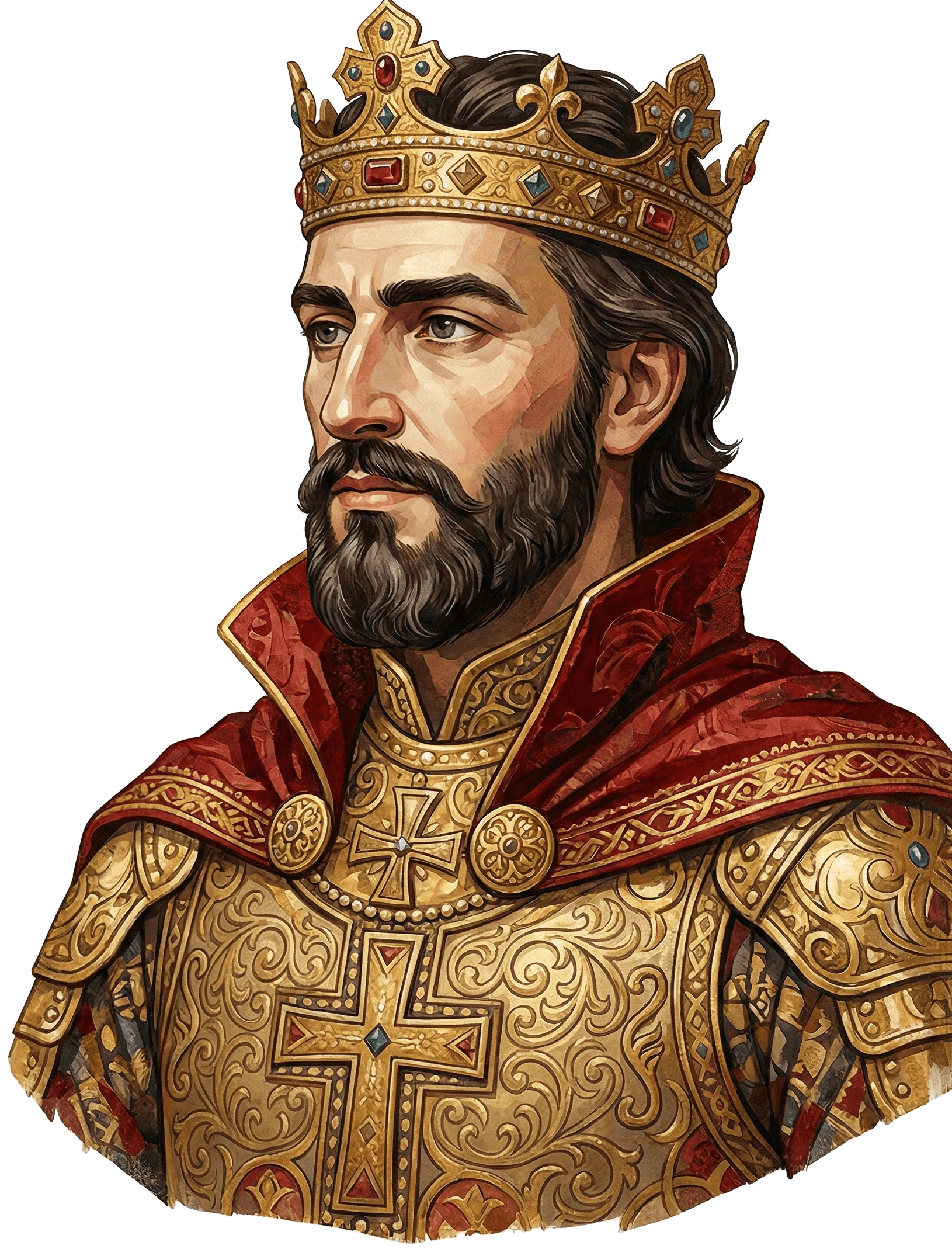
The Magnificent
1187–1219 AD
Leo I, known as Levon the Magnificent or the Great-Doer (Metsagorts), reigned as the tenth Lord of Cilician Armenia (Kilikia) from 1187 and was consecrated as its first King in 1198/9. A valiant and learned monarch of the Rubenid (Rubinyan) house, he transformed a regional principality into a sovereign kingdom recognized by the Holy Roman Empire and the Papacy.