Urartu Predecessors
The first Armenian kingdom, forged from the Nairi tribes of the highlands to resist the Assyrian Empire.
Royal Lineage
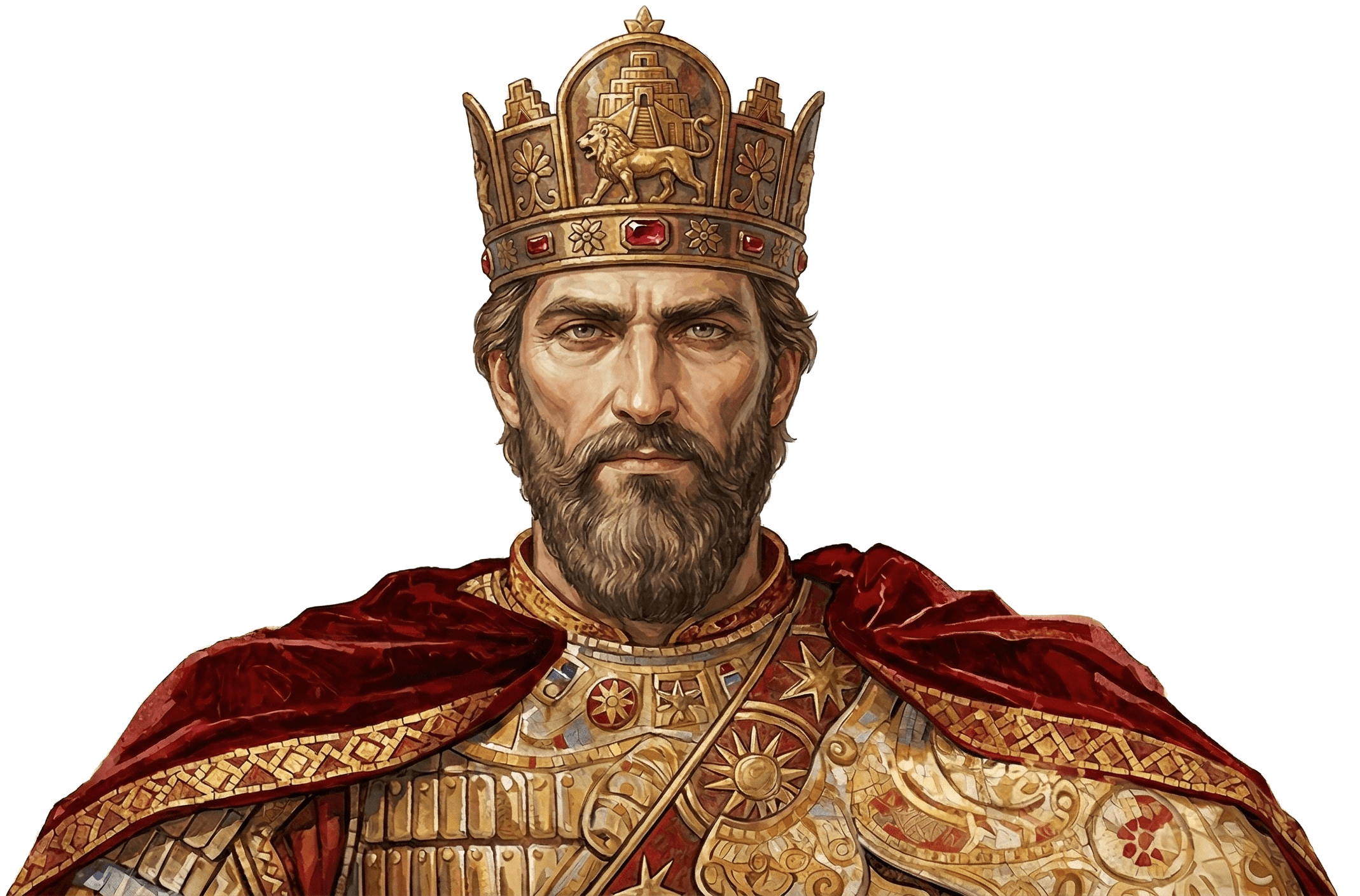
The Founder
~860–844 BC
Arame was the first known king of Urartu, ruling from roughly 858 to 844 BC. He successfully united the Nairi tribes of the Armenian Highlands into a centralized state to defend against foreign threats. His reign was characterized by constant warfare against the Neo-Assyrian king Shalmaneser III. Although his capital Arzashkun was eventually destroyed by the Assyrians, Arame's efforts laid the groundwork for the powerful Urartian dynasty that followed.
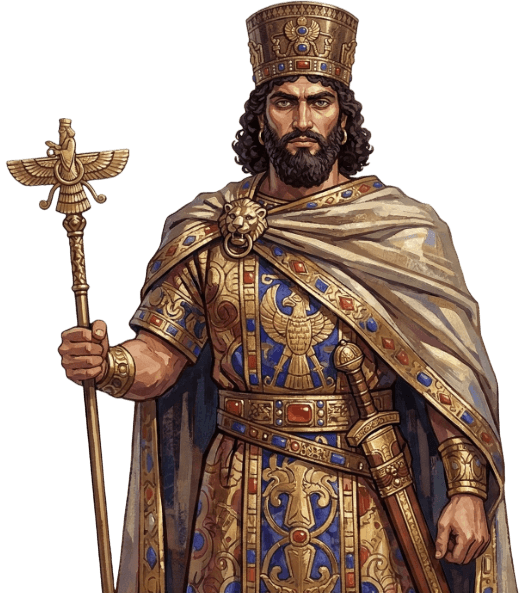
844–834 BC
Lutipri was a ruler of the ancient kingdom of Urartu who reigned from approximately 844 to 834 BC. He is primarily known as the father of Sarduri I, the king who later established the capital city of Tushpa. Unlike many other Urartian monarchs, there are no known surviving inscriptions written by Lutipri himself. His existence is confirmed through later royal titles which identify his successor, Sarduri I, specifically as the "son of Lutipri."
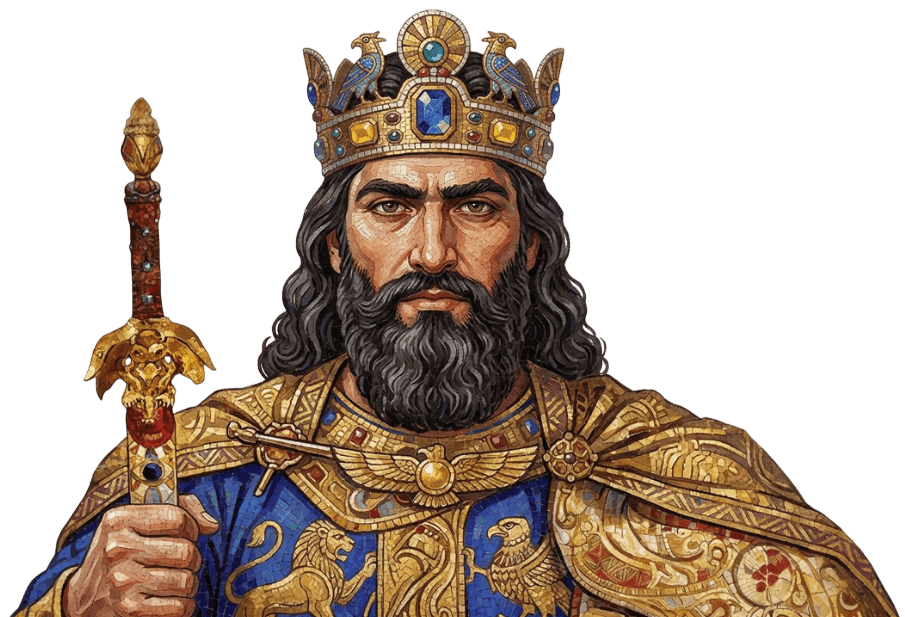
~835–825 BC
Sarduri I reigned from 835 to 825 BC over the Kingdom of Ararat (Urartu). Continuing the policies of his predecessors, Arame and his father Lutipri, he successfully resisted Assyrian raids while significantly expanding and strengthening the kingdom's borders.
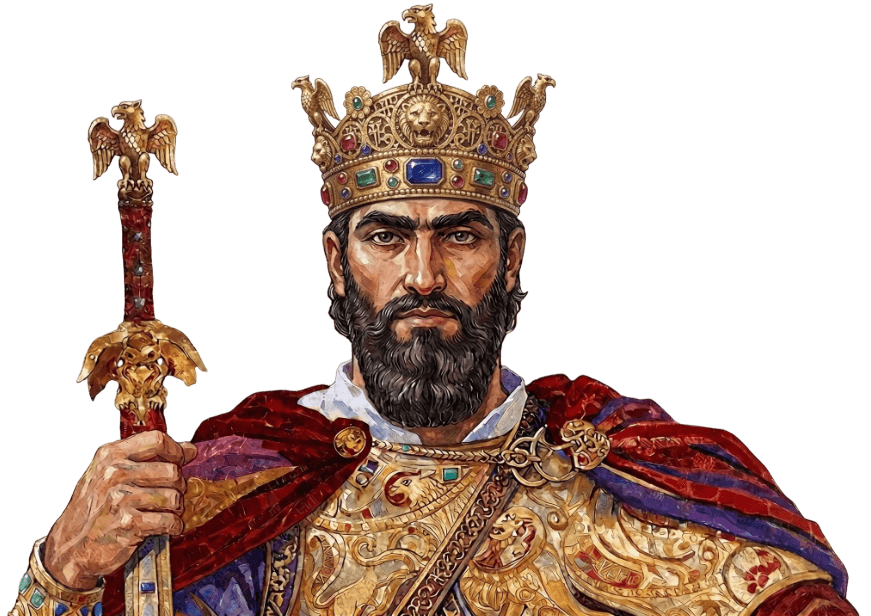
828–810 BC
Ishpuini reigned over the Kingdom of Urartu from approximately 828 to 810 BC. He faced the final waves of Shalmaneser III's military pressure, which were often led by the Assyrian commander Dayyan-Ashur. Following Shalmaneser's death and the subsequent Assyrian civil war, Ishpuini introduced a centralized administrative structure and expanded the kingdom to Musasir.
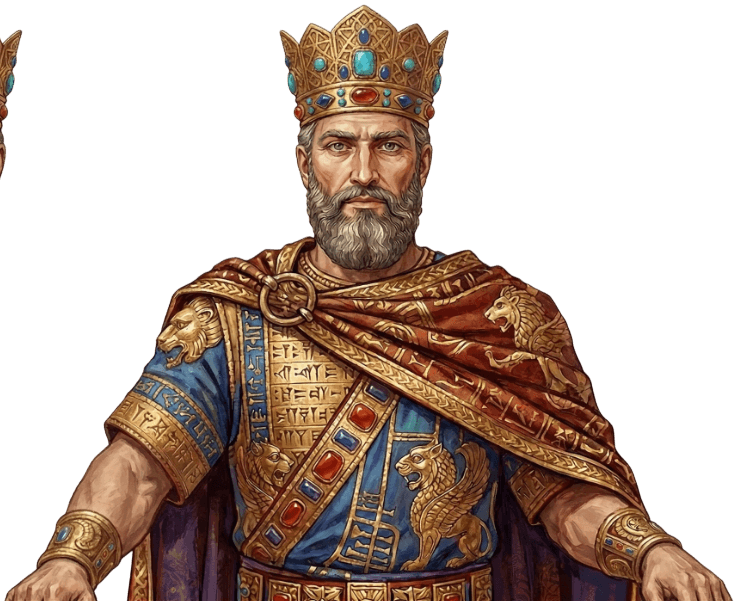
810–786 BC
Menua was the fifth king of Urartu, reigning from approximately 810 to 786 BC after serving as co-regent with his father, Ishpuini. He was a prolific builder and military strategist who significantly expanded the kingdom's territory toward the north and east. He is most celebrated for the construction of the "Menua Canal," a massive 80-kilometer-long irrigation project that continues to supply water to the region today.
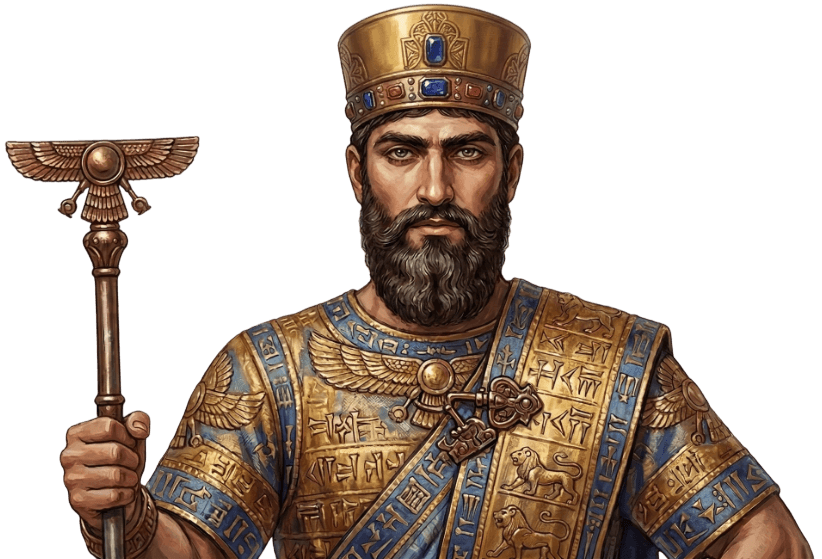
Co-King
c. 810–785 BC
Inushpua served as co-king alongside his father Menua during the early 8th century BC. Little is known of his individual reign, as the historical record focuses primarily on Menua's accomplishments during this period of shared rule.
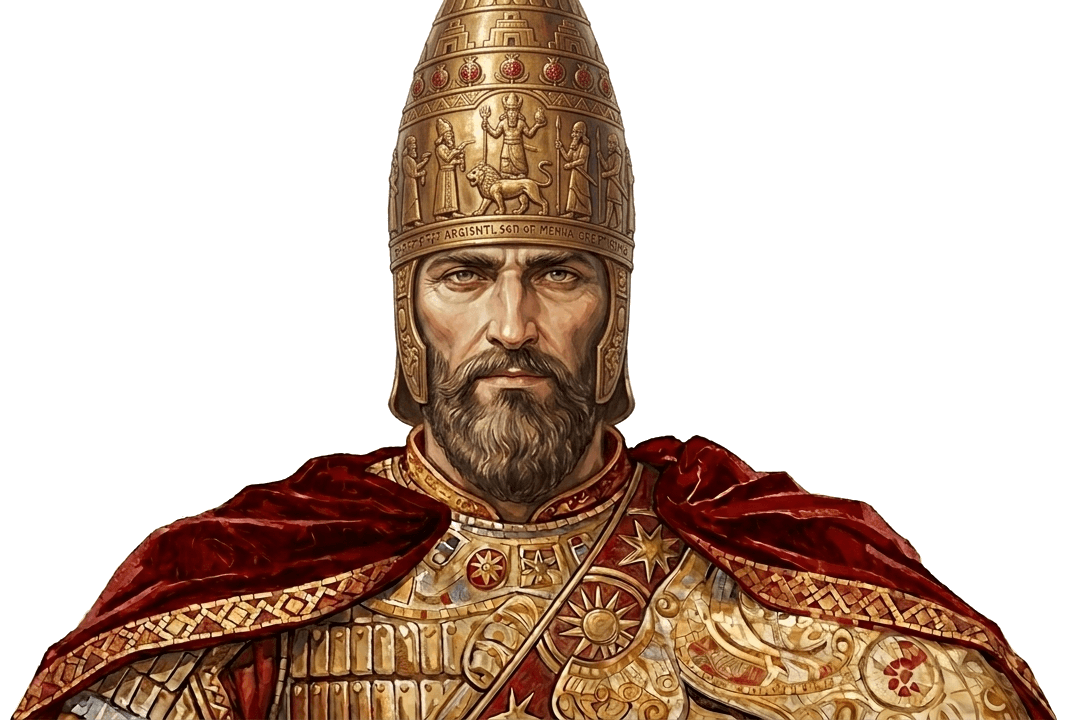
Founder of Erebuni
786–764 BC
Argishti I reigned from 786 to 764 BC as the sixth monarch of the Kingdom of Ararat (Urartu), leading the state to the absolute pinnacle of its military and political power. The son and successor of Menua, he conducted near-annual military campaigns that expanded the kingdom's reach from the shores of Lake Sevan and the Ararat Valley (Yerevan) to the northern regions of Syria and even reaching the Persian Gulf.
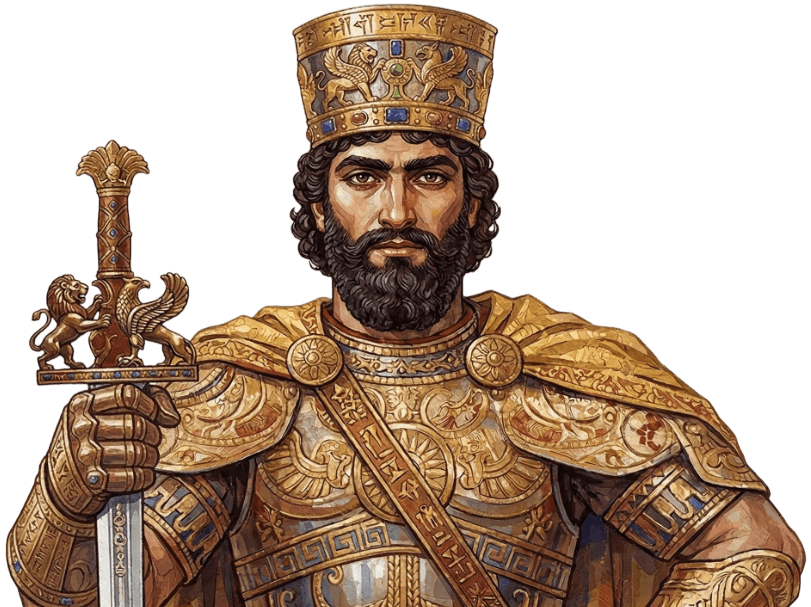
764–735 BC
Sarduri II reigned from 764 to 735 BC as the King of the Kingdom of Ararat (Urartu), succeeding his father, Argishti I. Under his rule, the kingdom reached the peak of its territorial expansion, with borders stretching from Kulkhai (Colchis) and the Kur River in the north to Northern Mesopotamia and the Euphrates in the west.
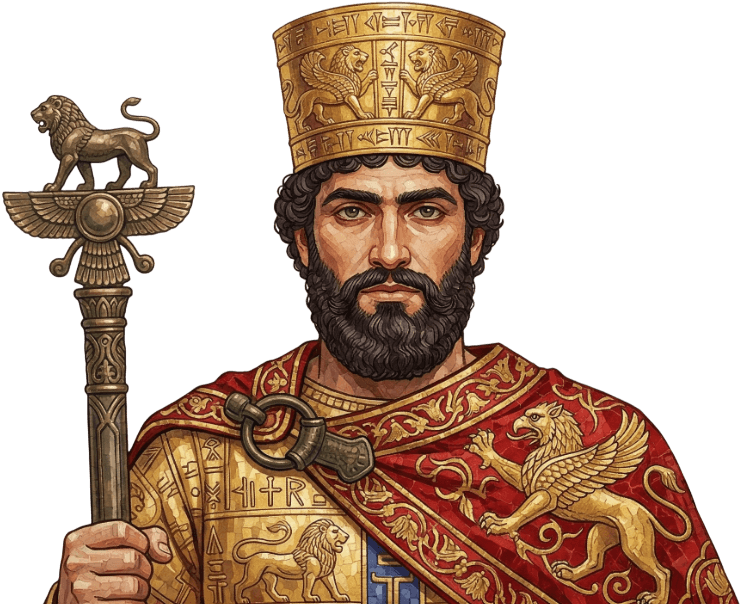
735–714 BC
Rusa I, known to the Assyrians as Ursa and possibly born as Uedipri, reigned from 735 to 714 BC as the King of the Kingdom of Ararat (Urartu). Succeeded his father, Sarduri II, during a period of Assyrian resurgence, Rusa I focused his early reign on internal stabilization and administrative reform.
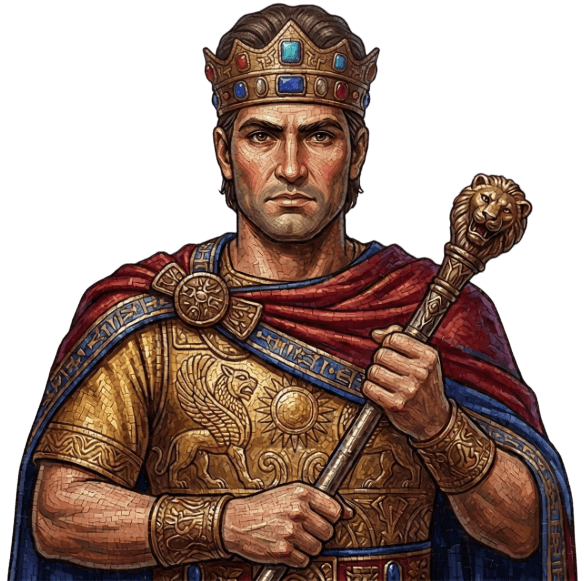
c. 714–713 BC
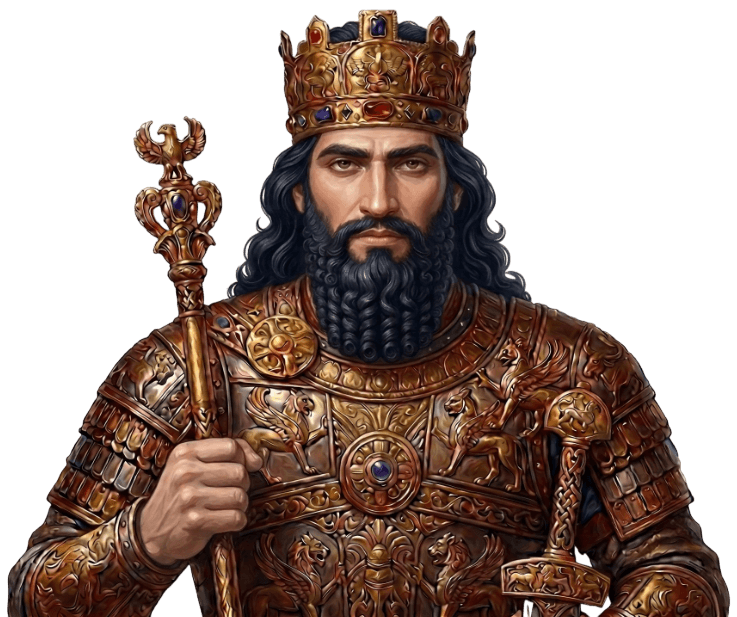
714–685 BC
Argishti II reigned from 714 to 685 BC as the monarch of the Kingdom of Ararat (Urartu), succeeding his father, Rusa I. His reign was defined by the systematic restoration of the state following the destructive Assyrian invasion of 714 BC.
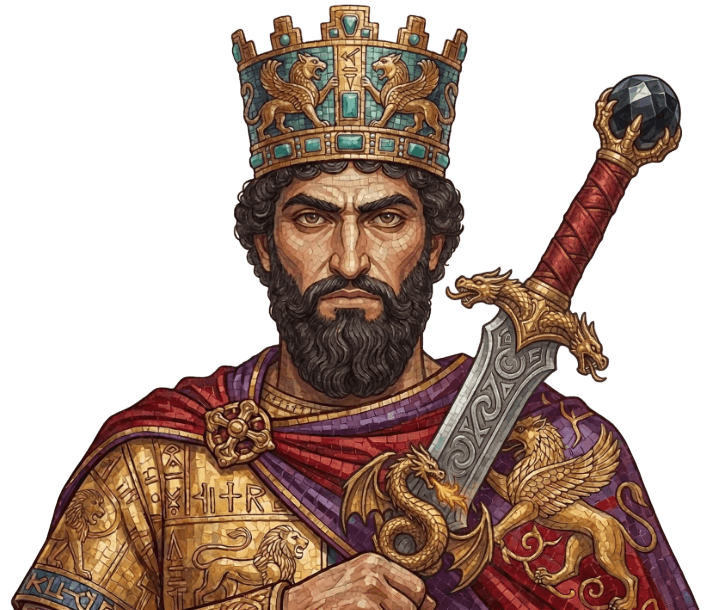
685–639 BC
Rusa II reigned from 685 to 645 BC, though some records extend his rule until 639 BC, as the last most prominent monarch of the Kingdom of Ararat (Urartu). The son and successor of Argishti II, he bore the titles of "Great King," "King of the Universe," and "King of Biainili." His reign was characterized by a massive resurgence in both domestic infrastructure and active foreign diplomacy.
639–625 BC
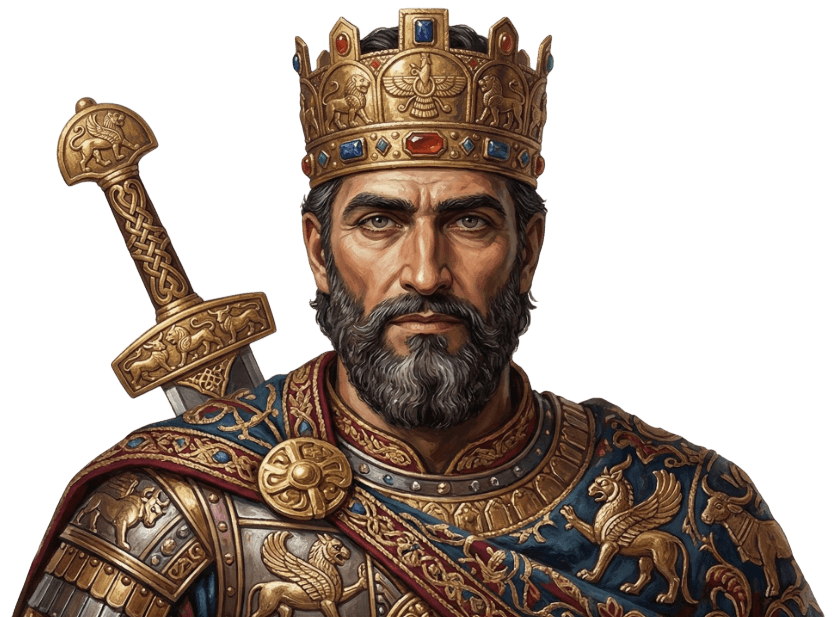
Sarduri III reigned from 639 to 625 BC during a period of significant decline for the Kingdom of Ararat (Urartu). A contemporary of the Assyrian King Ashurbanipal, his reign was marked by the kingdom's transition into a vassal state.

625–615 BC
Rusa III was a king of the Kingdom of Ararat (Urartu), identified in inscriptions as the son of Erimena. He is recorded as the father of Sarduri IV and may have been the nephew or cousin of Rusa II. There is significant confusion regarding the actual dates of his rule and his identity within the royal line.
615–595 BC (co-ruler/contested)
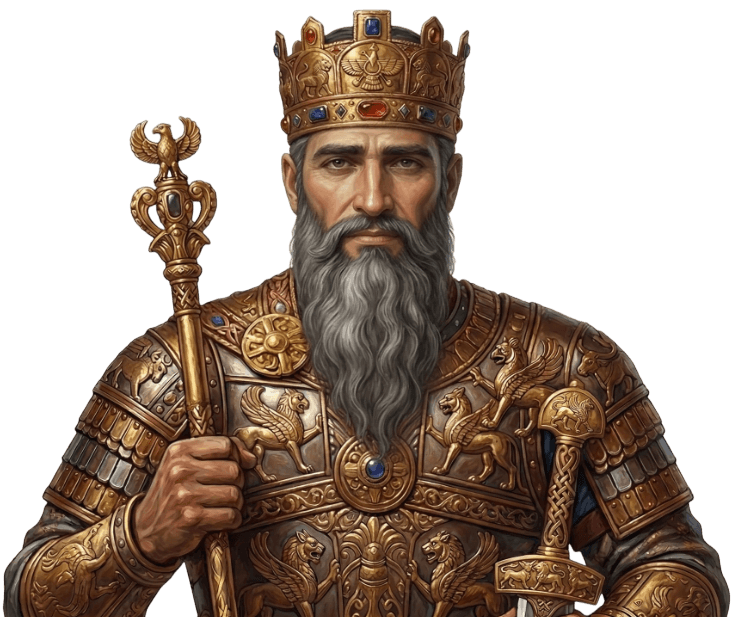
Sarduri IV was one of the final monarchs of the Kingdom of Ararat (Urartu), reigning during a period of terminal decline. While English sources date his rule from 615 to 595 BC as the son of Rusa III, Armenian accounts place him between 650 and 620 BC as the son and successor of Sarduri III. His reign was defined by the loss of central authority over the kingdom’s periphery due to simultaneous invasions by Assyrian forces, the Medes, and the Scythians.
Last of Urartu
590–585 BC
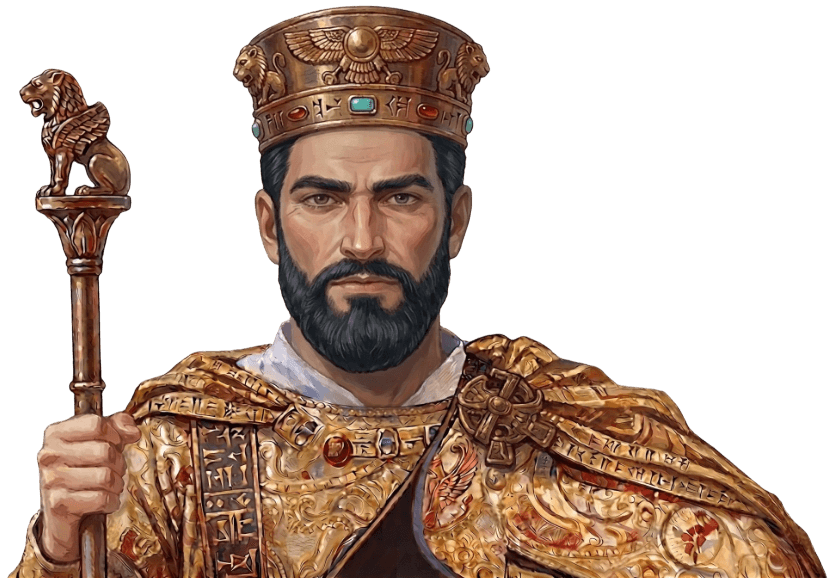
Rusa IV reigned from 595 to 585 BC as a monarch of the Kingdom of Ararat (Urartu). The son of Rusa III and the successor to Sarduri IV, he occupied the throne during the final years of the kingdom’s existence. His authority is historically verified through archaeological discoveries at the site of Teishebaini (Karmir-Blur), where his name appears on royal clay tablets and official inscriptions.