Arsacid Dynasty
The Arshakuni kings who made Armenia the first Christian nation in history (301 AD).
Royal Lineage
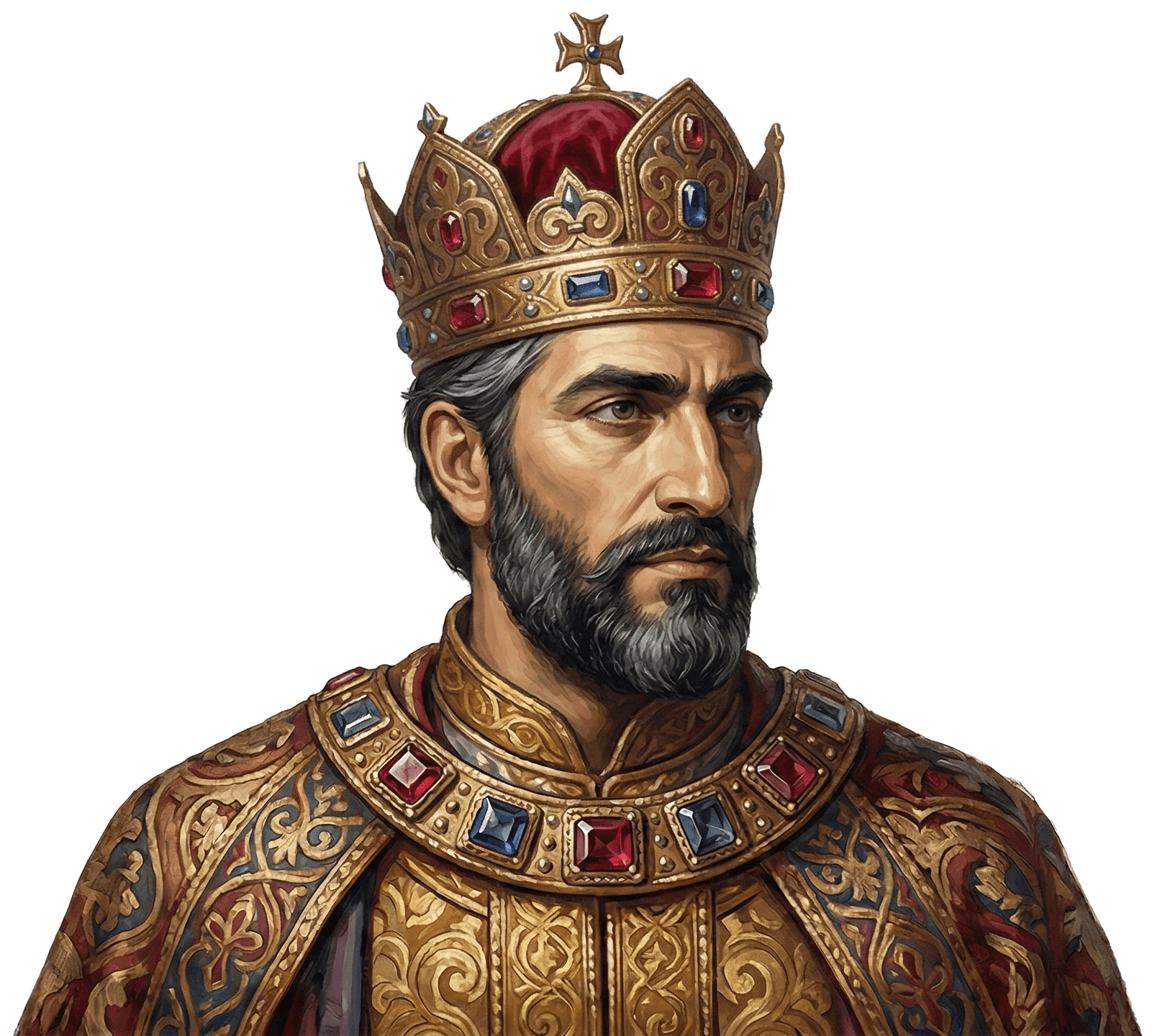
Crowned by Nero
52–58 AD; 63–88 AD
Tiridates I reigned as the King of Armina (Armenia) beginning in 53 AD and was the foundational monarch of the Arsacid dynasty. The youngest son of the Parthian King Vonones II and a devoted Zoroastrian priest, his ascension followed a period of intense warfare between the Roman Empire and Parthia. His reign was solidified by a historic peace agreement with the Roman Emperor Nero, who formally crowned him in Rome in 66 AD.
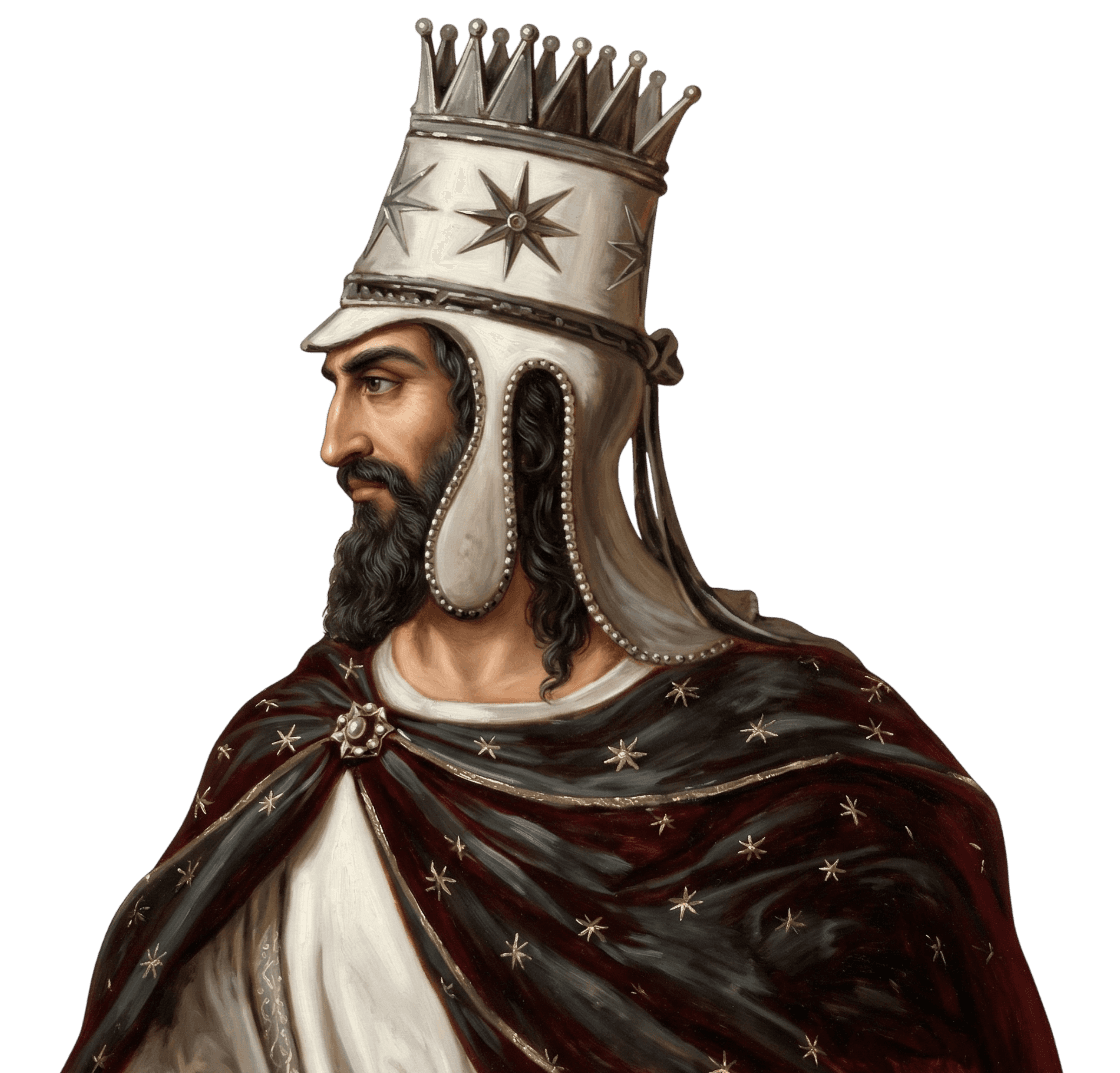
88–110 AD
Sanatruces is associated with the martyrdom of St. Sandukht; early Armenian church traditions trace their roots to his reign. He defended borders against Roman incursions under Domitian's governors.
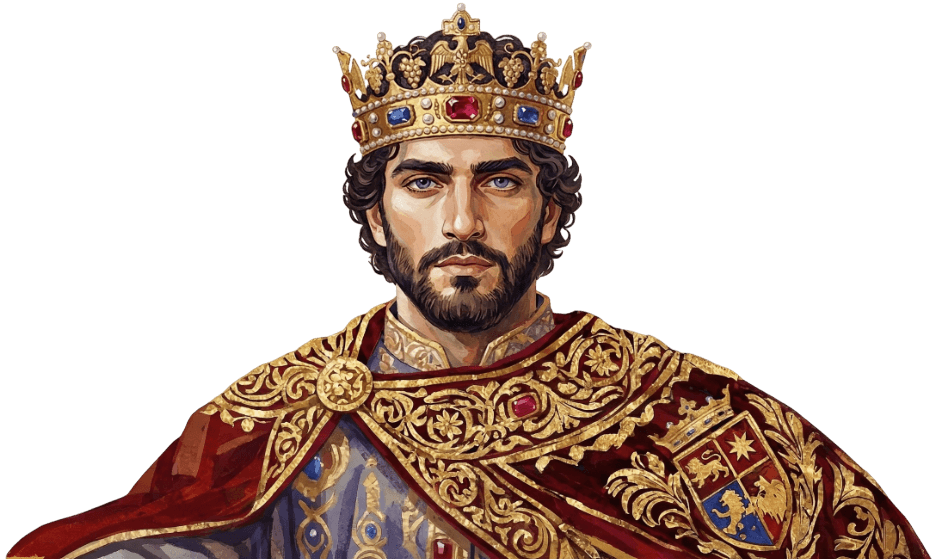
110–113 AD
Axidares was installed by Parthia without Roman consent, leading to Emperor Trajan's massive invasion of Armenia.
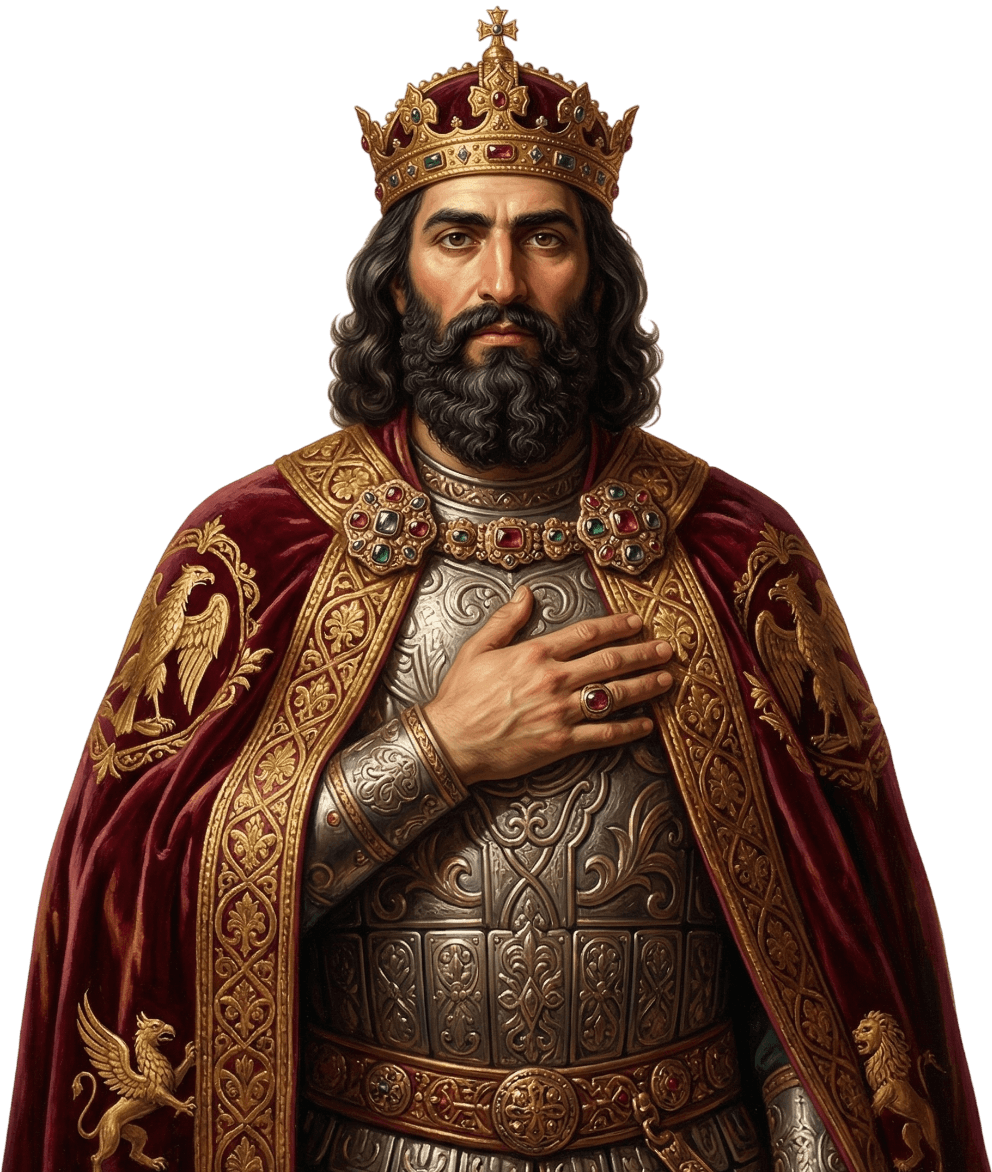
113–114 AD
Parthamasiris tried to negotiate with Trajan by removing his crown in a gesture of submission, but Trajan refused and later had him killed. Armenia briefly became a Roman province.
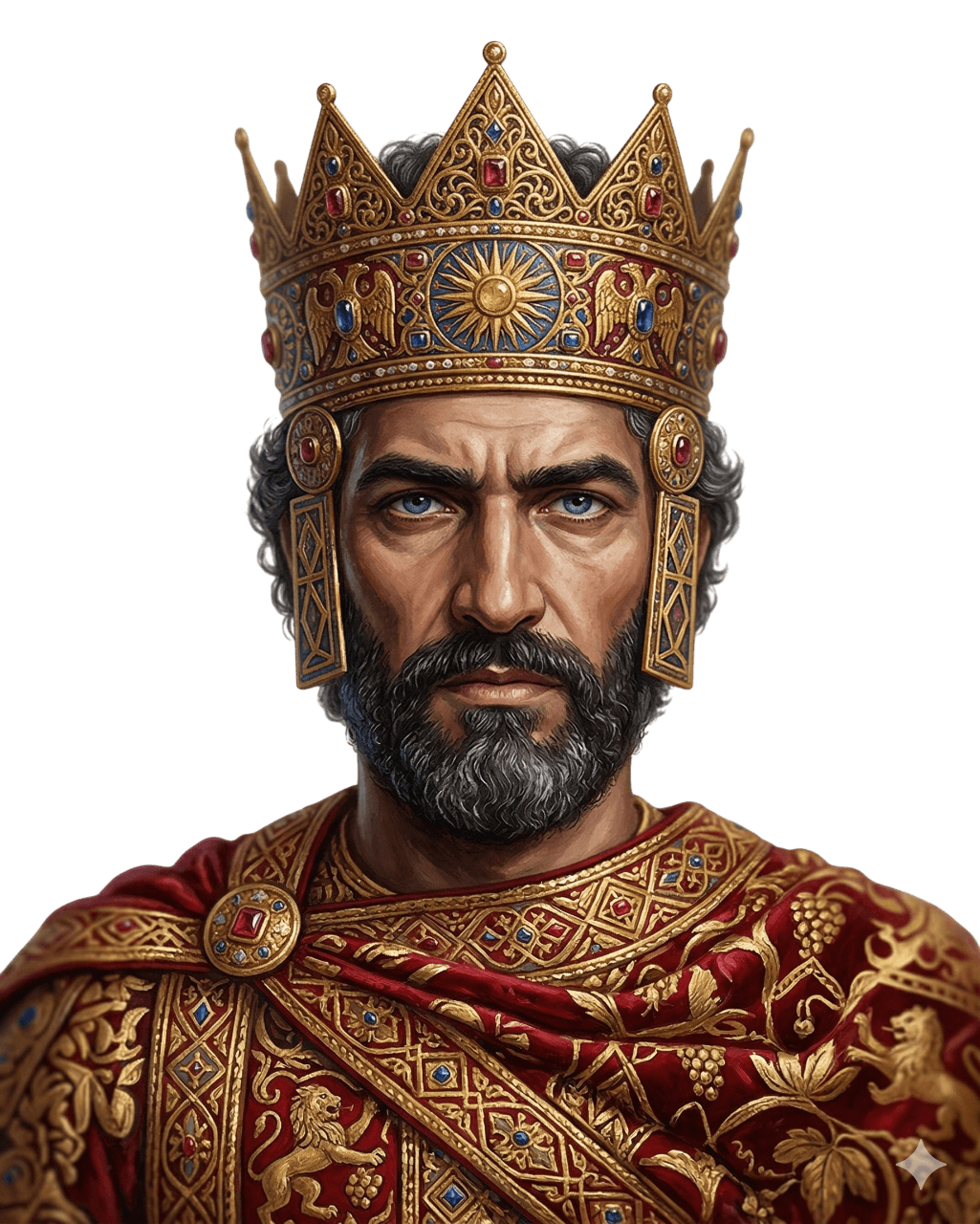
117-144 AD
Vaghars I reigned from 117 to 140 AD as the monarch of the Kingdom of Armina (Greater Armenia) and the son of King Sanatruk. In the summer of 116, he led a successful liberation struggle against Roman occupiers, restoring Armenian independence with the support of the Parthian King Osroes I.
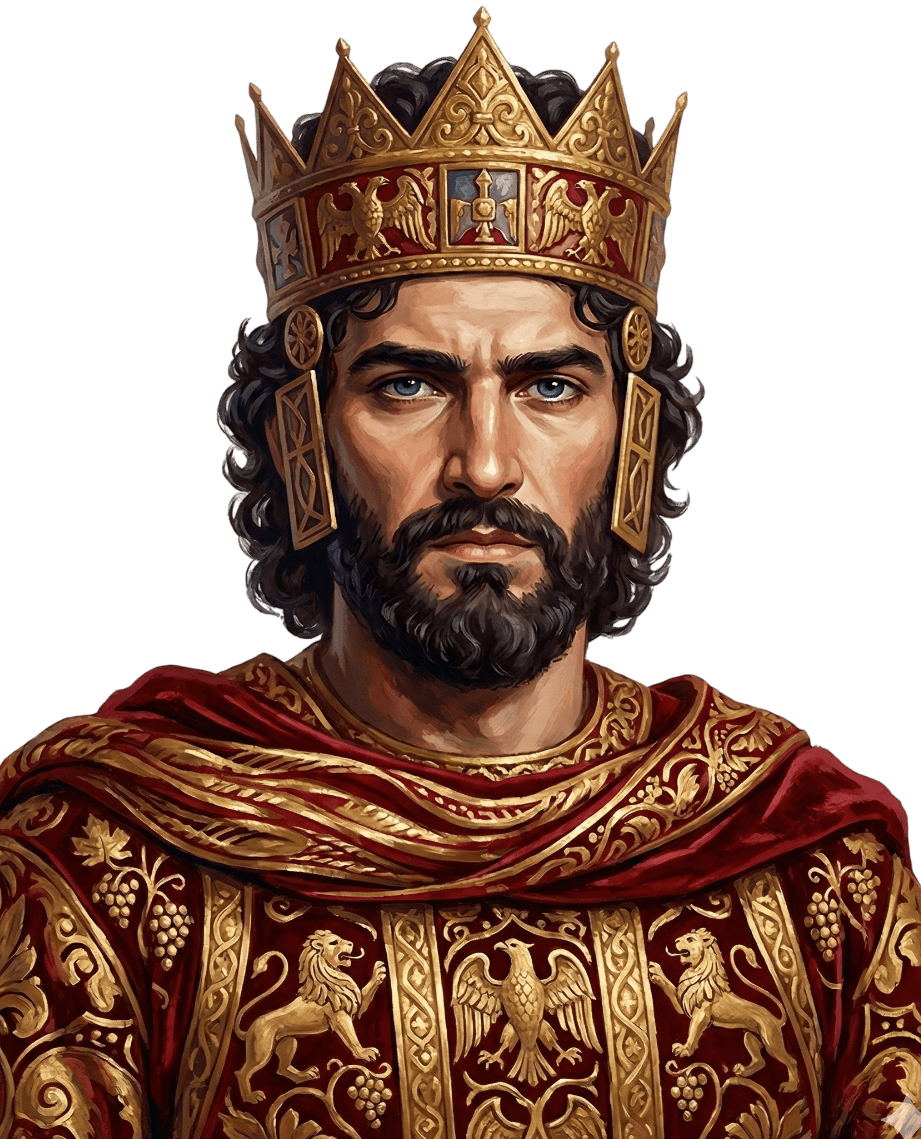
144–161; 164–186 AD
Sohaemus was a Roman Senator of Armenian royal descent. He was twice installed and twice deposed by Parthian forces during the complex power struggles between Rome and Parthia.
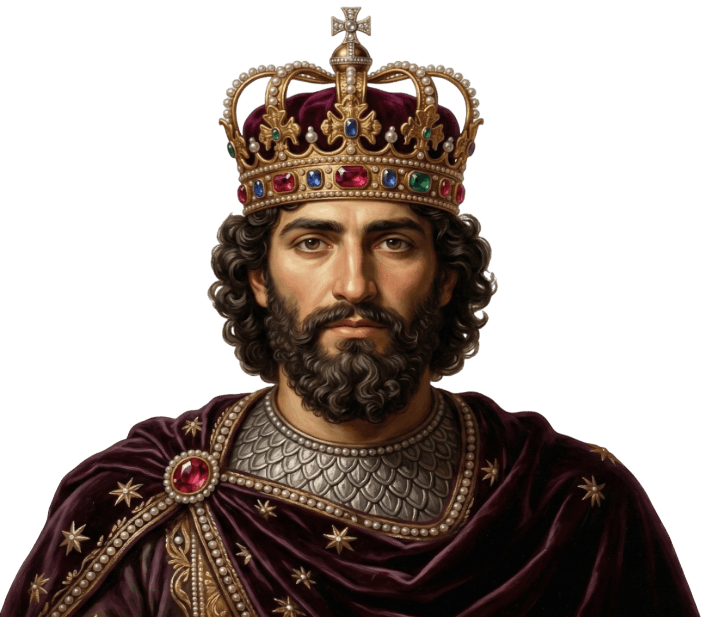
161-163 AD
Bakur I, also known as Aurelius Pacorus, reigned from 161 to 163 AD as the King of Armina (Greater Armenia). A Parthian prince and the son of Vologases IV, he was installed on the throne by his father during the Roman-Parthian War after the Roman client-king Sohaemus was successfully expelled from the highlands. His brief reign came to an end when the Roman general Statius Priscus captured the capital of Artaxata (Artashat) and arrested the king.
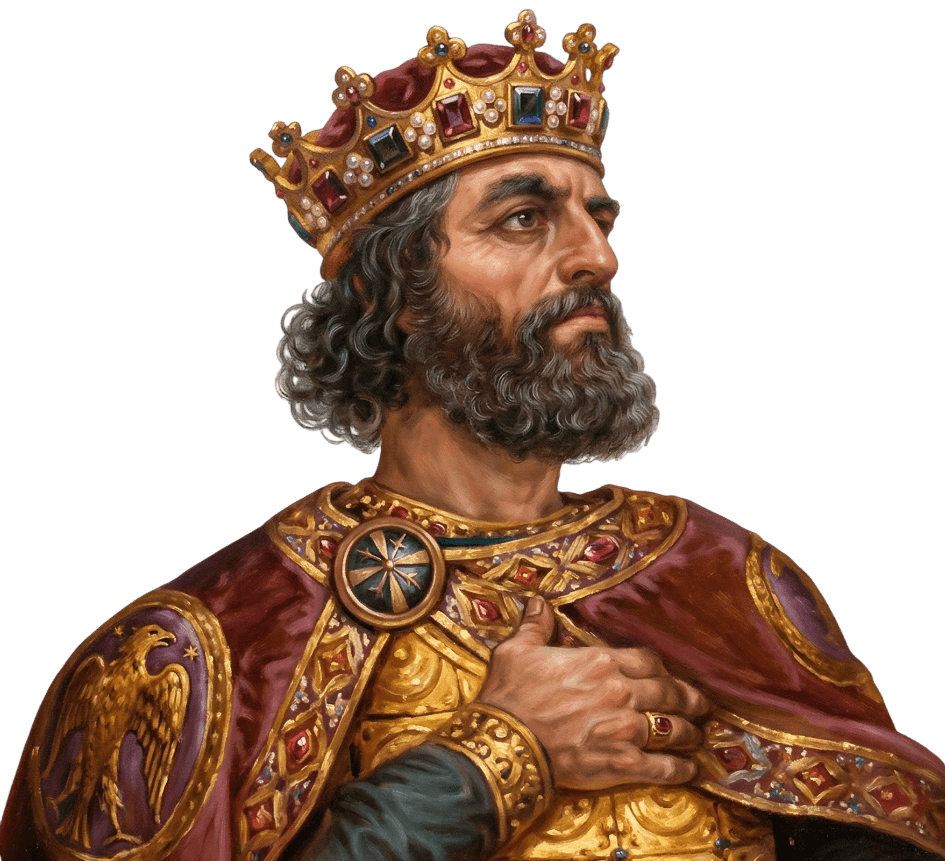
180-191 AD
Vaghars II reigned from 117 to 140 AD as the monarch of the Kingdom of Armina (Greater Armenia) and the son of King Sanatruk. In the summer of 116, he led a successful liberation struggle against Roman occupiers, restoring Armenian independence with the support of the Parthian King Osroes I.
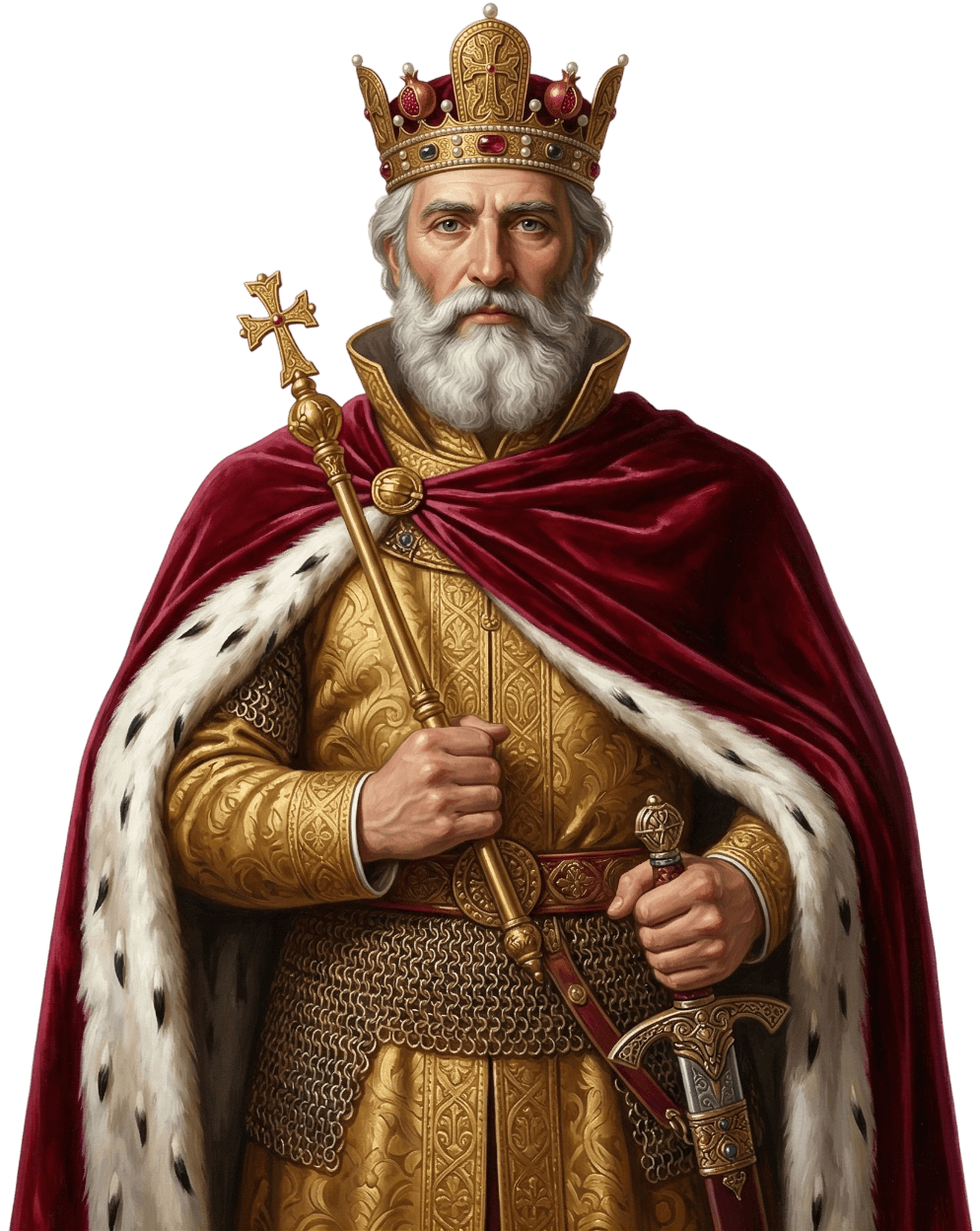
c. 217–252 AD
Tiridates II reigned from 217 to 252 AD as the monarch of Armina (Greater Armenia) and the son of Khosrov I. A prominent member of the Arshakuni dynasty, his path to the throne began as a prince leading a massive Armenian army of 100,000 against the Roman Emperor Caracalla.
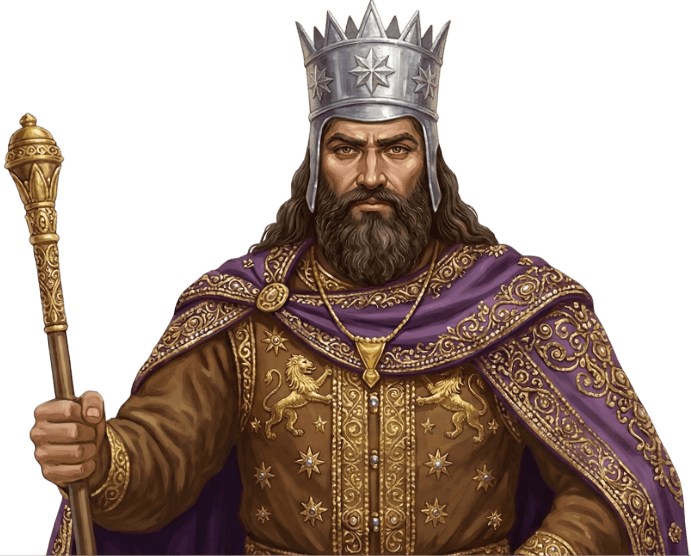
253- 261 AD
Artavasdes V Mandakuni reigned from 253 to 261 AD as the monarch of the Kingdom of Armina (Greater Armenia). He assumed power as a "guardian-king" following the deposition of Khosrov II, who had been perceived as a mere instrument of the Sasanian King Shapur I.
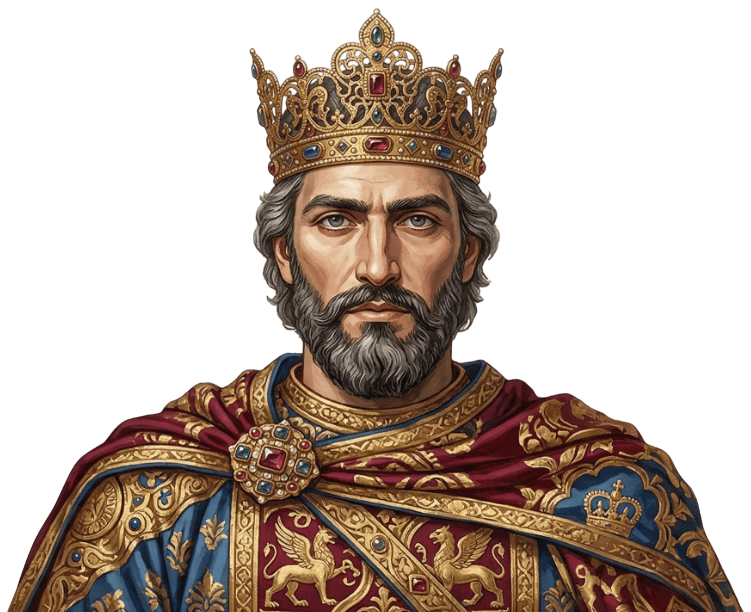
191-217 AD
Khosrov I, celebrated in Armenian tradition as Khosrov the Brave (Khosrov Kadj), reigned from 191 to 217 AD as a prominent monarch of the Arshakuni (Arsacid) dynasty in Armina (Greater Armenia). The son of Vologases II, he ascended the throne when his father became the King of Kings of Parthia, establishing a reign characterized by high diplomatic standing and immense military reorganization. Initially maintaining a policy of strategic neutrality toward Rome, Khosrov I sent gifts to Septimius Severus but was later detained by Emperor Caracalla, an act that triggered a major Armenian uprising.
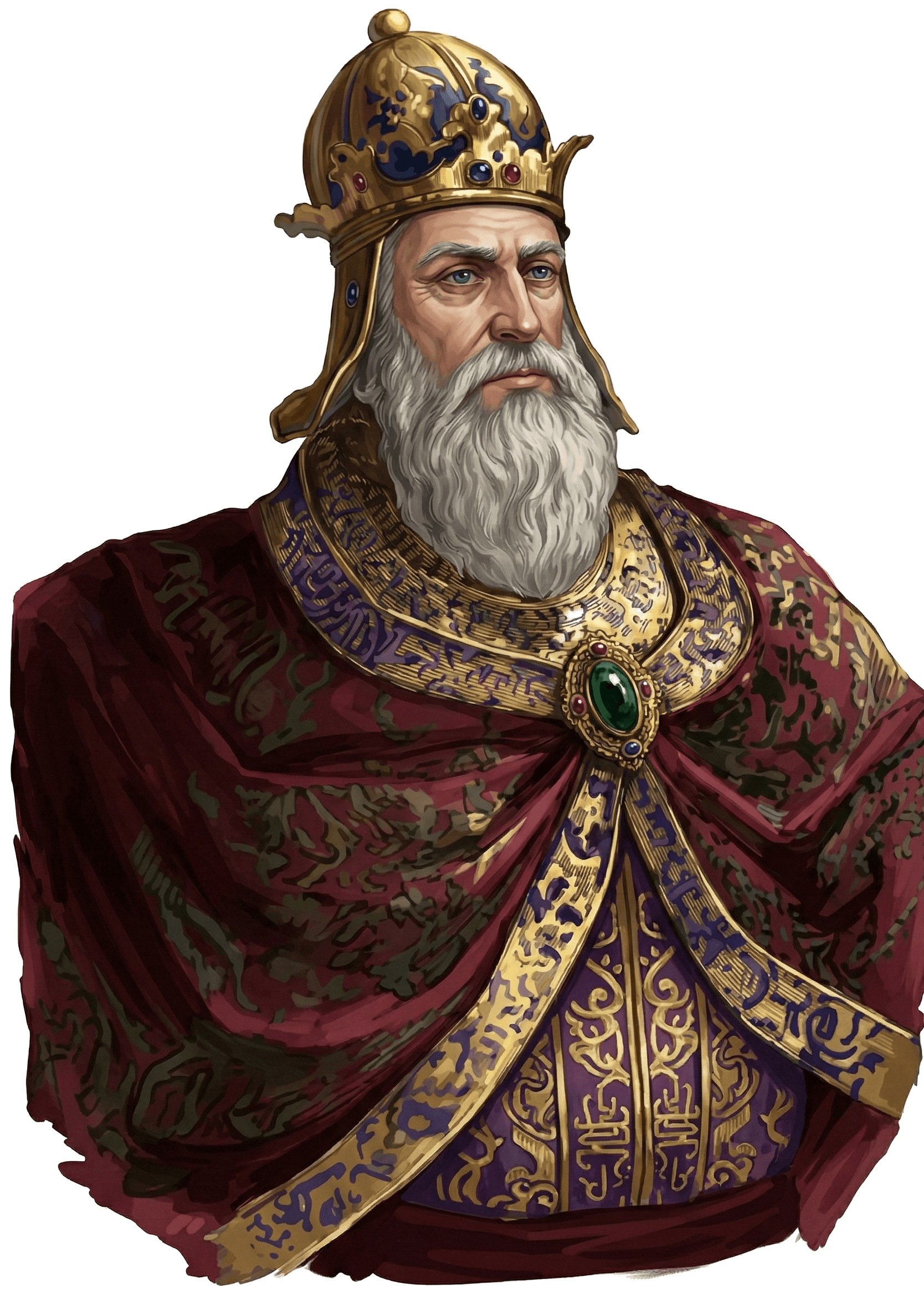
The Great
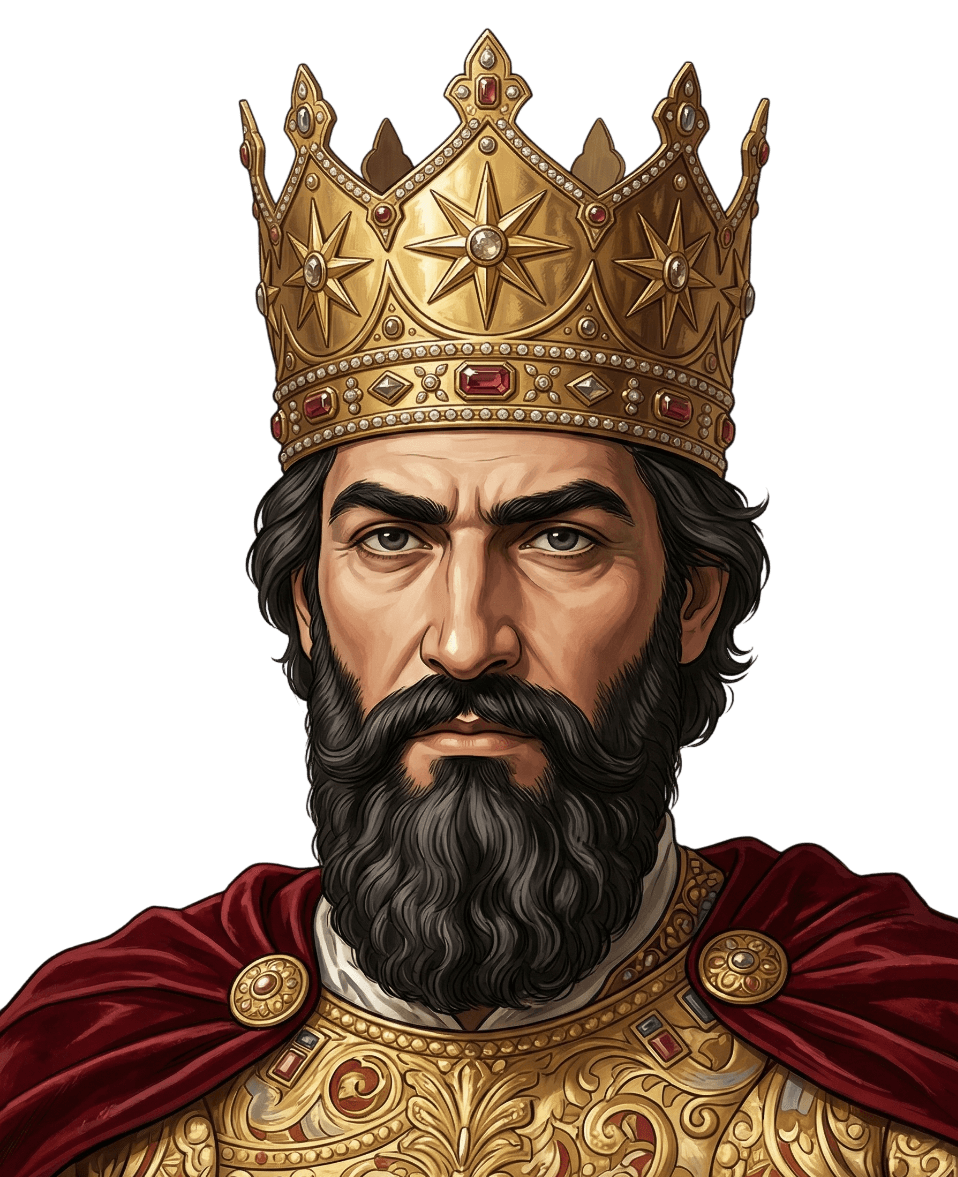
298–330 AD
Tiridates III adopted Christianity as the state religion in 301 AD, making Armenia the first Christian nation in history. A saint of the Armenian Church, he was restored to power by Emperor Diocletian and won 4 of his 5 major wars.
The Small
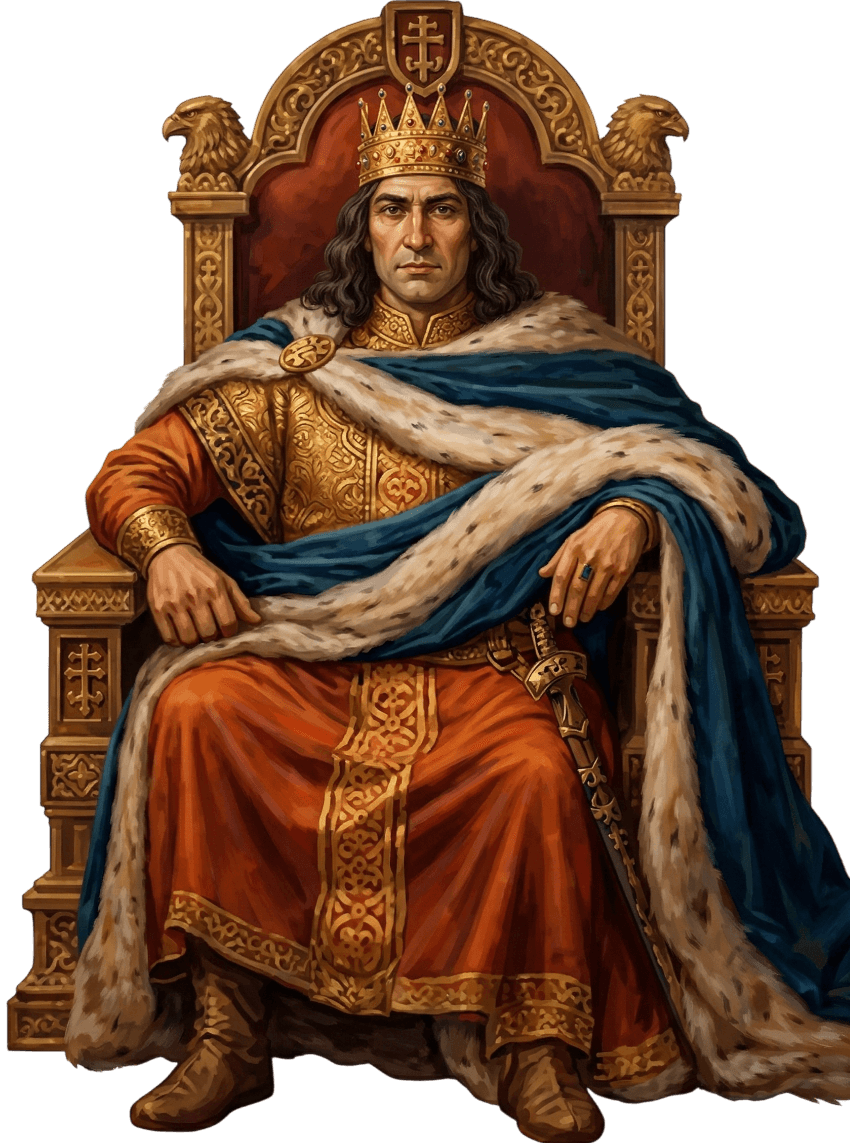
253, 272-287 AD
Khosrov II, historically known as Khosrov the Brave or Khosrov the Great, reigned from 252 to 258 AD as the monarch of the Kingdom of Armina (Greater Armenia). A son of Tiridates II, he earned military distinction early in his life by campaigning alongside his father to successfully repel the Sasanian King Ardashir I.
338–350 AD
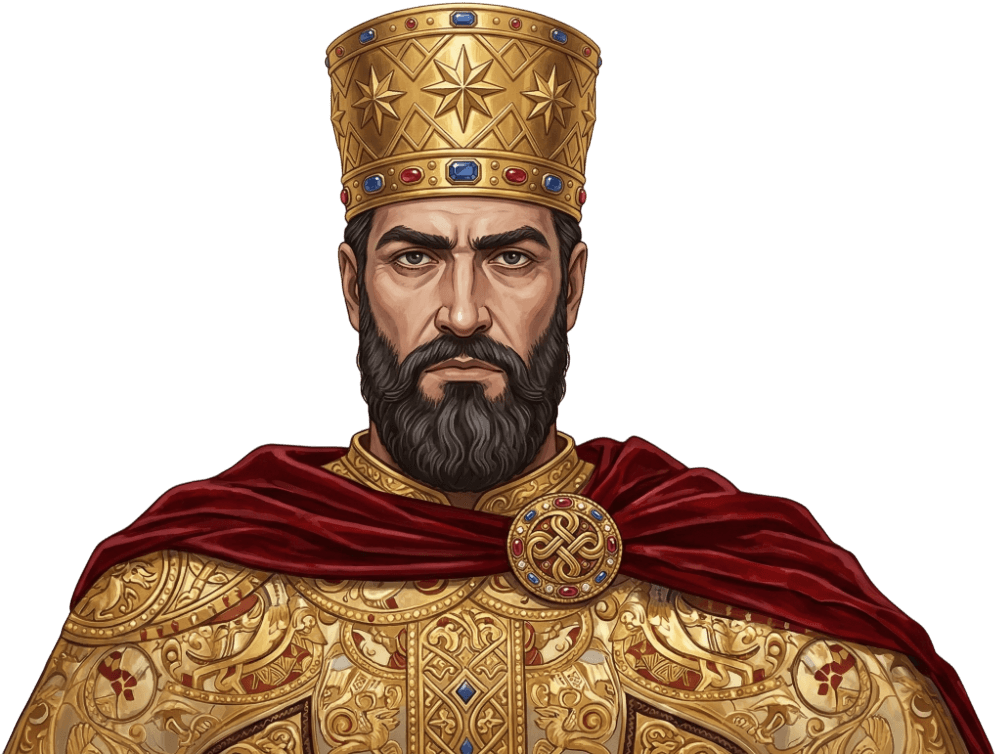
Tiran was captured by Shapur II of Persia and blinded; his tragedy became a symbol of Armenian suffering under Persian domination.
350–368 AD
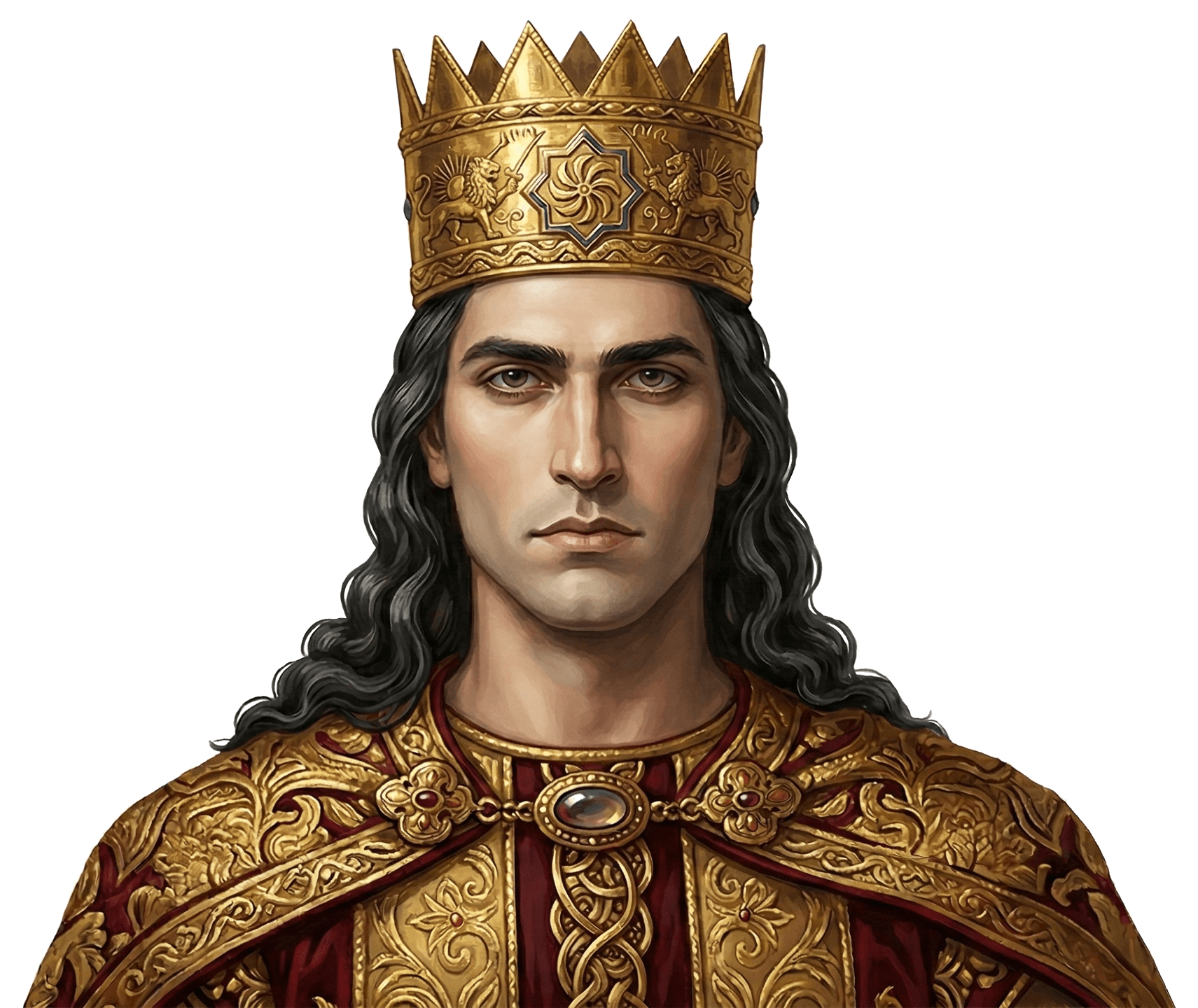
Arshak II reigned from 350 to 368 AD as the monarch of the Kingdom of Armina (Greater Armenia), succeeding his father, Tiran II. His ascension was secured through a joint Armeno-Roman victory at the Battle of Voskha, which forced the Sasanian King Shapur II to release his father from captivity.
370–374 AD
Pap was a great general who won the decisive Battle of Bagavan in 371 AD. He poisoned Patriarch Nerses I and was eventually assassinated by the Romans at a banquet.
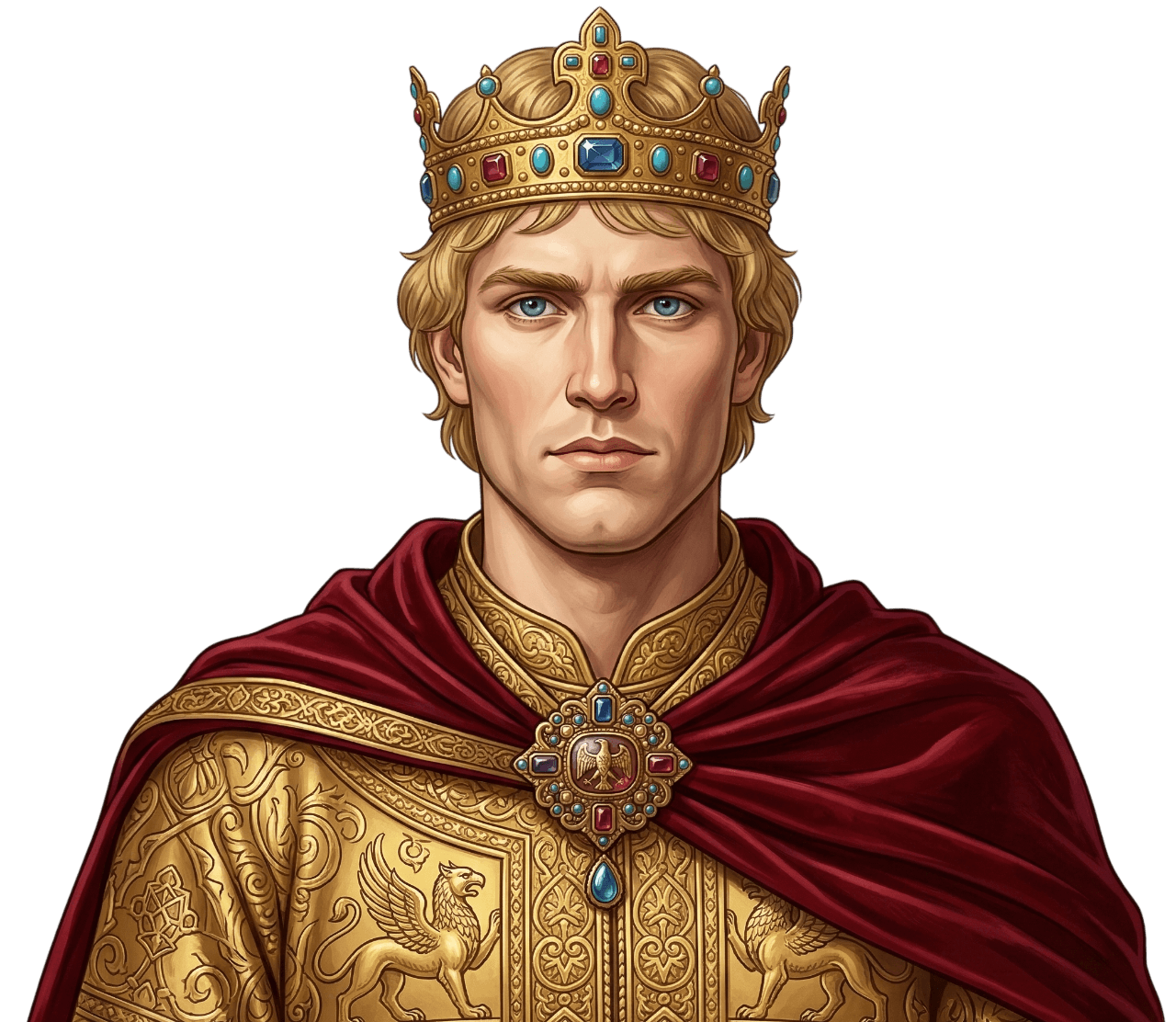
Olympic Champion
374–378 AD
Varazdat was an Ancient Olympic Boxing Champion. He was deposed after a power struggle with the Sparapet Mushegh Mamikonian.
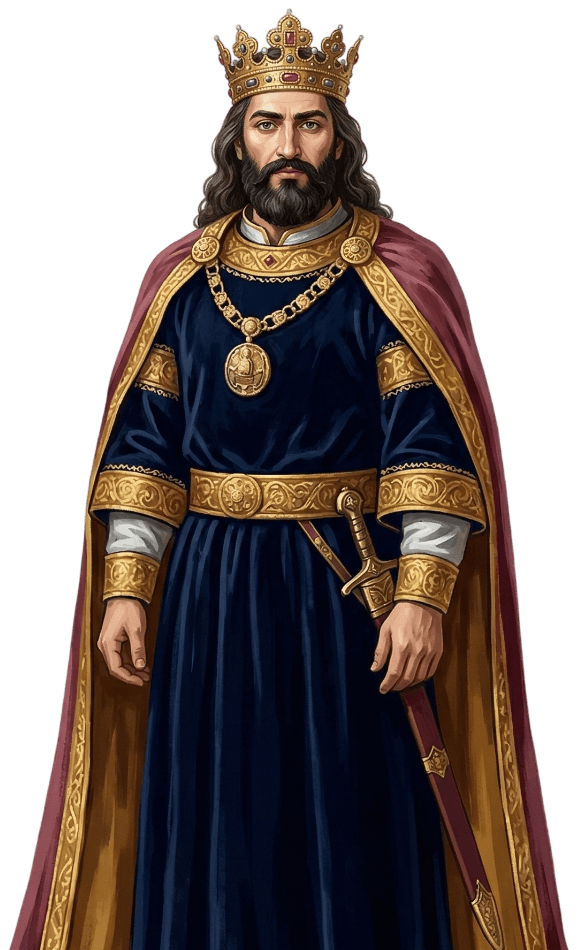
Co-rulers
378–387 AD
Arshak III reigned from 378 to 387 AD as the monarch of the Kingdom of Armina (Greater Armenia) and is recognized as the last serving Roman client king of the highlands. The eldest son of King Pap and Zarmandukht, he was raised to the throne alongside his brother Vologases by the powerful regent Manuel Mamikonian, who had successfully driven the previous king, Varazdat, into exile. His reign was characterized by a period of internal stability under the wise guidance of the Mamikonian government and a continuation of Christian Arianism as a state policy.
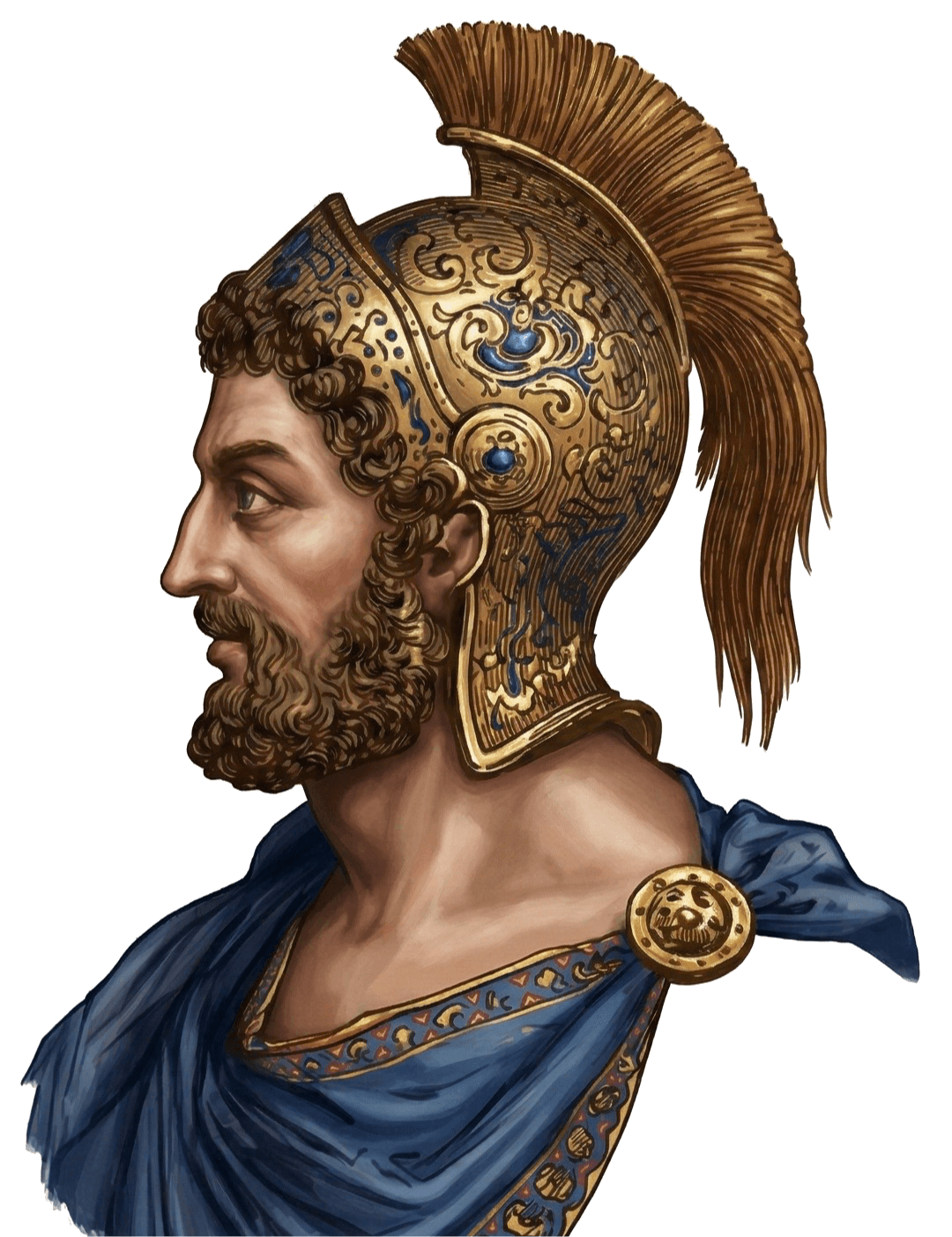
Kotak
330-338 AD
Khosrov III reigned from 330 to 338 AD as the monarch of the Kingdom of Armina (Greater Armenia), succeeding his father, Tiridates III. Despite his short stature—for which he received the epithet "Kotak"—he proved to be a decisive ruler who successfully navigated a period of deep internal chaos and rebellion.
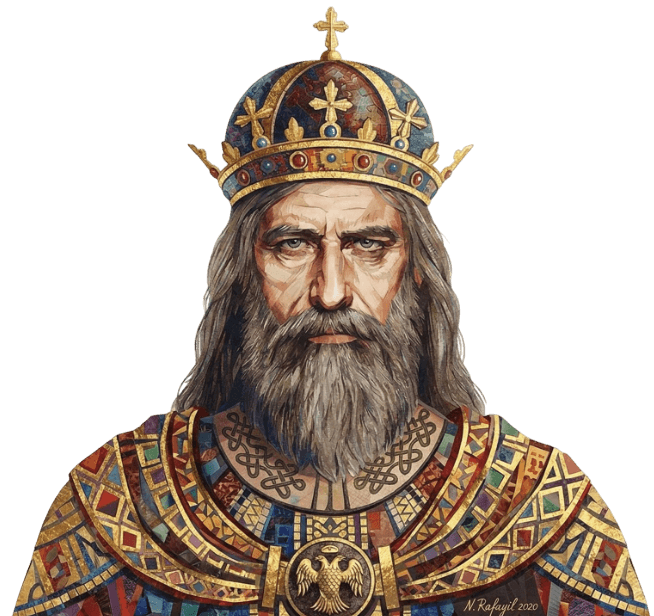
387-389, 415-416
Khosrov IV reigned from 387 to 392 AD and again from 414 to 415 AD as the monarch of the Kingdom of Armina (Greater Armenia). Appointed by the Sasanian King Shapur III and married to the Persian princess Zruandukht, he was the first ruler of the eastern sector following the formal partition of Armenia.
Patron of the Alphabet
389–414 AD
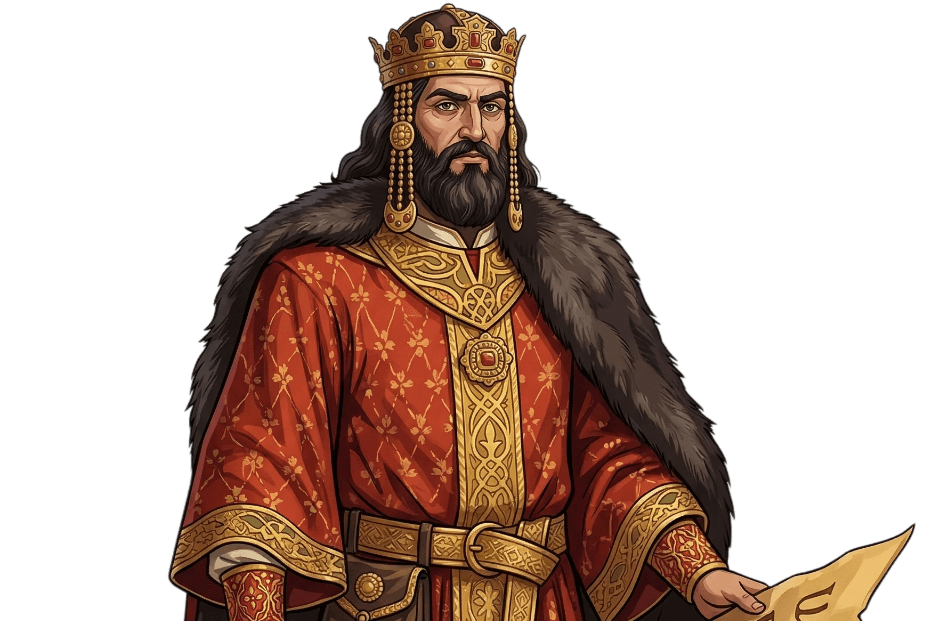
Vramshapuh was the patron of St. Mesrop Mashtots; his reign is the most culturally significant in Armenian history due to the creation of the Armenian Alphabet in 405 AD.
416-420 AD
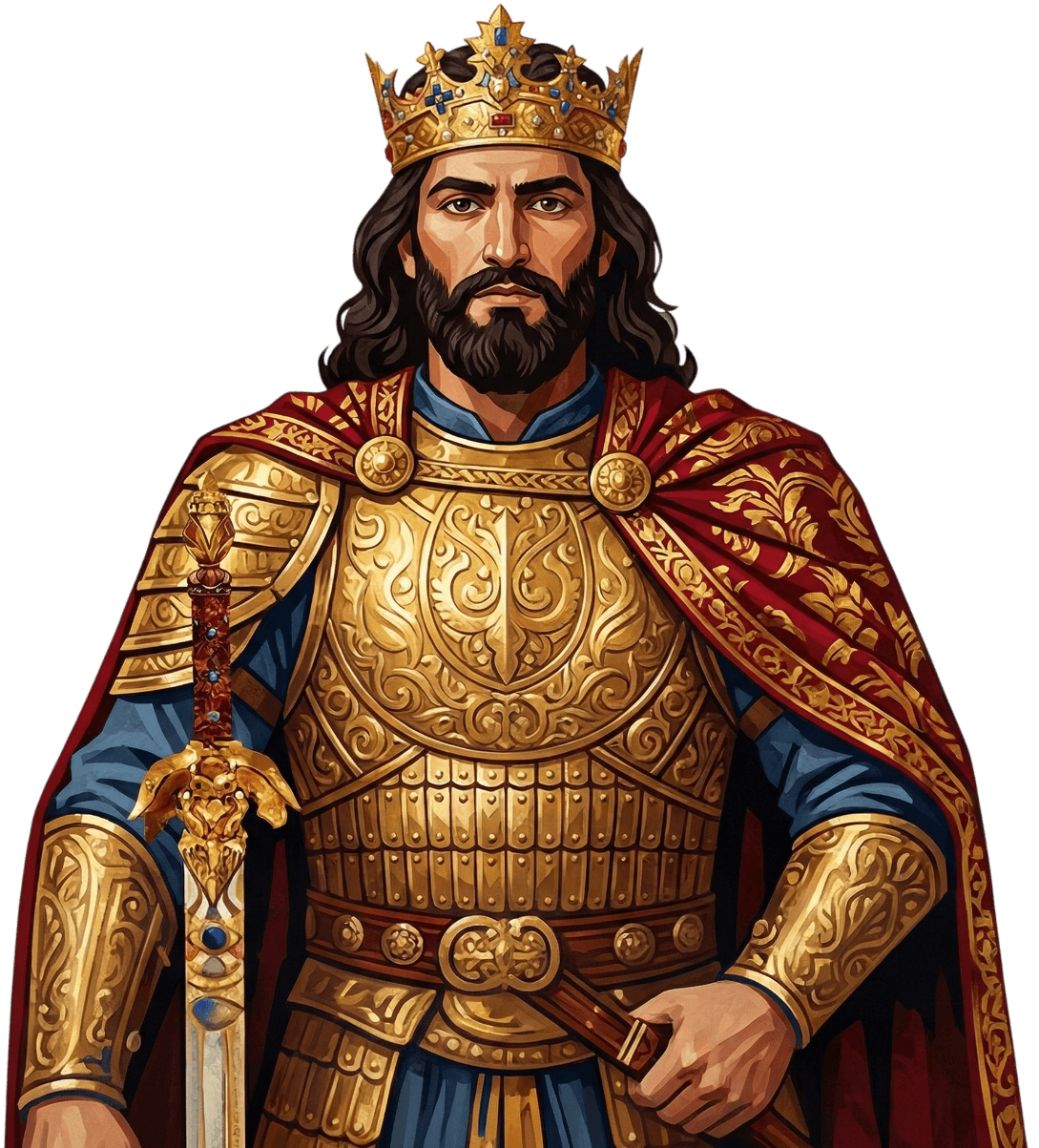
Shapur IV reigned as the king of Sasanian Armenia from 415 to 420 AD and briefly as the monarch of the Sasanian Empire in 420 AD. The son of Yazdegerd I and Shushandukht, he was granted the Armenian crown by his father following the death of Khosrov IV, bypassing the native Arsacid heir, Artaxias IV.
Last Arsacid
422–428 AD
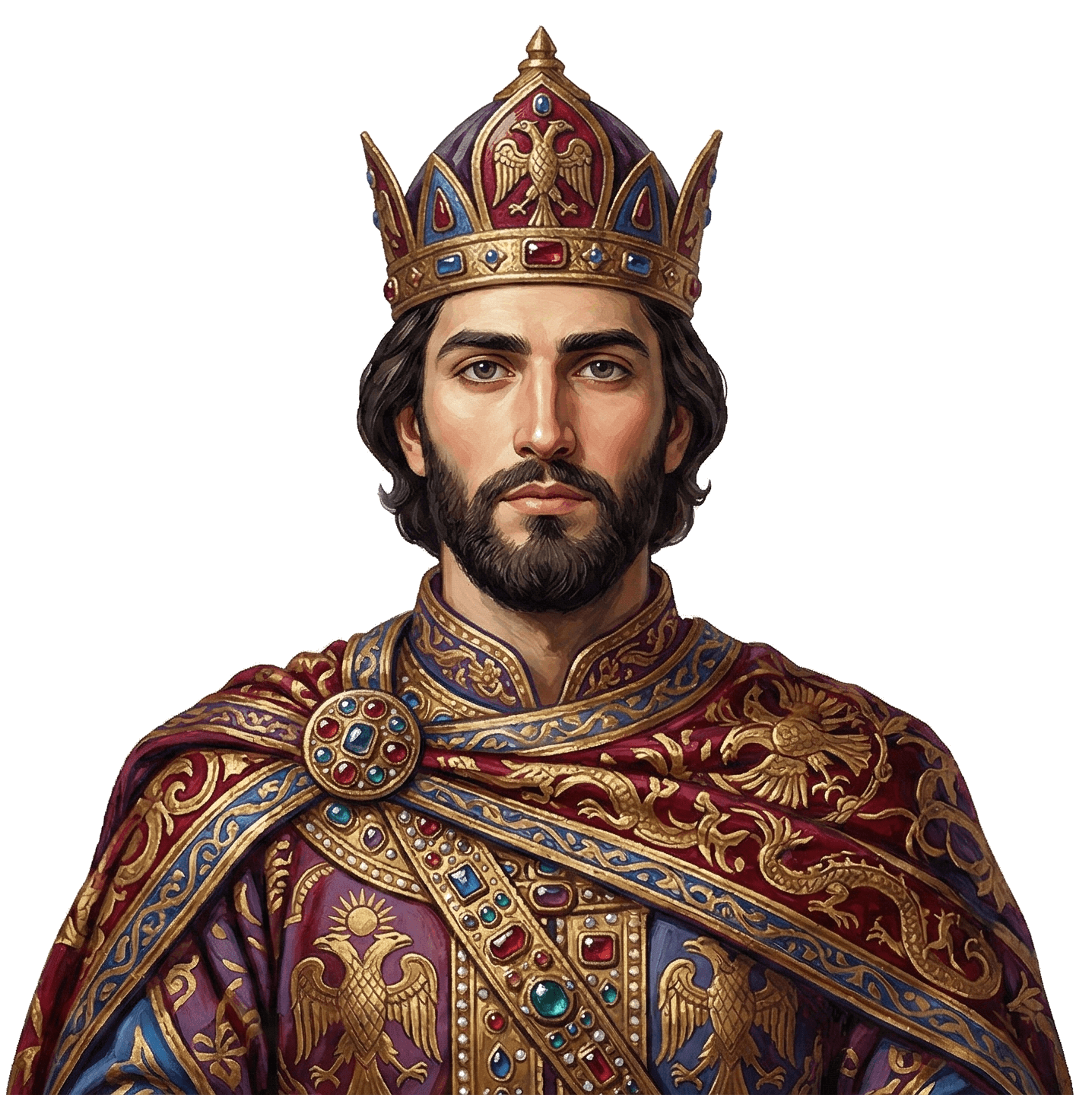
Artaxias IV (Artashes IV) reigned from 422 to 428 AD as the final monarch of the Arshakuni (Arsacid) dynasty in Armina (Greater Armenia). The son of King Vramshapuh, he was appointed to the throne by the Sasanian King Bahram V (Vram V) at the specific request of the Armenian nobility following a period of administrative uncertainty. His reign was defined by intense internal friction with the nakharars (nobles), who perceived the young king as inexperienced and overly inclined to a lavish lifestyle.